
Pharmaceutical Wastewater: Sources, Pollutants And Why It Resists Treatment
Pharmaceutical wastewater is the liquid stream from drug synthesis, fermentation, formulation and plant washing. It is one of the hardest industrial effluents because it mixes three problems - a very high and variable organic load (COD/BOD), residual active pharmaceutical ingredients (APIs) and antibiotics that can inhibit the treatment biology, and often high salinity from process streams. A pharma plant therefore needs a designed, often staged train, not a generic municipal-style plant.
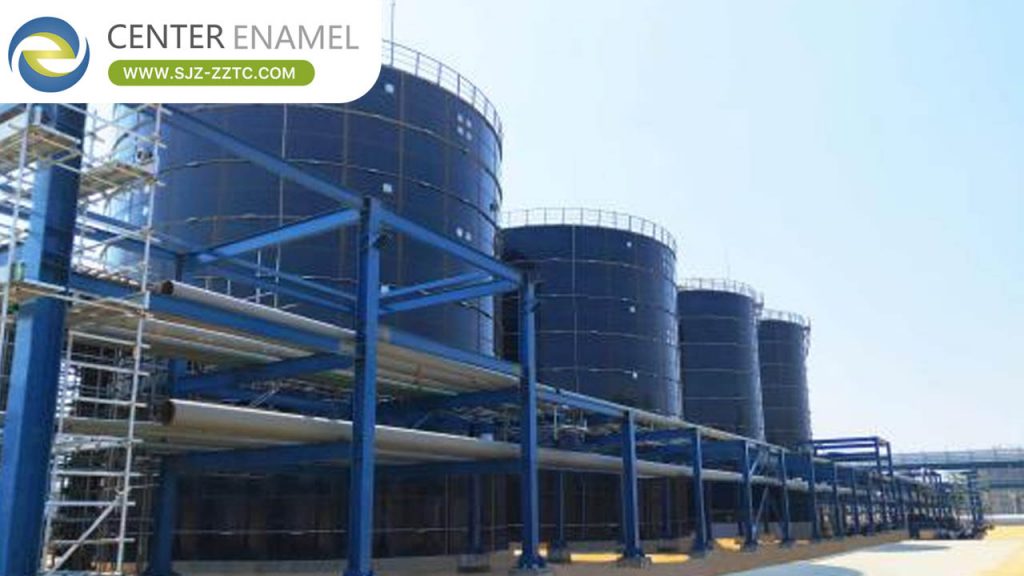
Where Pharmaceutical Wastewater Comes From
A single site usually produces several streams. Synthesis plants generate mother liquors, spent solvents and wash waters with high COD and specific metabolites. Fermentation plants (antibiotics, enzymes, amino acids) discharge high-strength, nitrogen-rich liquor. Formulation and cleaning generate lower-volume but still contaminated wash water. Because the composition swings with the production campaign, the plant must equalize and characterize before any biological step - a point that separates pharma wastewater from steadier municipal flow.
| Source on site | Stream character | Note |
| Synthesis | High COD, specific APIs | Campaign-dependent |
| Fermentation | High strength, high N | Antibiotics, enzymes |
| Formulation / CIP | Lower volume, contaminated | Clean-in-place wash |
| Cooling / boiler | Low organics | Often segregated |
The Pollutants That Matter
The organic load (COD and BOD5) is the largest engineering driver and, where recovered, the biogas source. Total dissolved solids and salinity matter because high salt inhibits anaerobic microbes and stresses osmotic balance. Residual APIs and antibiotics are the defining hazard: at low concentrations they can suppress the very biomass that must degrade them. Suspended solids, ammonia and color complete the list. The ranges below are typical industry guidance for mixed pharma effluent - not measured values from any single named project.
| Pollutant | Typical range (mixed pharma) | Role |
| COD | 10,000-50,000 mg/L | Largest driver + biogas |
| BOD5 | 4,000-20,000 mg/L | Biodegradable fraction |
| TDS / salinity | 5,000-40,000 mg/L | Inhibits biology |
| Residual APIs | Trace to mg/L | Toxic / inhibitory |
| Ammonia-N | 100-1,000 mg/L | Nutrient + inhibitor |
Why Biology Resists It
Three traits stack up. First, the variable and campaign-driven composition means a steady-state design is fragile; equalization and toxicity testing are prerequisites, not options. Second, the residual APIs and high salt can suppress or even wash out the anaerobic and aerobic biomass, so the biology must be protected by pre-treatment and acclimation rather than overloaded. Third, because the same stream can be both high-strength and inhibitory, a single reactor cannot do everything - the train is staged so the easy COD is captured first and the tough fraction is met with a protected, often polishing, step.
Regulatory And Reuse Context
Pharma discharge is usually governed by COD, BOD, ammonia-N, total nitrogen and phosphorus limits, plus substance-specific limits where APIs are regulated. Some jurisdictions also require hazardous-waste or antibiotic-residue tracking. Where discharge is restricted, plants move toward on-site recovery or deep polishing, and the limit a permit sets is the real design target for the train described in the companion articles. A real delivered example exists in the library: a 1,000 m3/day pharmaceutical wastewater facility in Jiangdong, Hangzhou, applying six granular-sludge anaerobic reactors with a published COD removal of at least 70% - the kind of outcome a designed pharma train targets.
About Company
Shijiazhuang Zhengzhong Technology Co., Ltd (Center Enamel) is a comprehensive high-tech enterprise specializing in wastewater engineering, process section contracting, and equipment manufacturing. The company delivers biogas and wastewater projects through three main lines - EPC (turnkey) contracting, equipment supply, and process packages - covering livestock and municipal wastewater, biomass energy, industrial wastewater, and food waste. Its reactor portfolio spans CSTR, USR, UBF, UASB, IC, and EGSB, backed by in-house Glass-Fused-to-Steel tank manufacturing (enamel firing at 820-930 C) and certifications including ISO 9001, NSF/ANSI 61, and CE-EN 1090. With 35+ years of operation, a 150,000 m2 manufacturing base, and projects in 100+ countries, Center Enamel provides the single-responsibility engineering behind industrial and pharmaceutical wastewater projects where the first step in every scope is a correct read of the plant's flow, strength, salinity and inhibitory load - the problem this article frames before any train is selected.
Pharmaceutical wastewater is a high-strength, high-salinity, API-laden stream whose composition swings with the production campaign; it is a designed, staged-treatment problem, and a permit limit - not a catalogue unit - is the target.
Frequently Asked Questions
Q1: What is pharmaceutical wastewater? A1: The liquid from drug synthesis, fermentation, formulation and plant washing - high in COD, salt and residual APIs.
Q2: Why is pharma wastewater so hard to treat? A2: Variable, campaign-driven composition plus salt and residual APIs that inhibit the treatment biology.
Q3: What pollutants dominate pharma effluent? A3: COD/BOD, total dissolved solids, residual APIs and antibiotics, ammonia and color.
Q4: Can pharmaceutical wastewater be treated biologically? A4: Yes, but only after equalization, toxicity testing and often pre-treatment to protect the biomass.
Q5: Does pharma wastewater produce biogas? A5: The high COD fraction can, in an anaerobic step, yield biogas; recovery depends on the train.
Q6: What limits apply to pharma discharge? A6: COD, BOD, ammonia-N, total N/P, and often substance-specific API limits set by the permit.
Q7: Is pharma wastewater the same as municipal sewage? A7: No - far higher and more variable strength and specific inhibitory compounds.
Q8: How should a plant start treating it? A8: Measure flow, COD, salinity and inhibitory load, then set the discharge or reuse target before selecting a train.
Suggested CTA
Send your plant's daily volume, COD, salinity and discharge limit to an engineer, or read the companion articles on configuring and delivering a pharmaceutical wastewater solution.