
Pig Manure to Biogas: The Complete Process and Environmental Benefits
Intensive swine farming generates massive volumes of liquid slurry and solid manure, presenting significant environmental challenges. Left unmanaged, decomposing pig manure releases potent greenhouse gases—primarily methane and nitrous oxide—while causing severe odor issues and potential groundwater contamination from nitrate runoff.
Transforming pig manure to biogas through anaerobic digestion offers a sustainable solution. By capturing fugitive emissions and converting swine waste into renewable energy and high-grade organic fertilizer, modern livestock operations can turn an environmental liability into a profitable circular bioenergy asset.
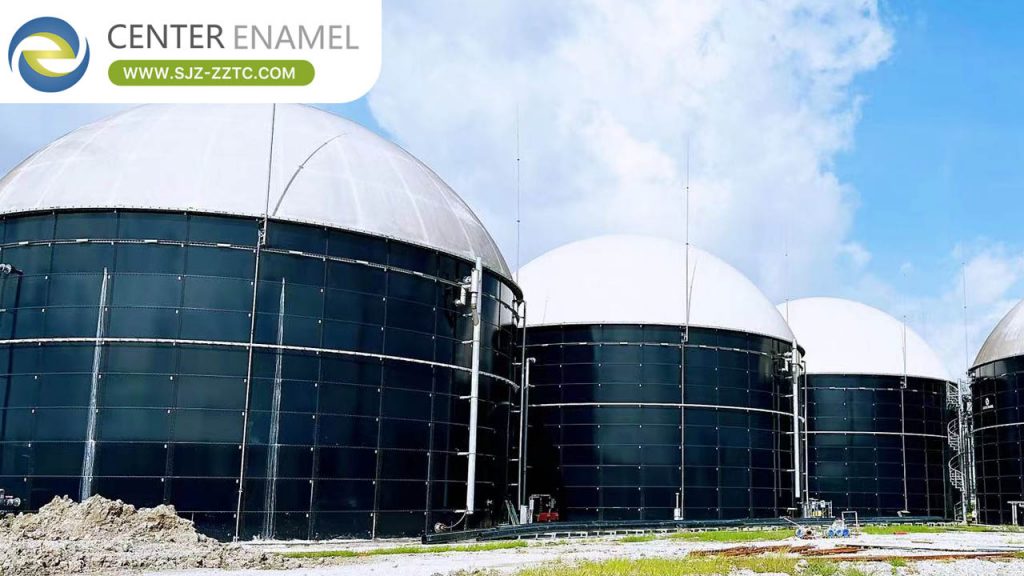
Why Pig Manure is an Effective Substrate for Biogas
Pig slurry is naturally rich in biodegradable organic matter, making it an excellent substrate for biological digestion. However, raw manure possesses unique chemical characteristics that require careful engineering management:
- High Moisture Content: Raw pig slurry typically has a low total solids (TS) content ranging from 4% to 8%, making it highly pumpable and well-suited for Continuous Stirred-Tank Reactors (CSTR).
- Buffering Capacity: Pig manure contains high concentrations of ammonium nitrogen, which provides excellent natural buffering capacity against rapid pH drops and reactor "souring."
- Co-Digestion Advantages: While pure pig manure produces stable biogas, its methane yield is relatively modest compared to energy crops or food waste. Combining pig manure with high-carbon co-substrates (such as grease trap waste, agricultural crop residues, or food processing scraps) significantly boosts overall methane yields.
The Step-by-Step Conversion Process
Converting pig waste into clean energy follows the standard four-stage biochemical sequence of anaerobic digestion, optimized inside enclosed industrial bioreactors:
- Hydrolysis: Hydrolytic bacteria secrete enzymes that break down complex proteins, carbohydrates, and fats present in the manure into soluble monomers (simple sugars and amino acids).
- Acidogenesis: Acid-forming bacteria convert these soluble monomers into volatile fatty acids (VFAs), lactic acid, alcohols, and trace carbon dioxide.
- Acetogenesis: Acetogenic bacteria transform the intermediate VFAs and alcohols into acetic acid (acetate), carbon dioxide, and direct hydrogen (H2).
- Methanogenesis: Strict anaerobic methanogenic archaea consume the acetate and hydrogen, synthesizing high-purity methane (CH4) and carbon dioxide (CO2), which collects in the digester's gasholder roof.
Key Environmental and Economic Benefits
- Significant Odor Reduction: Anaerobic digestion breaks down the volatile organic compounds responsible for the pungent smell of raw pig slurry, drastically improving neighbor relations and air quality around the farm.
- Pathogen and Weed Seed Destruction: Maintaining thermal regimes (such as mesophilic temperatures around 38°C or thermophilic temperatures around 52°C) naturally inactivates harmful pathogens, viruses, and weed seeds present in the manure.
- High-Grade Bio-Fertilizer (Digestate): The residual byproduct retains all original nitrogen, phosphorus, and potassium in a highly bioavailable form, replacing costly carbon-intensive synthetic fertilizers.
- Baseload Energy Generation: Captured biogas can be burned in Combined Heat and Power (CHP) engines to provide 24/7 on-site electricity and heating, or upgraded into biomethane (Renewable Natural Gas) for commercial grid injection.
Comparative Data Table: Pig Manure Biogas Metrics
| Operational Parameter | Typical Pig Manure Baseline | Upgraded Co-Digestion Mix (Manure + Food Waste) |
| Total Solids (TS) | 4% to 8% (Liquid Slurry) | 8% to 12% (Optimized Semi-Solid Slurry) |
| Methane Content (CH4) | 55% to 60% | 65% to 70% |
| Specific Biogas Yield | 20 to 35 m^3 per ton of raw slurry | 50 to 90 m^3 per ton of mixed substrate |
| Ideal Reactor Technology | Complete Mix CSTR / Covered Lagoon | Heated CSTR with Internal Agitation |
| Digestate Nutrient Profile | High available nitrogen and potassium | Enhanced nitrogen, phosphorus, and potassium balance |
Frequently Asked Questions (FAQ)
Q1: Can raw pig manure be put directly into a biogas digester?
A: Yes. Raw pig slurry has a low total solids content (4% to 8%), making it easily pumpable and ideal for wet anaerobic digestion systems like Continuous Stirred-Tank Reactors (CSTR) or covered anaerobic lagoons.
Q2: What is co-digestion, and why is it used with pig manure?
A: Co-digestion involves mixing pig manure with other organic waste streams—such as food scraps or agricultural residues. Because pig manure has a low carbon-to-nitrogen ratio, adding high-energy co-substrates balances the feedstock and significantly increases overall methane production.
Q3: How does anaerobic digestion eliminate the foul odor of pig slurry?
A: Anaerobic digestion breaks down the volatile organic compounds and sulfur compounds that cause the characteristic heavy odor of raw swine manure. As a result, the final liquid digestate is nearly odorless compared to untreated manure.