
Poultry Biogas Plants: Engineering Sustainable Waste-to-Energy Solutions
Intensive poultry farming operations generate millions of tons of organic by-products annually, including chicken manure, spent bedding materials (wood shavings or straw), feathers, and spilled feed. Left unmanaged, these materials present severe environmental hazards, including intense odors, fly infestations, fugitive greenhouse gas emissions, and nitrogen-rich runoff that threatens local water tables.
To counter these pressures, modern agricultural engineering increasingly relies on poultry biogas plants. By harnessing advanced anaerobic digestion (AD), these facilities transform hazardous farm waste into high-value renewable energy and pathogen-reduced organic bio-fertilizers.
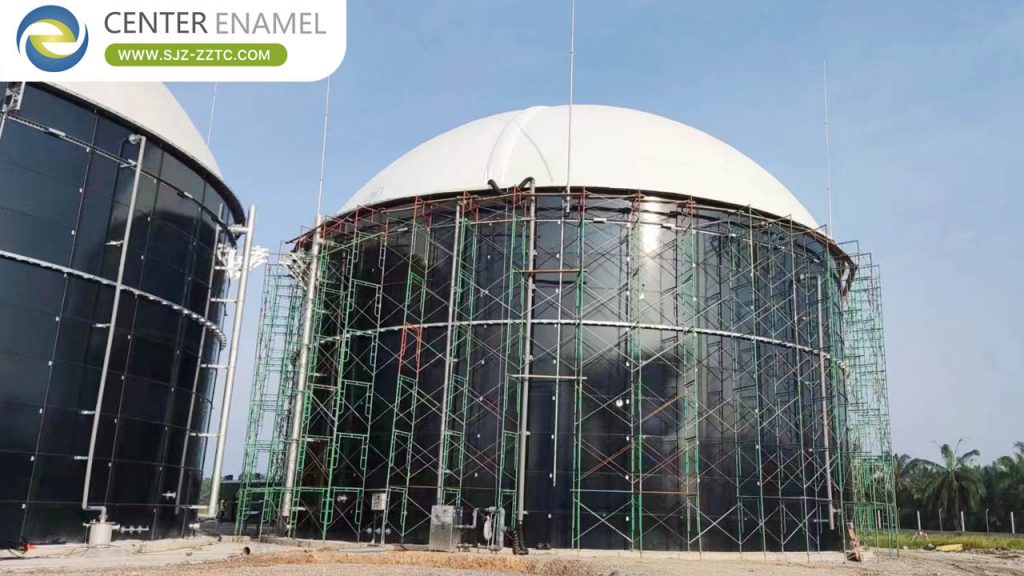
The Biochemical Challenge of Poultry Waste
While chicken manure possesses exceptional energy density and high volatile solids, processing it via anaerobic digestion requires navigating distinct biochemical hurdles:
- Narrow Carbon-to-Nitrogen (C:N) Ratio: Pure poultry manure typically features a low C:N ratio (ranging from 5:1 to 10:1). Rapid decomposition releases high concentrations of total ammonia nitrogen, which can inhibit methanogenic bacteria and stall reactor performance if unmanaged.
- High Fibrous Solids and Bedding: Litter mixed with wood shavings or rice straw introduces tough lignocellulosic structures that require robust mechanical screening, grit removal, and continuous mixing to prevent pipeline blockages.
Engineering Workflow of Modern Poultry Biogas Plants
Successful commercial poultry biogas installations utilize a structured multi-stage processing framework:
- Collection and Pre-Screening: Mechanical ground scrapers or flush systems gather fresh manure daily. The material is screened to remove feathers, grit, sand, and stones that could otherwise cause abrasion or sedimentation in downstream equipment.
- Co-Digestion Blending: To resolve ammonia toxicity risks, operators blend poultry waste with carbon-rich co-substrates—such as agricultural crop residues, maize silage, or food waste—targeting an optimal C:N ratio between 20:1 and 30:1.
- Anaerobic Digestion (CSTR Systems): The homogenized slurry enters heated Continuously Stirred Tank Reactors (CSTR) operating under mesophilic (35°C–38°C) or thermophilic conditions. Microorganisms break down the organics over a 30 to 50-day retention period, generating raw biogas (55%–65% methane).
- Gas Upgrading or CHP Generation: Raw gas undergoes biological or chemical desulfurization to strip out corrosive hydrogen sulfide ($H_2S$). The clean gas is then utilized in Combined Heat and Power (CHP) engines for on-site electricity and thermal heating, or upgraded into compressed biogas (CBG/RNG).
Comparative Data Table: Poultry Biogas Parameters vs. Standard Substrates
| Substrate Parameter | Poultry Litter / Manure | Dairy Cattle Slurry | Municipal Food Waste |
| C:N Ratio | Low (5:1 – 10:1) | Moderate (15:1 – 20:1) | Moderate (14:1 – 18:1) |
| Ammonia Risk | High (Requires carbon blending) | Low (Natural buffer capacity) | Moderate (VFA acidification risk) |
| Methane Potential | High (350 - 450 m3/ton VS) | Moderate (200 - 350 m3/ton VS) | Very High (450 - 600 m3/ton VS) |
| Primary Energy Output | Baseload CHP power / Bio-CNG | Baseload electrical power | High-volume biomethane / RNG |
Frequently Asked Questions (FAQ)
Q1: Why is raw chicken manure difficult to digest on its own?
A: Pure chicken manure contains an excessively low Carbon-to-Nitrogen ratio. During digestion, this excess nitrogen converts rapidly into free ammonia, which poisons methane-producing archaea and causes the biological process to fail unless balanced with carbon-rich co-substrates.
Q2: How do poultry biogas plants utilize waste heat from electricity generation?
A: Waste heat recovered from CHP engine exhaust and cooling jackets is redirected back into the plant. This thermal energy maintains optimal operational temperatures inside the anaerobic digester tanks, maximizing biological efficiency even during cold winter months.
Q3: What happens to the residual material after biogas extraction?
A: The remaining material, known as digestate, is processed into a high-grade organic bio-fertilizer. Rich in stabilized nitrogen, phosphorus, and potassium, it replaces synthetic chemical fertilizers and returns vital nutrients safely back to agricultural crop fields.