
Poultry Farm Pollution Control: Rules, Regulations, and Sustainable Solutions
The global poultry industry plays a vital role in food security, but intensive farming operations generate substantial organic by-products, wastewater, and gaseous emissions. Without strict oversight, unmanaged poultry litter, ammonia volatilization, and untreated runoff can degrade local water bodies, cause severe odor nuisance, and harm surrounding ecosystems.
To counter these risks, environmental regulatory bodies worldwide (such as national pollution control boards and environmental protection agencies) enforce stringent guidelines. Complying with poultry farm pollution control mandates is no longer optional; it is a fundamental requirement for legal operation, community relations, and long-term business sustainability.
Key Regulatory Frameworks and Rules
Modern environmental mandates governing poultry farms (typically applicable to medium-to-large facilities housing 5,000 or more birds) focus on several core compliance areas:
- Consent Mechanisms (Air and Water Acts): Farms must secure Consent to Establish (CTE) and Consent to Operate (CTO) permits, proving that their operations maintain safe distances from residential zones, water bodies, and public infrastructure.
- Nutrient Management and Land Application Limits: Regulations dictate how much poultry manure can be applied to agricultural land based on soil nutrient absorption capacity, preventing excess nitrates and phosphorus from leaching into groundwater.
- Odour and Air Emission Thresholds: Farms are legally required to control airborne pollutants, particularly hydrogen sulfide ($H_2S$) and ammonia ($NH_3$), which cause severe regional air pollution and odor complaints.
Major Pollution Challenges in Poultry Operations
- Ammonia and Greenhouse Gas Volatilization: High-nitrogen poultry manure rapidly breaks down, releasing gaseous ammonia and fugitive methane into the atmosphere.
- Pathogen and Vector Transmission: Uncovered manure attracts flies, rodents, and vectors, increasing the risk of disease transmission to neighboring communities and livestock.
- Leachate and Runoff Contamination: Rainwater percolating through open-air manure stockpiles creates toxic leachate that can pollute local streams and shallow aquifers.
Practical Solutions for Effective Pollution Control
Implementing modern technologies allows poultry producers to turn environmental compliance into an operational advantage:
- Covered Storage and Biofilters: Storing poultry litter in enclosed, roofed structures prevents rainwater infiltration. Installing biofilters or chemical scrubbers on ventilation exhausts neutralizes odorous gases.
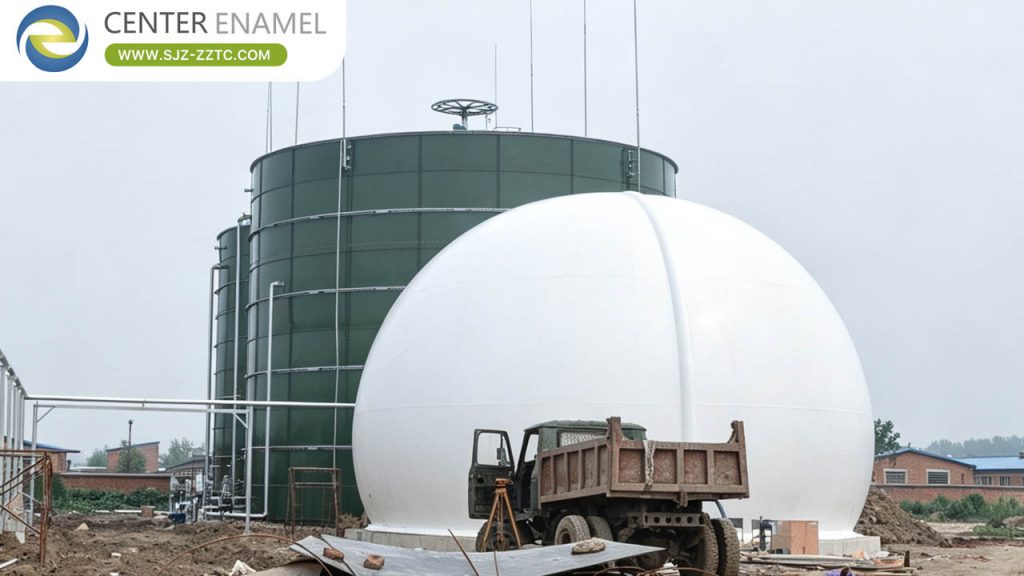
- Anaerobic Digestion & Biogas Recovery: Sealing poultry litter inside anaerobic digesters breaks down pathogens, captures fugitive methane, and converts high-nitrogen waste into renewable energy and pasteurized bio-fertilizers.
- Controlled Composting and Pelletization: Dehydrating and composting manure transforms wet, hazardous waste into stable, odorless, and easily transportable organic fertilizer pellets.
Comparative Data Table: Conventional Practice vs. Regulated Pollution Control
| Environmental Parameter | Unregulated / Conventional Practice | Regulated Sustainable Control Method |
| Manure Storage | Open-air stacking; prone to leachate and runoff | Enclosed, roofed sheds with impermeable concrete flooring |
| Air Quality & Odor | Unfiltered exhaust; heavy ammonia and fly swarms | Biofilters, exhaust scrubbers, and strict vector controls |
| Wastewater Management | Direct discharge or unlined evaporation ponds | Zero liquid discharge (ZLD) or biological effluent treatment |
| Nutrient Disposal | Indiscriminate surface spreading | Soil-test-based agronomic application or pelletization |
Frequently Asked Questions (FAQ)
Q1: What size poultry farms are typically subject to strict pollution control rules?
A: While regulations vary by jurisdiction, environmental protection guidelines generally mandate strict consent mechanisms and waste management protocols for commercial poultry farms housing 5,000 or more birds.
Q2: How can poultry farms effectively control strong ammonia and odor emissions?
A: Farms control odors and emissions by maintaining optimal litter moisture levels, installing automated ventilation with biofilters or chemical scrubbers, and transferring raw manure promptly to covered storage or anaerobic digesters.
Q3: What are the consequences of failing to comply with poultry pollution regulations?
A: Non-compliance can result in heavy financial penalties, legal notices, denial or revocation of operating licenses, and mandatory facility shutdowns by environmental regulatory boards.