
Poultry Farm Waste Management: Best Practices, Technologies, and Sustainable Solutions
Intensive poultry farming operations generate millions of tons of organic waste annually, including manure, bedding materials (wood shavings or straw), spilled feed, and feathers. Unmanaged poultry litter poses severe environmental risks, including fugitive greenhouse gas emissions, intense odors, pathogen transmission, and nutrient runoff that threatens local waterways.
As environmental regulations tighten and consumer demand for sustainable farming practices grows, modern poultry farm waste management has evolved from simple disposal into a sophisticated, circular-economy discipline. Transforming waste liabilities into valuable resources—such as high-grade organic fertilizers and renewable bioenergy—is now essential for operational viability and environmental compliance.
Core Challenges in Poultry Waste Handling
Managing poultry by-products involves navigating distinct chemical and physical hurdles:
- High Nitrogen & Ammonia Volatilization: Chicken manure features an exceptionally narrow Carbon-to-Nitrogen (C:N) ratio, causing rapid conversion into total ammonia nitrogen, which can harm crops if uncomposted and cause toxicity in biological treatment systems.
- Litter Variability: Depending on whether birds are raised in cage systems or floor-raised broiler houses with absorbent bedding (wood hulls or rice straw), moisture levels and bulk densities fluctuate wildly.
- Pathogen & Biosecurity Risks: Raw manure can harbor pathogens like Salmonella and avian viruses, requiring strict thermal or biological sanitization before land application.
Modern Technologies for Poultry Waste Valorization
To achieve zero-waste goals and extract economic value, commercial farms deploy a combination of mechanical, thermal, and biological processing methods:
- Advanced Composting and Aerated Static Piles:
Composting accelerates natural aerobic decomposition by balancing carbon-rich bulking agents with nitrogen-heavy manure. Controlled turning and temperature management destroy weed seeds and pathogens, resulting in a stable, pathogen-free soil amendment. - Thermal Drying and Pelletization:
Using specialized poultry manure dryers, high-moisture waste streams are thermally dehydrated to reduce moisture content by up to 70%. The dried material is then pressed into nutrient-dense organic fertilizer pellets that are easy to store, transport, and commercialize. - Anaerobic Digestion (AD) via Co-Digestion:
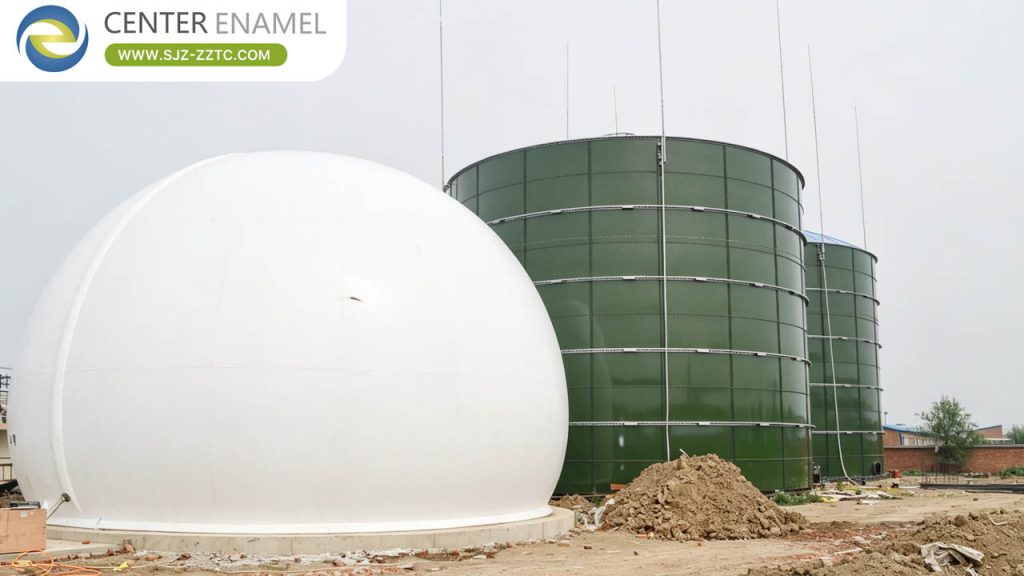
Because pure chicken manure risks ammonia inhibition during anaerobic digestion, modern plants utilize co-digestion—blending poultry litter with carbon-rich substrates like agricultural crop residues or food waste. This stabilizes the C:N ratio, destroys pathogens, and generates renewable biogas for on-site electricity or biomethane injection.
Comparative Data Table: Poultry Waste Management Methods
| Management Method | Primary Operational Focus | Processing Timeline | Principal Output Product | Environmental & Economic Profile |
| Controlled Composting | Pathogen reduction & stabilization | 4 – 8 Weeks | Mature, humus-rich compost | Low energy cost; suppresses odors; improves soil structure |
| Thermal Drying & Pelletization | Moisture reduction & transport logistics | Hours (Continuous) | Nutrient-dense fertilizer pellets | High thermal energy requirement; creates exportable commercial product |
| Anaerobic Co-Digestion | Renewable energy generation & waste reduction | 20 – 40 Days | Biogas (methane) & liquid/solid digestate | High capital investment; generates baseload renewable energy and bio-fertilizer |
Frequently Asked Questions (FAQ)
Q1: Why is raw poultry manure difficult to manage directly?
A: Raw poultry manure has high nitrogen content and rapid decomposition rates, which can burn plant roots, release heavy ammonia odors, and attract insect vectors. Proper composting, drying, or anaerobic digestion is required to stabilize the nutrients safely.
Q2: How does anaerobic co-digestion solve the challenges of poultry manure?
A: Pure poultry manure contains too much nitrogen, leading to ammonia toxicity that stops methane-producing microbes. Co-digesting it with carbon-rich materials (such as straw or food waste) balances the C:N ratio, protects the biological process, and turns waste into green energy.
Q3: What are the main advantages of pelletizing poultry manure?
A: Thermal drying and pelletization significantly reduce the volume and weight of the manure, destroying pathogens and drastically lowering transport costs. This turns bulky farm waste into a clean, marketable commercial fertilizer product.