
Poultry Farm Waste Management System: Complete Guide to Sustainable Operations
The rapid growth of the global poultry industry has driven remarkable advancements in food security, but it has also intensified a major environmental challenge: the sheer volume of organic by-products generated daily. From nitrogen-rich chicken manure and spent bedding litter to hatchery discards and mortalities, improper handling can severely impact local ecosystems, contaminate groundwater via nutrient runoff, and trigger severe odor complaints.
Implementing a robust poultry farm waste management system is no longer just a regulatory checkbox—it is a core operational strategy for long-term farm profitability, environmental stewardship, and biosecurity. This comprehensive guide explores the primary waste streams, advanced treatment technologies, and best practices for sustainable poultry operations.
Understanding Poultry Farm Waste Streams
An efficient management system begins by categorizing and understanding the distinct types of waste produced on-site:
- Poultry Manure: The primary solid waste product consisting of droppings, uric acid, feathers, and spilled feed, packed with high concentrations of nitrogen and phosphorus.
- Poultry Litter: Bedding materials such as wood shavings, sawdust, or rice straw mixed with chicken excrement.
- Mortalities and Carcasses: Deceased birds that require immediate, biosecure disposal to prevent disease transmission and vector attraction.
- Hatchery and Processing Waste: Eggshells, infertile eggs, and wastewater from washing and processing facilities.
Core Waste Management Technologies and Practices
1. Controlled Aerobic Composting
Composting harnesses thermophilic microorganisms to break down heterogeneous poultry litter and organic waste into a stable, humus-rich soil amendment. Proper mixing with carbon-rich bulking agents and moisture control eliminates pathogens, destroys weed seeds, and creates a valuable organic fertilizer.
2. Anaerobic Digestion & Bioenergy Recovery
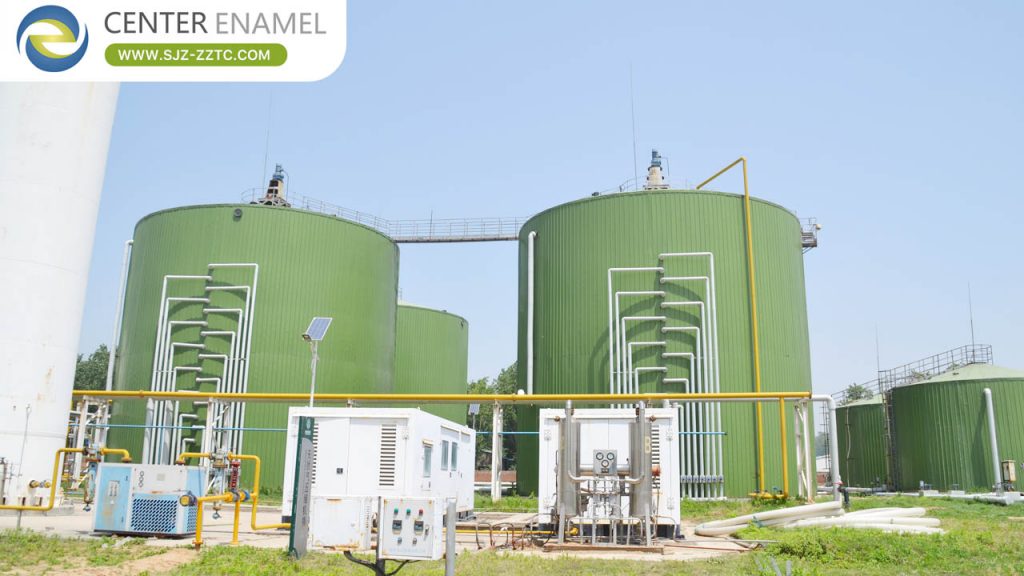
For large-scale operations, sealing poultry waste inside anaerobic digesters converts high-nitrogen manure into renewable biogas (rich in methane) and pasteurized nutrient digestate. This process captures fugitive greenhouse gases and provides on-site electrical and thermal energy.
3. Nutrient Management Planning (NMP)
To prevent soil and water contamination from over-application, modern farms utilize scientific nutrient management plans. By testing soil composition and analyzing litter nutrient loads, farmers apply precise amounts of organic fertilizer that match crop uptake requirements, preventing nitrate leaching into shallow aquifers.
Comparative Data Table: Poultry Waste Management Technologies
| Management Method | Core Processing Mechanism | Primary Output Product | Key Operational Advantage |
| Controlled Composting | Aerobic thermophilic decomposition | Humus-rich organic compost | Low capital cost; destroys pathogens and biosecurity risks. |
| Anaerobic Digestion | Oxygen-free microbial breakdown | Biogas (energy) & nutrient digestate | Generates renewable energy; destroys fugitive methane emissions. |
| Thermal Incineration / Rendering | High-temperature oxidation / processing | Sterile ash or protein meals | Essential for biosecure mortality disposal and disease control. |
| Land Application & NMP | Agronomic soil spreading | Crop nutrient enhancement | Recycles vital nitrogen, phosphorus, and potassium locally. |
Biosecurity and Regulatory Compliance
Effective waste management systems must integrate strict biosecurity measures to safeguard flock health and meet environmental laws:
- Covered Storage Facilities: Storing poultry litter in roofed, impermeable concrete sheds prevents rainwater from washing toxic leachate into local streams.
- Odor and Emission Control: Utilizing vegetative windbreaks, biofilters, and proper ventilation helps control airborne ammonia and hydrogen sulfide levels.
- Traceability and Record Keeping: Maintaining detailed logs of waste transfer, composting timelines, and soil test results ensures full compliance with environmental protection agencies.
Frequently Asked Questions (FAQ)
Q1: Why is raw poultry manure dangerous if applied directly to land without treatment?
A: Raw poultry manure contains high levels of unmanaged uric acid, pathogens, and excessive free ammonia that can burn plant roots, cause severe odors, attract pests, and leach harmful nitrates into groundwater and nearby water bodies.
Q2: How does composting help maintain farm biosecurity during disease outbreaks?
A: Controlled thermophilic composting generates sustained internal heat that inactivates viruses and bacteria (such as avian influenza agents), making it an approved, biosecure method for managing poultry litter and emergency mortalities.
Q3: Can small-scale poultry farms benefit from waste management systems?
A: Yes. While industrial complexes utilize advanced anaerobic digesters and pelletization plants, smaller farms can successfully manage waste through decentralized composting, proper roofed storage, and cooperative agricultural nutrient sharing.