
Poultry Manure Management: Turning a Waste Stream into a Resource
Poultry manure management has become one of the most pressing environmental and operational challenges facing the modern poultry industry. A single broiler house can generate hundreds of tons of litter and manure annually, and when this material is mismanaged, it poses serious risks to air and water quality, contributes to nutrient runoff, and creates nuisance conditions for surrounding communities.
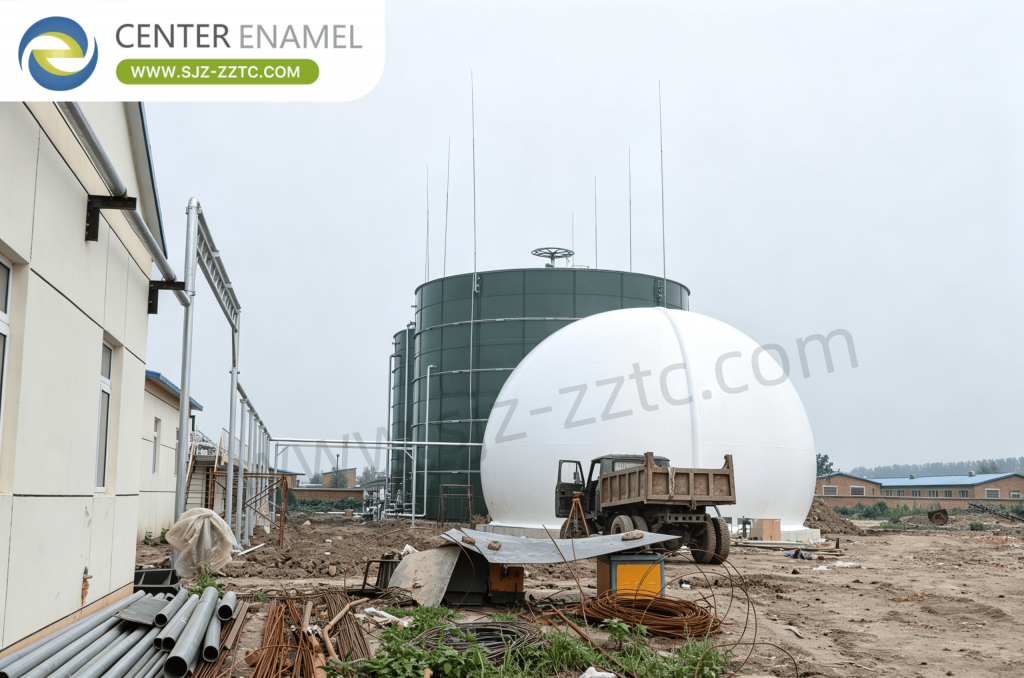
Yet poultry manure is also a valuable resource, rich in nitrogen, phosphorus, and organic matter that can support crop production, generate renewable energy, and improve soil health. The key lies in choosing and implementing the right management strategy for the specific scale, location, and operational context of the farm.
Understanding Poultry Manure and Litter
Poultry manure refers to the fresh excreta produced by birds, while poultry litter typically describes the mixture of manure, bedding material such as wood shavings or straw, feathers, and feed spillage that accumulates on the floor of poultry houses . The distinction matters because the two materials have different characteristics and require different management approaches. Litter generally has a higher carbon-to-nitrogen ratio due to the bedding component, while fresh manure is more nutrient-dense and wetter.
The nutrient content of poultry manure varies considerably based on bird species, diet, bedding type, and the frequency of house cleanout. Litter that has been reused across multiple flocks accumulates nutrients over time, increasing its agronomic value but also raising concerns about phosphorus loading in soils where it is applied repeatedly . This variability makes regular testing essential for anyone using poultry manure as a fertilizer source. Without accurate nutrient analysis, application rates can easily exceed crop requirements, leading to environmental losses rather than agronomic benefits.
Composting: Stabilizing Nutrients and Reducing Pathogens
Composting remains the most widely adopted and economically accessible treatment method for poultry manure, particularly for decentralized farm-level operations . The process relies on aerobic microorganisms to break down organic matter under controlled conditions, generating heat that destroys pathogens and stabilizes nutrients into forms less prone to runoff and volatilization.
Several composting configurations are available, each suited to different operational scales and objectives. Windrow composting, which involves periodically turning piled material to maintain aeration, is cost-effective for medium to large farms and can process poultry litter in thirty to sixty days while achieving high pathogen reduction . In-vessel composting confines the material within a controlled reactor, accelerating decomposition to as little as four to ten days and providing the highest level of pathogen destruction, though at a higher capital cost . Passive composting requires minimal labor and investment but is slow and less reliable for pathogen control. Vermicomposting, which uses earthworms to process organic matter, produces castings rich in plant nutrients and beneficial microbes, making it attractive for organic farming markets .
| Composting Method | Process Duration | Pathogen Reduction | Capital Cost | Best Suited For |
| Windrow | 30–60 days | High | Low | Medium to large farms |
| In-vessel | 4–10 days | Very high | High | Centralized commercial units |
| Passive | 3–6 months | Moderate | Very low | Backyard and small farms |
| Vermicomposting | 45–60 days | High | Low | Organic farming operations |
The composting process also offers an important safety advantage: the high temperatures achieved during active composting can degrade antibiotic residues present in poultry manure. Research has demonstrated that a forty-day composting process can remove up to ninety-nine percent of administered antibiotics, addressing one of the emerging concerns associated with land application of raw manure .
Anaerobic Digestion: Energy Recovery from Poultry Waste
Anaerobic digestion offers a dual-benefit pathway for poultry manure management: renewable energy production and nutrient recovery. In the absence of oxygen, a consortium of bacteria breaks down organic matter through hydrolysis, acidogenesis, acetogenesis, and methanogenesis, producing biogas composed primarily of methane and carbon dioxide along with a nutrient-rich digestate .
Poultry manure presents specific challenges for anaerobic digestion due to its high nitrogen content. Ammonia accumulation, particularly free ammonia, can inhibit methanogenic bacteria and destabilize reactor performance. Research indicates that free ammonia concentrations below 600 milligrams of nitrogen per liter represent a practical threshold for stable operation, though this limit varies with reactor configuration and microbial acclimation . Managing this constraint requires careful control of pH, temperature, and substrate loading rates, or co-digestion with low-nitrogen materials such as crop residues or food waste.
Despite these challenges, anaerobic digestion of poultry manure has demonstrated reliable performance. Biogas typically contains fifty-five to sixty-five percent methane, with yields in the range of 0.25 to 0.35 cubic meters per kilogram of volatile solids . The digestate retains most of the nitrogen, phosphorus, and potassium present in the original feedstock and can be land-applied as an organic soil amendment, subject to local regulations . For clustered poultry operations where manure volumes are concentrated, anaerobic digestion represents the most sustainable technology for simultaneous waste stabilization and energy recovery .
Land Application: Agronomic Value and Environmental Risks
Direct land application of poultry litter remains a common practice, particularly in regions with access to cropland or pasture. Poultry litter supplies essential nutrients including nitrogen, phosphorus, potassium, calcium, and magnesium, along with organic matter that improves soil structure and water-holding capacity. Studies have shown that pelletized poultry litter applied at high rates can significantly increase soil total carbon, total nitrogen, and the availability of potassium, magnesium, and zinc in the short term .
However, the environmental risks associated with land application demand careful management. Phosphorus is the primary concern. Poultry litter contains phosphorus in ratios that typically exceed crop requirements relative to nitrogen, meaning that applications designed to meet nitrogen needs result in phosphorus accumulation in soil over time . This buildup increases the risk of phosphorus runoff into nearby water bodies, where it can contribute to eutrophication and algal blooms. Long-term field studies have documented elevated total and extractable phosphorus in soils subjected to repeated poultry manure applications, along with increased electrical conductivity and phytotoxic effects on seed germination .
Best management practices can substantially reduce these risks. Subsurface banding of poultry litter, rather than surface broadcasting, has been shown to reduce the application rate needed for optimal crop yield by approximately twenty-six percent while maintaining productivity . Buffer strips and fenced riparian buffers have demonstrated significant reductions in phosphorus runoff from pastures fertilized with poultry litter, with reductions of thirty-six and sixty percent, respectively, in long-term watershed studies . Timing applications to match crop nutrient uptake and avoiding applications before predicted rainfall events further minimize loss potential.
Nutrient Management Planning and Regulatory Compliance
Effective poultry manure management requires a systematic approach to nutrient accounting. A nutrient management plan documents the nutrient content of the manure, the nutrient requirements of the crops to be grown, and the application rates and methods that will be used to match the two without exceeding agronomic rates. Regular manure testing is the foundation of this process, as book values are no substitute for site-specific analysis.
Regulatory frameworks governing poultry manure management vary by jurisdiction, but several common themes emerge. In the United States, the Food and Drug Administration’s Produce Safety Rule establishes requirements for biological soil amendments of animal origin, including poultry litter. The rule does not prohibit the use of untreated poultry litter but requires that it be handled and stored in ways that prevent contamination of produce, water sources, and food-contact surfaces . Treated amendments, which have undergone validated composting or other processing to reduce pathogens, face fewer restrictions on application timing relative to harvest.
The regulatory landscape continues to evolve. Concerns about antimicrobial resistance, pathogen transmission, and water quality impairment are driving increased scrutiny of manure management practices. Farmers and integrators should stay informed about local, state, and federal requirements and consider participating in voluntary conservation programs that provide technical and financial assistance for implementing best management practices.
Emerging Technologies and Integrated Approaches
Beyond composting and anaerobic digestion, several emerging technologies offer additional pathways for poultry manure valorization. Pyrolysis, which converts organic matter into biochar, bio-oil, and syngas through heating in the absence of oxygen, produces a stable carbon-rich material that can sequester carbon in soil and immobilize heavy metals . However, the capital intensity of pyrolysis facilities currently limits adoption to centralized operations with access to substantial feedstock volumes and capital investment.
Pelleting of poultry litter or compost improves handling characteristics, reduces volume for transport, and enables more precise application. Research has shown that adding biochar to poultry manure compost before pelleting can improve production efficiency and mechanical durability, with biochar-amended pellets exceeding ninety percent durability and preventing die clogging during the manufacturing process . Pelletized products also offer slower nutrient release compared to fresh litter, potentially improving nutrient retention in soil .
| Treatment Pathway | Primary Products | Key Advantage | Primary Limitation |
| Composting | Stabilized organic fertilizer | Low cost, decentralized feasibility | Nutrient loss during processing |
| Anaerobic digestion | Biogas, nutrient-rich digestate | Renewable energy plus fertilizer | Ammonia inhibition risk |
| Pyrolysis | Biochar, bio-oil, syngas | Carbon sequestration | High capital cost |
| Pelleting | Transportable fertilizer product | Improved handling and application | Requires drying and processing equipment |
Integrated systems that combine multiple approaches often prove most effective. A farm might compost litter from broiler houses for use on nearby pastures, while a regional anaerobic digester processes excess manure from multiple farms to generate electricity for the grid. The appropriate configuration depends on local infrastructure, market demand for products, and the regulatory and economic incentives available.
Conclusion
Poultry manure management sits at the intersection of agricultural productivity and environmental stewardship. The material that accumulates in poultry houses is not simply a waste to be disposed of but a resource containing energy, nutrients, and organic matter that can be recovered and reused. Composting stabilizes nutrients and reduces pathogens, making poultry litter safer for land application. Anaerobic digestion captures energy while producing a fertilizer product. Careful land application, guided by nutrient management planning and supported by best management practices, allows the agronomic value of manure to be realized without compromising water quality.
No single approach fits every operation. Small farms may find passive composting or vermicomposting sufficient, while larger integrated operations may benefit from in-vessel composting or anaerobic digestion. What unites all successful programs is a commitment to matching treatment and application methods to local conditions, testing manure and soil regularly, and staying informed about evolving regulations and technologies. As scrutiny of agricultural nutrient management intensifies, proactive and well-designed poultry manure management will become not only an environmental necessity but also a mark of operational excellence.
Frequently Asked Questions
How long should poultry litter be composted before use?
Windrow composting typically requires thirty to sixty days of active processing, followed by a curing period, to achieve sufficient pathogen reduction and nutrient stabilization. In-vessel systems can complete the process in four to ten days. Passive composting may take three to six months and is less reliable for pathogen control .
Is raw poultry manure safe to apply directly to crops?
Raw poultry manure carries risks including pathogen contamination and excessive phosphorus loading. The FDA does not prohibit its use under the Produce Safety Rule, but requires that it not contact produce during application and be handled to prevent contamination of water sources and food-contact surfaces . For most situations, composting or other treatment is recommended before land application.
What is the biggest environmental concern with poultry manure?
Phosphorus runoff is the most significant water quality concern. Poultry manure contains phosphorus in proportions that exceed typical crop requirements, leading to soil accumulation over time and increased risk of loss to nearby waterways. Subsurface application, buffer strips, and nutrient management planning based on regular soil testing are essential for minimizing this risk .
Ready to design a poultry manure management strategy that works for your operation? Contact our team today to discuss testing, treatment options, and nutrient management planning tailored to your farm’s specific needs.