
Poultry Waste to CBG: Complete Guide to Sustainable Bioenergy Production
Intensive poultry farming operations generate millions of tons of litter, manure, feathers, and organic bedding annually. Traditionally viewed as an environmental burden due to severe odor, fly infestation, and fugitive greenhouse gas emissions, poultry litter is now recognized as a high-potential resource.
Converting poultry waste to CBG (Compressed Biogas / Bio-CNG) bridges advanced anaerobic digestion with high-pressure gas upgrading, transforming a farm liability into a clean, vehicle-grade renewable natural gas (RNG) that directly displaces fossil fuels.
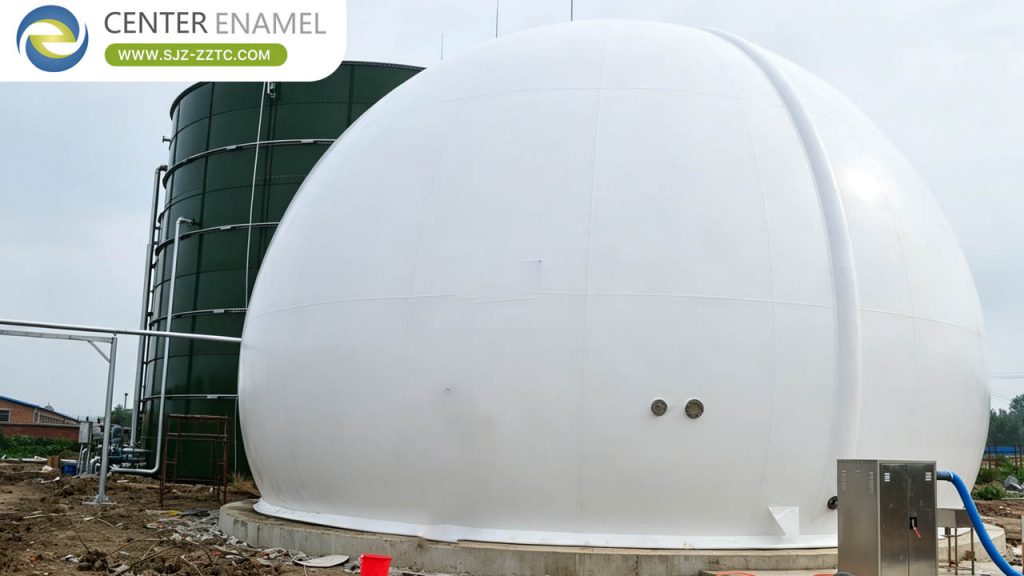
The Nature of Poultry Waste in Bioenergy Production
Processing poultry litter requires navigating specific biochemical challenges:
- Narrow Carbon-to-Nitrogen (C:N) Ratio: Chicken manure typically has a C:N ratio of 5:1 to 10:1. Excessive nitrogen rapidly converts into free ammonia nitrogen (TAN), which can poison methanogenic bacteria and halt digestion if unmanaged.
- High Solids & Fibrous Bedding: Litter mixed with wood shavings or rice straw contains tough fibrous fractions and heavy grit that require robust mechanical screening and continuous mixing.
- Exceptional Methane Potential: Despite operational hurdles, volatile solids in poultry manure yield high volumes of methane, making co-digestion highly profitable.
Step-by-Step Workflow: From Poultry Litter to CBG
Producing pipeline- or vehicle-grade Compressed Biogas from chicken waste follows a strict multi-stage engineering framework:
- Collection and Pre-Screening: Fresh poultry litter is collected from houses, diluted or mixed with water to form a pumpable slurry, and passed through mechanical grit and feather separators.
- Co-Digestion Blending: To counteract high ammonia toxicity, operators blend poultry manure with carbon-rich co-substrates (such as agricultural straw, corn silage, or food waste) to stabilize the C:N ratio between 20:1 and 30:1.
- Anaerobic Digestion: The prepared organic slurry is fed into heated Continuously Stirred Tank Reactors (CSTR). Over a retention period (typically 30 to 45 days), specialized anaerobic bacteria break down complex organics to generate raw biogas (roughly 55% to 65% methane).
- Biogas Upgrading and Purification: Raw gas is desulfurized to remove corrosive hydrogen sulfide and processed through membrane separation or pressure swing adsorption (PSA) units to strip out carbon dioxide and moisture, elevating methane purity to 95%–98%.
- Compression and Cascading: The purified biomethane is compressed to 200–250 bar using multi-stage industrial compressors, ready for tube-trailer transport, vehicle dispensing, or grid injection.
Comparative Data Table: Poultry Waste vs. Standard AD Substrates
| Substrate Parameter | Poultry Litter / Manure | Dairy Cattle Slurry | Municipal Food Waste |
| C:N Ratio | Very Low (5:1 – 10:1) | Moderate (15:1 – 20:1) | Moderate (14:1 – 18:1) |
| Ammonia Toxicity Risk | High (Requires carbon co-substrates) | Low (Natural alkalinity buffer) | Moderate (VFA acidification risk) |
| Methane Yield Potential | High (350 - 450{ m3/ton VS) | Moderate (200 - 350 m3ton VS) | Very High (450 - 600 m3/ton VS}$) |
| Primary End-Use Value | High-purity Bio-CNG / Organic Fertilizer | Baseload CHP power / Digestate | High-volume biomethane / RNG |
Frequently Asked Questions (FAQ)
Q1: Why can't poultry manure be digested alone without co-substrates?
A: Pure poultry manure contains excessive nitrogen, which rapidly converts into free ammonia inside the digester. High ammonia concentrations poison methane-producing microbes and cause process failure. Co-digesting it with carbon-rich materials like crop straw or food waste neutralizes this risk.
Q2: What is the purity level of CBG produced from poultry waste?
A: After passing through advanced upgrading technologies like membrane separation or Pressure Swing Adsorption (PSA), raw biogas is purified until its methane content reaches 95% to 98%, matching the quality of fossil natural gas.
Q3: What happens to the leftover by-products after CBG extraction?
A: The residual digestate is processed into Fermented Organic Manure (FOM). Rich in vital soil nutrients, this pathogen-reduced bio-fertilizer replaces chemical fertilizers in agriculture, closing the circular bioeconomy loop.