
Power Generation with Biogas Projects: CHP Systems and Electricity Output
Power generation with biogas project development remains the most widely deployed biogas utilization route worldwide, and for good reason: a combined heat and power (CHP) unit converts biogas directly into electricity and heat at the point of production, using proven, containerised technology that can be commissioned in weeks rather than years.
The economics, however, reward precision. An undersized engine wastes gas that must be flared; an oversized engine runs inefficiently at part load and shortens its service life. Understanding how much electricity a given biogas flow can produce - and how to capture the heat - is the difference between a generator that prints money and one that burns it.
This guide explains how CHP systems work in biogas projects, how to calculate power output from biogas production, and how to maximise the value of every cubic metre of gas.
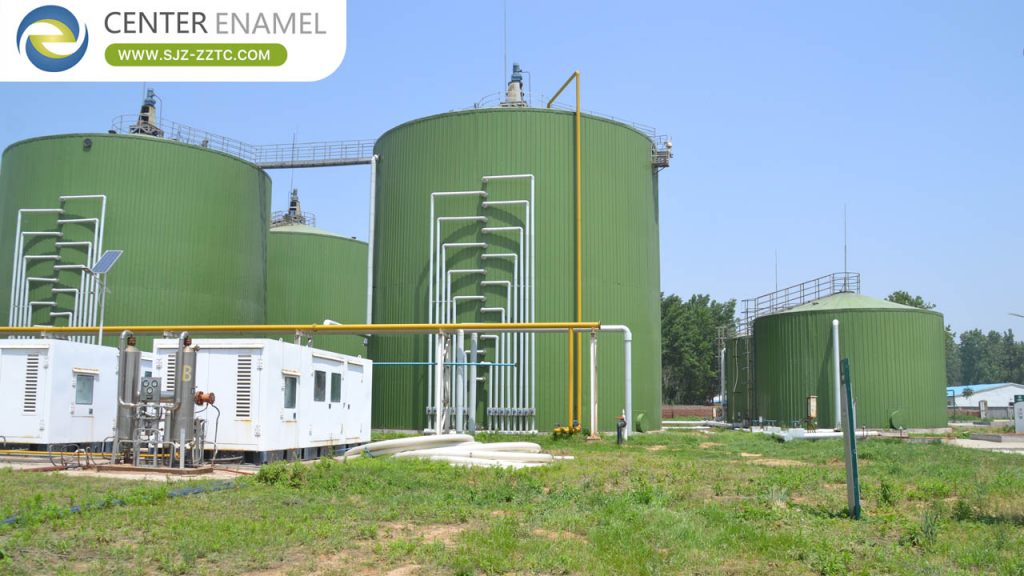
Understanding CHP Systems in Biogas Projects
A combined heat and power unit couples a biogas-fuelled engine with a generator and heat-recovery equipment. The engine burns biogas to drive the generator, producing electricity, while a heat exchanger captures the engine's waste heat for process or district heating. Typical efficiencies split the gas energy into roughly 35-42 percent electricity and 45-55 percent recoverable heat.
CHP is the default choice for projects selling electricity to the grid under feed-in tariffs or power purchase agreements. Its popularity rests on three strengths: high total efficiency (up to 85-90 percent including heat), proven reliability across decades of installations, and the ability to start and stop flexibly in response to grid demand.
- Electrical efficiency: 35-42%, meaning one Nm³ of 60% methane biogas yields roughly 2.1-2.5 kWh of electricity.
- Thermal recovery: 45-55% of gas energy is recovered as hot water at 80-90°C for heating, digesters, or drying.
- Fuel flexibility: engines accept biogas from 50-70% methane with appropriate knock and corrosion protection.
- Grid services: modern CHP units modulate output between 50-100% for peak-price generation.
How to Calculate Electricity Output from Biogas
For project planning, a useful shortcut is: 1 kWₑ of installed CHP capacity requires roughly 0.45-0.55 Nm³/h of biogas at 60 percent methane. Matching the engine to the sustained gas production rate - not the peak - keeps the unit in its efficient operating window.
- Determine biogas production rate: e.g. 200 Nm³/h at 60% CH₄.
- Calculate energy input: 200 × 6.0 kWh = 1,200 kWhᵗₜ per hour.
- Apply electrical efficiency: at 40%, electricity output = 480 kWhₑ per hour (480 kWₑ capacity).
- Calculate heat output: at 50% heat recovery, 600 kWhᵗ of heat per hour.
- Convert to annual figures: 480 kW × 8,000 operating hours = 3.84 GWhₑ per year.
Comparative Data Table: CHP Sizing by Biogas Production
These figures assume 60 percent methane and 8,000 annual operating hours. Actual output depends on gas quality, engine condition, ambient temperature, and maintenance - a well-maintained CHP unit holds its efficiency within 1-2 percent over its 60,000-80,000 hour service life.
| Biogas Production | Recommended CHP Size | Electrical Output (40% eff.) | Heat Output (50% rec.) | Annual Electricity (8,000 h) |
| 100 Nm³/h | 240 kWₑ | 240 kWhₑ/h | 300 kWhᵗ/h | 1.92 GWhₑ |
| 250 Nm³/h | 600 kWₑ | 600 kWhₑ/h | 750 kWhᵗ/h | 4.80 GWhₑ |
| 500 Nm³/h | 1.2 MWₑ | 1,200 kWhₑ/h | 1,500 kWhᵗ/h | 9.60 GWhₑ |
| 1,000 Nm³/h | 2.4 MWₑ | 2,400 kWhₑ/h | 3,000 kWhᵗ/h | 19.2 GWhₑ |
Maximizing the Value of Every Cubic Metre of Gas
Power generation with biogas projects remains the most bankable entry point into biogas, with the clearest regulatory support and the shortest commissioning timeline. When paired with heat utilization and flexible operation, CHP turns organic waste into one of the most dependable revenue streams in the renewable energy sector.
- Put the heat to work: on-site digester heating, greenhouse heating, grain drying, or district heating lift total efficiency from 40% to 85%+.
- Generate at peak prices: flexible operation and biogas storage let the plant generate electricity when tariffs or grid prices are highest.
- Maintain the engine: regular oil, spark-plug, and valve service keeps electrical efficiency from degrading and avoids unscheduled downtime.
- Consider future upgrading: if renewable gas prices rise, the same biogas can later be upgraded to biomethane, so keep site layouts flexible.
Frequently Asked Questions (FAQ)
Q1: How much electricity can a biogas plant generate?
A: One Nm³ of biogas at 60 percent methane generates roughly 2.1-2.5 kWh of electricity in a CHP engine at 35-42 percent efficiency. A plant producing 250 Nm³/h can therefore run a 600 kWₑ generator, generating about 4.8 GWh per year at 8,000 operating hours.
Q2: What is the difference between CHP and simple power generation?
A: Simple power generation captures only electricity, wasting roughly half the energy as discarded heat. CHP (combined heat and power) captures and uses that heat, lifting total system efficiency from 35-42 percent to 85-90 percent. Wherever a heat demand exists, CHP roughly doubles the value of the gas.
Q3: Can a biogas engine run on variable gas quality?
A: Yes, within limits. Modern CHP engines accept methane content from 50 to 70 percent and adjust air-fuel ratio automatically, provided hydrogen sulfide is removed to below 200-500 ppm (depending on the manufacturer) and siloxanes are controlled. Sustained gas-quality variation does reduce efficiency, so gas storage and mixing help stabilise output.