
Professional Biogas Solutions: Indonesia Cow Dung Biogas Projects with UASB Process
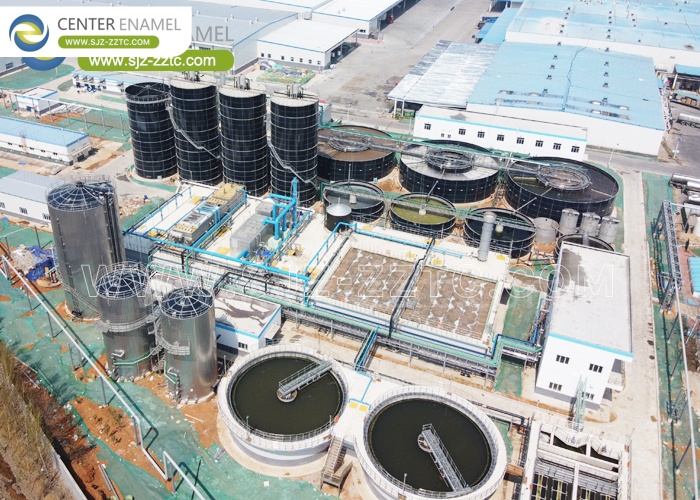
Indonesia boasts a huge livestock industry, with large cattle populations widely distributed across Java, Sumatra, Kalimantan and Sulawesi. Cattle farming is the backbone of rural livelihoods, dairy supply and agricultural development. With numerous small family ranches and large commercial cattle farms expanding rapidly, massive volumes of cow dung are generated every single day.
Most cow dung in Indonesia lacks professional disposal. Random stacking and direct discharge cause severe water eutrophication, river pollution, unpleasant odor and greenhouse gas emissions. As Indonesia accelerates renewable energy development and green economic transformation under its national circular energy roadmap, Cow Dung Biogas Projects and tailored Biogas Solutions have become essential choices to balance environmental protection, waste recycling and energy supply. As a global professional environmental engineering EPC provider, Center Enamel offers full turnkey biogas project services perfectly adapted to Indonesia’s tropical climate, breeding scale and local environmental policies.
Biogas Generation Principle of Cow Dung
Biogas production from cow dung relies on natural anaerobic digestion, where microorganisms decompose organic matter in an oxygen-free environment. Cow dung is rich in cellulose, protein and soluble organic nutrients, making it an ideal raw material for biogas fermentation.
The whole process includes four stable stages:
Hydrolysis stage: Hydrolytic bacteria break down complex fibers and macromolecular organics in cow dung into small-molecule sugars and amino acids.
Acidification stage: Acidogenic microorganisms convert small-molecule substances into volatile fatty acids, hydrogen and carbon dioxide.
Acetogenesis stage: Intermediate products are further transformed into acetic acid, the core precursor of methane formation.
Methanogenesis stage: Methanogenic bacteria produce biogas composed of 55%–70% methane and 30%–45% carbon dioxide.
The produced biogas can be used for farm power generation, heating and rural daily cooking. Fermented biogas slurry and residue are processed into high-quality organic fertilizer, improving farmland soil and reducing chemical fertilizer use. This circular agricultural model matches Indonesia’s goals for green farming and sustainable rural energy development.
Advantages of Cow Dung Biogas Projects for Indonesia Energy Development
Promoting Cow Dung Biogas Projects brings remarkable benefits to Indonesia’s energy transition and sustainable development.
First, boost renewable energy structure. Indonesia is committed to lifting renewable energy proportion, and cow dung biogas serves as stable biomass energy, reducing reliance on fossil fuels and easing rural power shortages.
Second, support carbon reduction and environmental governance. Livestock manure releases large amounts of methane; biogas projects capture and reuse methane efficiently, cutting carbon footprint and eliminating water pollution and odor in rural areas.
Third, lower farm operation costs. On-site biogas supply realizes energy self-sufficiency, cutting electricity and fuel expenses. Organic fertilizer also reduces agricultural input costs and increases additional income for farmers.
Fourth, comply with national green development policies. Indonesia’s circular economy roadmap strongly supports livestock waste recycling; professional Biogas Solutions help farms meet environmental standards and enjoy policy incentives.
Four Main Anaerobic Technologies for Biogas Projects
Center Enamel provides mature anaerobic technologies matching different Indonesia farm scales and cow dung features, with the UASB Process as the core solution.
CSTR Process (Completely Stirred Tank Reactor)
CSTR suits large-scale Indonesian cattle farms with high-solid cow dung. High-torque mechanical stirring fully mixes manure and microbial flora, preventing scum crusting and sediment accumulation. It ensures stable fermentation and consistent biogas output, adapting to Indonesia’s year-round tropical high-temperature climate.
USR Process (Upflow Solids Reactor)
USR features simple structure, low investment and low energy consumption. It relies on upward water flow to retain organic particles without complex stirring systems. Easy operation and minimal maintenance make it the most cost-effective Biogas Solutions for small and medium scattered rural cattle farms.
UASB Process (Upflow Anaerobic Sludge Blanket)
As the core recommended technology, the UASB Process is globally proven and highly reliable. Wastewater flows upward through a dense anaerobic sludge blanket to degrade organic pollutants efficiently. It has high volumetric load, low operating cost and strong anti-blocking performance, perfectly ideal for liquid cow dung wastewater treatment in intensive Indonesian breeding bases.
IC Process (Internal Circulation)
IC is an advanced high-rate anaerobic technology driven by internal biogas circulation. Its treatment load is 3–5 times higher than traditional reactors, occupying less land with high COD removal efficiency. It is the preferred option for large-scale cattle industrial parks and limited-land biogas projects in Indonesia.
Core Equipment Supplied by Center Enamel
Center Enamel supplies full-set supporting equipment for Indonesia Cow Dung Biogas Projects, adapting to local high temperature, heavy rainfall, humidity and coastal saline corrosion.
Glass-Fused-to-Steel (GFS) Tanks
As core anaerobic reactor equipment, GFS tanks are fused at over 820°C, with pH resistance from 1 to 14. They resist acid corrosion, UV aging and seismic impact, fully fitting Indonesia’s tropical environment. Bolted assembly enables fast installation and over 30 years of long service life.
Double Membrane Gas Holders
With excellent airtightness and corrosion resistance, double membrane gas holders safely store biogas and adjust pressure automatically, ensuring stable gas supply for power generation and thermal use.
Fusion Bonded Epoxy (FBE) Tanks
FBE coated tanks are applied in regulating pools and treated water storage tanks, providing cost-effective anti-corrosion protection for auxiliary processing sections.
Multiple Tank Roof Systems
Includes Air Membrane Roof, Enamel Roof, Sun Panel Roof, Aluminum Flat Roof, FRP Roof and Aluminum Dome Roof. Various options adapt to tropical rainfall, high temperature and coastal salt fog, ensuring tank sealing and long-term stable operation.
Agitation, Feeding and Discharging Systems
Supporting stirring, automatic feeding and sludge discharge systems ensure stable material circulation and efficient fermentation, realizing intelligent unmanned operation for Indonesian cattle farms.
Overall Advantages of Center Enamel in Biogas Projects
Strong R&D and Customization Strength: Owns more than 200 patented enamel formulas and independent R&D capabilities; tailors exclusive Biogas Solutions based on Indonesia’s tropical climate and cow dung characteristics.
Leading Manufacturing Capacity: Operates Asia’s largest GFS tank production base, supporting standardized prefabrication and on-time delivery even for remote rural areas in Indonesia.
Strict International Quality Certification: Complies with ISO 28765, AWWA D103-09, NSF/ANSI 61, CE, OSHA and other global standards. Each tank plate passes a 1500V high-voltage spark test to guarantee zero coating defects.
Industry Standard Authority: As the main drafter of China’s GFS tank industrial standard, Center Enamel sets global quality benchmarks for enamel steel tank manufacturing.
Rich Southeast Asian Project Experience: Has abundant project experience in Southeast Asia, familiar with Indonesia’s environmental regulations, climate and construction norms.
One-stop Turnkey EPC Service: Provides full lifecycle services including project design, equipment manufacturing, installation, commissioning and long-term after-sales support.
Center Enamel’s Professional Installation Process
Hydraulic jacking top-down installation: No need for high-altitude scaffolding or large cranes, suitable for narrow rural sites and complex terrain across Indonesia.
Zero on-site welding: All components are factory prefabricated; on-site assembly uses high-strength bolts, avoiding welding failures caused by high temperature, humidity and dust.
Rapid commissioning: Bolted tanks can be put into operation quickly, shortening the construction cycle and accelerating investment return for local farms.
Standardized after-sales service: A dedicated Southeast Asia after-sales team provides regular equipment maintenance, technical guidance and operational optimization.
Two Successful Project Cases of Center Enamel
Indonesia Biogas Project
Tank Application: Palm Oil Wastewater Treatment Plant
Tank Model: Ø19.86 × 8.4 m
Number of Tanks: 3 GFS Tanks
Installation: 7 personnel, 40 days
Installation Date: November 2009
Sweden Biogas Project
Tank Dimensions: φ19.11 × 19.2 m (H) — 1 Unit
Total Volume: 5,510 m³
Completion Date: 2024
Indonesia owns abundant cow dung resources and strong demand for renewable energy and circular agriculture development, making Cow Dung Biogas Projects indispensable for environmental protection and energy independence. With mature UASB Process and other anaerobic technologies, complete high-quality biogas equipment, powerful customization strength, professional installation technology and rich Southeast Asian EPC experience, Center Enamel delivers reliable one-stop Biogas Solutions for Indonesian cattle farms. It helps the country realize harmless cow dung disposal, clean biogas energy utilization and circular agricultural upgrading, supporting Indonesia’s green economy goals and sustainable livestock industry development.