
Pulp and Paper Industry: Efficient Energy Recovery via Anaerobic Digestion of Wastewater
The global pulp and paper sector is currently undergoing a significant transformation. As one of the most water-intensive and energy-demanding industries, the management of industrial effluents has moved beyond simple regulatory compliance to become a cornerstone of corporate sustainability and resource efficiency. Central to this evolution is the treatment of Pulp and Paper Mill Wastewater—a complex stream characterized by high organic loads, variable fiber content, and recalcitrant compounds. By implementing Anaerobic Digestion of Pulp and Paper Mill Wastewater, manufacturers can achieve dual benefits: the efficient removal of organic pollutants and the simultaneous generation of high-value renewable biogas.
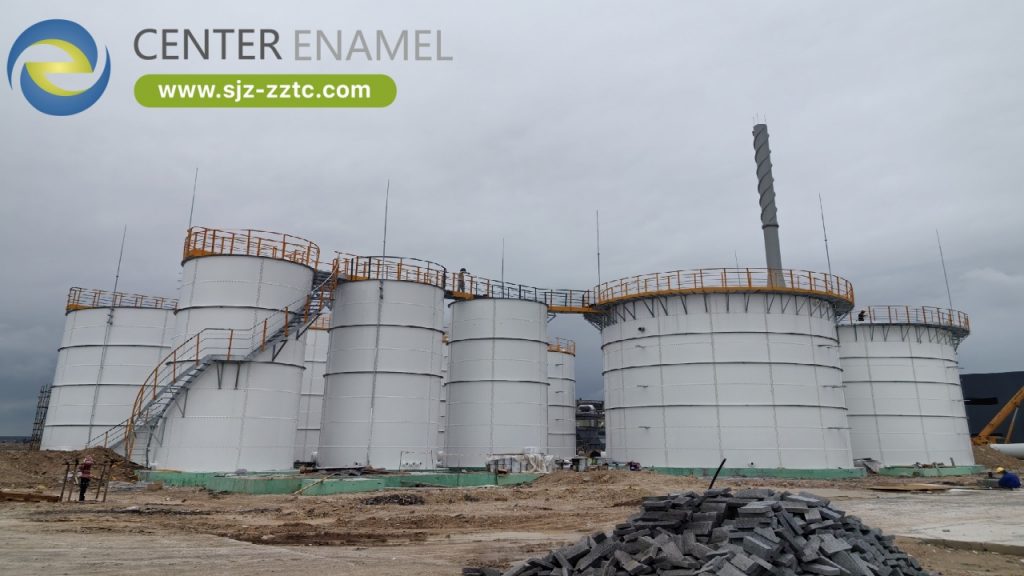
Shijiazhuang Zhengzhong Technology Co., Ltd, operating under the world-renowned brand Center Enamel, stands as a global pioneer in providing the specialized engineering infrastructure necessary for this transition. With over thirty years of innovation and a project footprint extending to more than one hundred countries, we provide the turnkey containment and processing solutions that make high-efficiency biological recovery a reality. Our Glass-Fused-to-Steel (GFS) technology, paired with integrated Double Membrane Roofs and Aluminum Dome Roofs, is specifically engineered to handle the unique chemical profile of paper mill effluents, ensuring long-term operational success and significant energy savings.
The Technical Profile of Pulp and Paper Mill Wastewater
To optimize the Anaerobic Digestion of Pulp and Paper Mill Wastewater, it is essential to understand the specific chemical and physical characteristics of the feedstock. Unlike municipal sewage, paper mill effluents possess unique challenges that require precise engineering.
1. High Chemical Oxygen Demand and Organic Loading
Paper manufacturing processes involve the extraction of cellulose from wood or recycled fibers, leading to a wastewater stream rich in lignin, carbohydrates, and organic acids. This high organic load represents a massive potential for methane production. When managed in a controlled anaerobic reactor, these organic components are metabolized by microorganisms to produce biogas, which can be utilized to generate steam for drying processes or electricity for mill operations.
2. Variable Sulfur and Nutrient Concentrations
The pulping process often involves the use of sulfur-based chemicals. Consequently, Pulp and Paper Mill Wastewater can contain significant concentrations of sulfates. During anaerobic treatment, these sulfates are converted into hydrogen sulfide gas. If not managed through superior containment and gas storage technology, this gas can be highly corrosive to infrastructure. Center Enamel’s solutions utilize inert GFS surfaces and specialized gas-handling systems to mitigate these risks.
Core Technology Focus: The Double Membrane Roof System
In the Anaerobic Digestion of Pulp and Paper Mill Wastewater, the efficient capture and storage of biogas are critical for achieving a positive return on investment. Center Enamel’s Double Membrane Roofs are engineered as a dynamic, integrated gas management solution that stands at the forefront of modern bioenergy technology.
1. Advanced Dual-Layer Architecture
The Double Membrane Roof consists of two high-specification membranes that work in synergy:
The Inner Membrane: This flexible layer serves as the primary seal for the anaerobic environment. It is in direct contact with the biogas, expanding and contracting as the microbial activity produces gas or as the gas is withdrawn for energy use. This "lung-like" movement ensures constant pressure regulation within the reactor.
The Outer Membrane: This layer is continuously pressurized by an automated blower system, creating a rigid aerodynamic dome. This pressurized air buffer protects the inner gas-storage membrane from external environmental impacts, such as wind pressure and precipitation.
2. Specialized Resistance for Industrial Biogas
The biogas derived from Pulp and Paper Mill Wastewater often carries a high concentration of hydrogen sulfide. Our membranes are manufactured from high-tenacity polyester fabrics coated with specialized protective layers. These coatings are specifically engineered to resist chemical degradation from industrial gases and are UV-stabilized to ensure long-term structural integrity in diverse global climates.
3. Integrated Safety and Pressure Control
Our EPC services integrate sophisticated monitoring systems into the Double Membrane Roof. By using pressure sensors and automatic air-regulation valves, the system maintains a stable operating environment. This prevents the "vacuuming" effect that can occur during rapid wastewater discharge and protects the GFS tank from overpressure during peaks in gas production.
Containment and Storage Infrastructure
Center Enamel provides a multi-layered approach to infrastructure, ensuring that every stage of the wastewater treatment process is supported by high-performance hardware.
1. Glass-Fused-to-Steel (GFS) Tanks: The Industrial Standard
Our GFS tanks are the premier choice for the Anaerobic Digestion of Pulp and Paper Mill Wastewater. By fusing high-tech glass enamel to specialized steel at temperatures exceeding eight hundred degrees, we create a material with:
Inert Chemical Protection: The glass interior is completely impervious to the organic acids and corrosive gases generated during digestion.
Rapid Modular Construction: The bolted design allows for significantly faster installation times compared to traditional concrete, which is vital for active industrial mills looking to minimize operational disruption.
Exceptional Longevity: With a service life exceeding thirty years and minimal maintenance requirements, GFS technology provides a lower Total Cost of Ownership (TCO) for paper manufacturers.
2. Aluminum Dome Roofs: Efficient Secondary Containment
For the storage of treated effluent or recovered process water, Center Enamel offers specialized Aluminum Dome Roofs .
Self-Supporting Geodesic Design: These domes require no internal support columns, which prevents the corrosion of structural elements that often occurs in humid industrial environments.
Corrosion Resistance: Constructed from high-strength aluminum alloy, these roofs are naturally resistant to the humid and sometimes alkaline atmosphere of paper mill water storage.
Environmental Protection: The dome provides a permanent seal that prevents rainwater from diluting treated water and contains any residual odors, ensuring the facility remains a good neighbor in its local community.
Sustainability and Economic ROI for the Paper Industry
The transition to Anaerobic Digestion of Pulp and Paper Mill Wastewater is a strategic investment that delivers tangible commercial value.
Energy Recovery: By converting organic waste into biogas, paper mills can significantly reduce their reliance on purchased fossil fuels. The biogas can be burned in existing boilers or used in cogeneration units to provide a steady stream of carbon-neutral energy.
Reduced Sludge Handling Costs: Anaerobic digestion produces significantly less biological sludge compared to aerobic treatment processes. This reduction lowers the costs associated with sludge dewatering, transport, and disposal.
ESG and Carbon Credits: Capturing methane—a powerful greenhouse gas—allows manufacturers to qualify for international carbon credits and aligns the company with global Environmental, Social, and Governance (ESG) standards, which is increasingly required by investors and multinational customers.
Global Project Excellence: Center Enamel in Action
Our expertise in providing containment for complex industrial wastewater is proven through successful installations in diverse regions. These non-fictitious projects highlight our capacity to deliver infrastructure for high-efficiency energy recovery:
Shandong Heze Biogas Project This major regional initiative utilized 3 units of our high-performance GFS tanks. The project successfully transforms concentrated organic residues into a stable energy stream, demonstrating the reliability of our tanks in industrial-scale recovery operations.
Inner Mongolia Hinggan League Bio-Natural Gas Project In a region characterized by extreme temperature fluctuations, this installation integrated 4 units of our bolted steel tanks. These vessels provide the stable environment necessary for the high-efficiency production of bio-natural gas from agricultural and industrial waste streams.
Jiangsu Xuzhou Biogas Project This project involved the deployment of 4 units of our advanced GFS containment technology. It serves as a model for how Center Enamel’s EPC services can be used to rapidly build essential infrastructure for modern industrial wastewater management and anaerobic digestion.
Leading the Industrial Energy Transition
The implementation of advanced Anaerobic Digestion of Pulp and Paper Mill Wastewater represents a transformative step toward a more sustainable and profitable paper industry. By converting an industrial byproduct into a renewable energy asset, manufacturers can protect their local environment while securing their energy future.
At Shijiazhuang Zhengzhong Technology Co., Ltd (Center Enamel), we are dedicated to providing the innovation and engineering excellence that make these projects a success. From our premier GFS tanks to our specialized Double Membrane Roofs and Aluminum Dome Roofs, we offer a total containment solution designed for the future of industrial sustainability.