
Renewable Natural Gas with Biogas Projects: A Complete Guide to RNG Production
As global energy systems accelerate toward decarbonization, demand for renewable natural gas with biogas project developments has never been stronger. Governments in North America, the European Union, and Asia are expanding renewable fuel mandates, carbon pricing mechanisms, and grid-injection incentives that make biogas-to-RNG pathways financially attractive for waste managers, farmers, and energy investors alike.
Yet most organic waste facilities still flare their biogas or burn it in low-efficiency engines for on-site electricity. This leaves 60 to 70 percent of the energy value untapped, foregoes premium renewable fuel credits, and misses the opportunity to replace fossil natural gas with a drop-in, infrastructure-ready fuel.
Upgrading raw biogas into pipeline-quality biomethane and injecting it into the existing gas network turns a waste facility into a genuine energy producer. This comprehensive guide explores how a renewable natural gas with biogas project works, which upgrading technologies deliver the best returns, and how to structure the project for maximum commercial value.
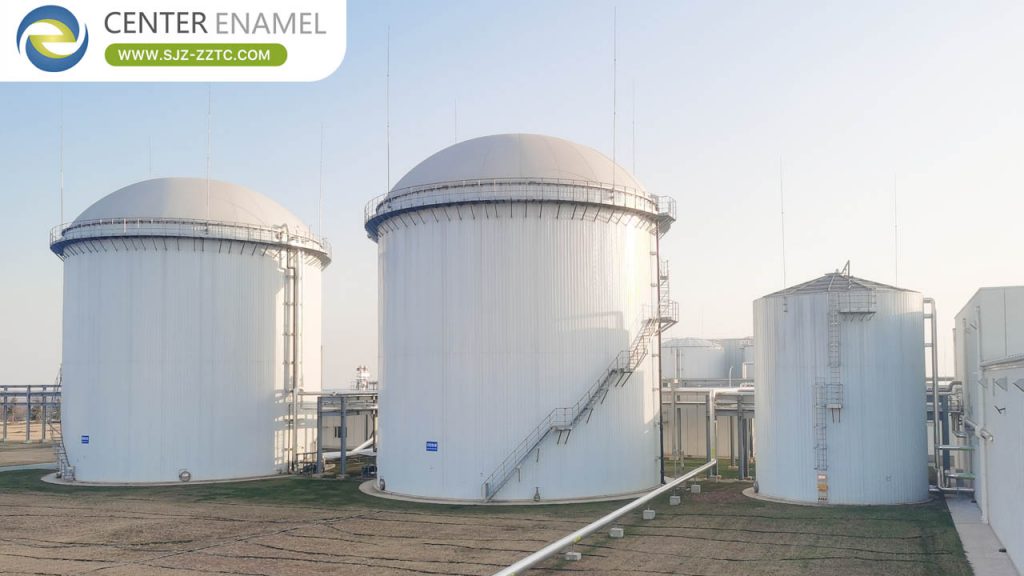
Understanding Renewable Natural Gas and Its Role in Biogas Projects
Renewable natural gas, also called biomethane, is biogas that has been cleaned and upgraded to meet the same quality specifications as fossil natural gas. Because it is chemically nearly pure methane, RNG can be transported through existing pipelines, stored in the same infrastructure, and used in vehicles, industrial boilers, and power plants without any equipment modification.
The defining advantage of RNG is its carbon intensity. Capturing methane that would otherwise escape from manure lagoons or landfills and converting it into fuel can achieve a carbon intensity reduction of 80 to 130 percent compared with fossil natural gas, depending on the feedstock and project design. This negative or near-negative carbon profile is what makes RNG one of the most valuable environmental commodities in the renewable fuel market.
- Drop-in compatibility: RNG uses the existing gas grid, so no new distribution infrastructure is required.
- Multiple end uses: transportation fuel, industrial heat, power generation, and residential heating.
- Premium revenue: renewable fuel credits, carbon offsets, and green gas certificates stack on top of gas sales.
The Upgrading Pathway: From Raw Biogas to Pipeline-Grade RNG
Raw biogas from anaerobic digestion typically contains 50 to 70 percent methane, 30 to 45 percent carbon dioxide, and trace hydrogen sulfide, water vapor, and siloxanes. To qualify as pipeline-grade RNG, the methane concentration must reach 95 to 98 percent with impurities removed to meet grid specifications.
- Pre-treatment and desulfurization: hydrogen sulfide is removed biologically or chemically to protect downstream equipment.
- Carbon dioxide removal: the core upgrading step, using pressure swing adsorption (PSA), membrane separation, water scrubbing, or cryogenic distillation.
- Drying and polishing: residual water vapor and trace contaminants are stripped to pipeline dew-point requirements.
- Compression and injection: the purified biomethane is compressed to grid pressure, odorized, and metered into the distribution network.
Comparative Data Table: Biogas Upgrading Technologies
Selection depends on biogas flow rate, grid access, available utilities, and capital budget. A renewable natural gas with biogas project that combines the right upgrading technology with reliable feedstock supply typically reaches full payback within four to seven years.
| Technology | Methane Purity | Methane Recovery | Energy Demand (kWh/Nm³) | Best Fit |
| Pressure Swing Adsorption (PSA) | 96-98% | 96-98% | 0.25-0.30 | Small to medium projects with stable gas flow |
| Membrane Separation | 95-98% | 95-97% | 0.20-0.30 | Compact sites, modular expansion |
| Water Scrubbing | 96-98% | 96-99% | 0.25-0.45 | Low-cost operation, high impurity tolerance |
| Cryogenic Distillation | 98%+ | 99%+ | 0.50-1.00 | Large projects producing liquefied biomethane (LBM) |
Project Economics and Revenue Streams for RNG
The most bankable projects secure feedstock contracts, an offtake agreement, and grid interconnection approval before construction begins. With policy support in most major markets, RNG is now the highest-value utilization route for biogas projects that have access to a gas network.
- Renewable fuel credits: under programs such as the US RFS (RINs) and EU RED II (certificates), RNG earns tradable compliance credits that often exceed the gas sales value.
- Carbon credits: verified methane destruction and soil health benefits can generate additional carbon offset revenue.
- Gas sales premium: RNG is sold at a premium over fossil gas under long-term offtake agreements.
- Digestate revenue: the co-product of digestion is sold as organic fertilizer, further improving unit economics.
Frequently Asked Questions (FAQ)
Q1: What is the difference between renewable natural gas and fossil natural gas?
A: They are chemically almost identical methane, which is why RNG can be injected into existing pipelines and used in the same equipment. The difference is origin and carbon intensity: RNG is produced from organic waste through anaerobic digestion and upgrading, so its lifecycle emissions are dramatically lower and it qualifies for renewable fuel credits.
Q2: Can any biogas project be upgraded to RNG?
A: Technically yes, but economically it depends on three factors: biogas volume (typically at least 100 to 150 Nm³/h is recommended), access to a gas grid or compression/transport solution, and local renewable fuel incentives. Projects without grid access can still upgrade and compress RNG as vehicle fuel (CBG) or liquefy it for transport.
Q3: How much can RNG reduce emissions compared with fossil natural gas?
A: Depending on feedstock and design, RNG can reduce lifecycle carbon emissions by 80 to 130 percent compared with fossil natural gas. Manure-based projects often achieve the deepest reductions because they also prevent potent methane emissions that would otherwise occur during storage.