
Is Anaerobic Digestion Environmentally Friendly? A Balanced Look at Its Benefits and Drawbacks
As the world searches for sustainable ways to manage waste and generate energy, anaerobic digestion has emerged as a leading technology. But is anaerobic digestion environmentally friendly? The short answer is yes-with important caveats. Anaerobic digestion captures methane from organic waste, produces renewable energy, and returns nutrients to the soil.
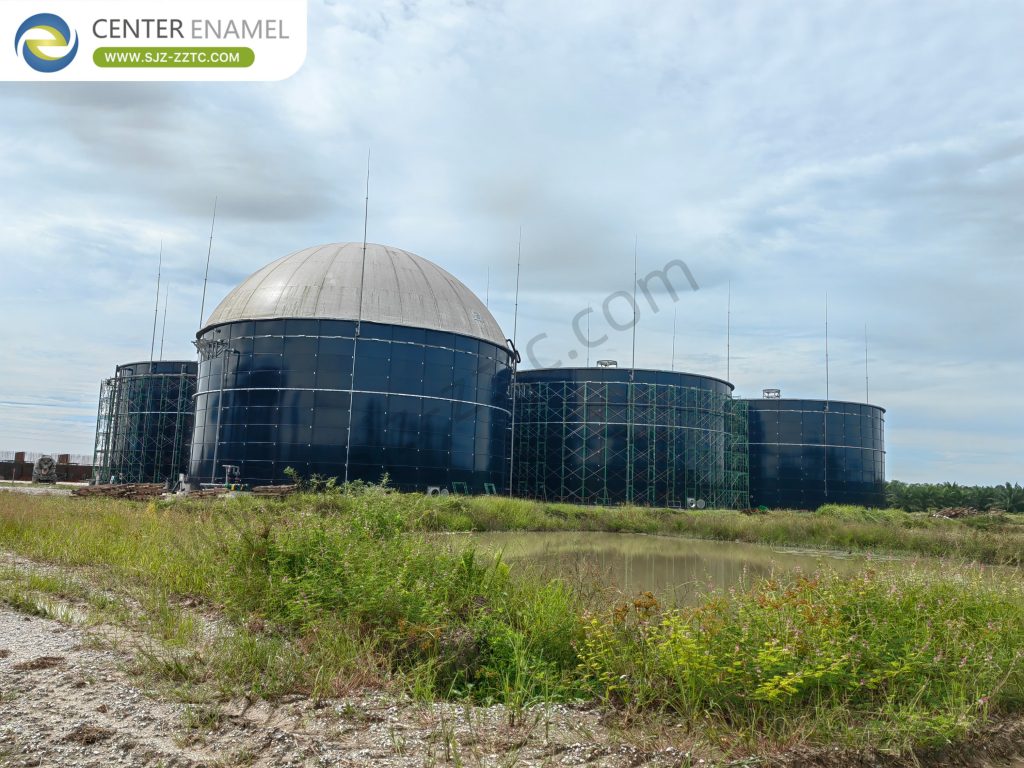
At the same time, it is not without environmental trade-offs, including potential methane leakage, energy inputs, and digestate management challenges. This article provides a balanced assessment of the environmental credentials of anaerobic digestion, examining both its clear benefits and the conditions under which those benefits are realized.
The Core Environmental Case for Anaerobic Digestion
The fundamental environmental argument for anaerobic digestion rests on three pillars: methane capture, renewable energy generation, and waste diversion from landfills.
When organic waste decomposes in a landfill, it releases methane-a greenhouse gas roughly 28 times more potent than carbon dioxide over a 100-year period. Landfill gas collection systems capture only a portion of this methane, and only after waste has been buried for months or years. Anaerobic digestion, by contrast, processes organic waste in sealed, engineered vessels where biogas is captured immediately and completely. The methane that would have escaped into the atmosphere is instead combusted to produce electricity and heat, converting a potent greenhouse gas into useful energy.
This dual benefit-avoided emissions plus displaced fossil fuels-gives anaerobic digestion a strong carbon story. Studies consistently show that treating one tonne of food waste through anaerobic digestion avoids substantially more greenhouse gas emissions than composting or landfilling.
Greenhouse Gas Reduction Potential
Quantifying the climate benefits of anaerobic digestion requires looking at the full picture: emissions avoided from landfill diversion, emissions displaced by renewable energy, and emissions generated by the digestion process itself.
Table 1: Greenhouse Gas Impacts of Organic Waste Treatment Options
| Treatment Method | Methane Emissions | Energy Recovery | Overall Climate Impact |
| Landfill | High (partial capture) | Limited | Highest emissions |
| Composting | Low | None | Moderate benefit |
| Anaerobic digestion | Very low (captured) | Yes (biogas) | Strong benefit |
| Incineration | Negligible | Yes (heat/electricity) | Moderate benefit |
The key advantage of anaerobic digestion lies in its combination of methane capture and energy recovery. Composting avoids methane but produces no energy and can release nitrous oxide, another potent greenhouse gas. Incineration recovers energy but requires high moisture content waste to be dried, reducing efficiency. Anaerobic digestion is uniquely suited to wet organic waste, which is precisely the material that causes the most problems in landfills.
Renewable Energy and Fossil Fuel Displacement
Biogas produced through anaerobic digestion is a versatile renewable energy carrier. It can be combusted in combined heat and power units to generate electricity and useful heat simultaneously, achieving overall efficiencies above 80% when heat is utilized. Upgraded to biomethane, it can substitute directly for natural gas in heating, industrial processes, or transportation fuel.
This displacement matters environmentally. Every unit of biogas energy used is a unit of fossil fuel that stays in the ground. In transportation, biomethane produced from waste can reduce lifecycle greenhouse gas emissions by 60–80% compared to diesel. In electricity generation, biogas displaces grid power that may otherwise come from coal or natural gas.
Waste Diversion and Circular Economy Benefits
Beyond energy and emissions, anaerobic digestion contributes to a more circular economy by diverting organic waste from landfills and returning nutrients to productive use. Digestate, the material remaining after digestion, is rich in nitrogen, phosphorus, and potassium. When applied to agricultural land, it displaces synthetic fertilizers whose production is energy-intensive and whose use contributes to water pollution and soil degradation.
Diverting organic waste from landfills also reduces leachate production, lowering the risk of groundwater contamination, and reduces the volume of waste requiring land disposal. In regions with limited landfill capacity, this extends the life of existing facilities and reduces the need for new ones.
Environmental Drawbacks and Trade-Offs
A balanced assessment must acknowledge that anaerobic digestion is not environmentally perfect. Several factors can undermine its green credentials if not carefully managed.
Methane Leakage
The most significant concern is methane leakage from digesters, gas handling equipment, and digestate storage. Methane is a potent greenhouse gas, and even small leakage rates can erode the climate benefits of the process. Research suggests that leakage rates above 2–3% of total biogas production can substantially reduce or even eliminate the net climate benefit. Proper engineering, regular maintenance, and enclosed digestate storage are essential to minimize losses.
Energy Inputs and Transport Emissions
Anaerobic digestion requires energy for feedstock collection, preprocessing, heating, pumping, and mixing. If feedstocks must be transported long distances, diesel emissions can offset some of the benefits. Similarly, upgrading biogas to biomethane requires energy, typically in the form of electricity or heat. Lifecycle assessments generally still show a net benefit, but the margin depends on local conditions.
Digestate Management Challenges
While digestate is a valuable fertilizer, its environmental impact depends on how it is handled. Liquid digestate is bulky and expensive to transport, leading some facilities to apply it in excess of crop requirements. This can cause nutrient runoff, eutrophication of waterways, and ammonia emissions. Proper storage, application timing, and nutrient accounting are necessary to realize the full environmental benefit.
Table 2: Environmental Pros and Cons of Anaerobic Digestion
| Aspect | Environmental Benefit | Potential Drawback |
| Methane emissions | Captures methane for energy | Leakage can offset benefits |
| Energy | Renewable biogas displaces fossil fuels | Energy inputs for processing |
| Waste | Diverts organics from landfill | Contamination can reduce quality |
| Digestate | Replaces synthetic fertilizers | Runoff risk if mismanaged |
| Land use | Uses waste, not dedicated crops | Energy crops can compete with food |
How Feedstock Choice Affects Environmental Performance
The environmental friendliness of anaerobic digestion depends heavily on what is fed into the digester. Waste-based feedstocks-food waste, manure, sewage sludge, and industrial byproducts-generally deliver strong environmental benefits because they divert materials that would otherwise cause pollution. Energy crops grown specifically for digestion, such as maize silage, present a more complicated picture. While they produce high biogas yields, they require land, water, fertilizer, and fuel to cultivate and harvest, potentially competing with food production and reducing the net environmental gain.
Co-digestion of multiple waste streams often improves environmental performance by increasing biogas yield per unit of infrastructure and diluting inhibitors without additional inputs. Source separation of food waste is particularly important, as contamination reduces digestate quality and can lead to disposal rather than beneficial use.
Conclusion
So, is anaerobic digestion environmentally friendly? In most circumstances, yes-it offers substantial greenhouse gas reductions, renewable energy generation, and circular economy benefits that outperform landfilling and often composting. However, these benefits are not automatic. They depend on minimizing methane leakage, managing digestate responsibly, avoiding energy crops that compete with food production, and optimizing transport distances. When designed and operated well, anaerobic digestion is one of the most environmentally sound options for managing organic waste while producing clean energy and restoring soil nutrients.
Frequently Asked Questions
Does anaerobic digestion produce greenhouse gases?
It produces biogas containing methane, but this is captured and used as energy rather than released. With proper management, net greenhouse gas emissions are far lower than landfilling.
Is biogas a clean energy source?
Yes. Biogas is renewable and produces significantly lower lifecycle emissions than fossil fuels. Upgraded to biomethane, it can replace natural gas in most applications.
Is anaerobic digestion better than composting for the environment?
For wet organic waste and energy recovery, generally yes. Composting is simpler and produces soil amendment, but anaerobic digestion captures methane and generates renewable energy, offering greater climate benefits.