
Sludge Anaerobic Solution: Building A Digester System That Delivers
A sludge anaerobic solution matches the digester to your solids, then adds the biogas path and digestate handling as one system: a CSTR (continuous stirred-tank reactor) at 35-38 C is the resilient base for high-solids sludge, while co-digestion of complementary organic waste can lift biogas yield; the biogas is used for combined heat and power or upgraded to biomethane; and the digestate is stabilized for land application. The digester type is chosen by solids - the reactor-type article covers that decision in full.
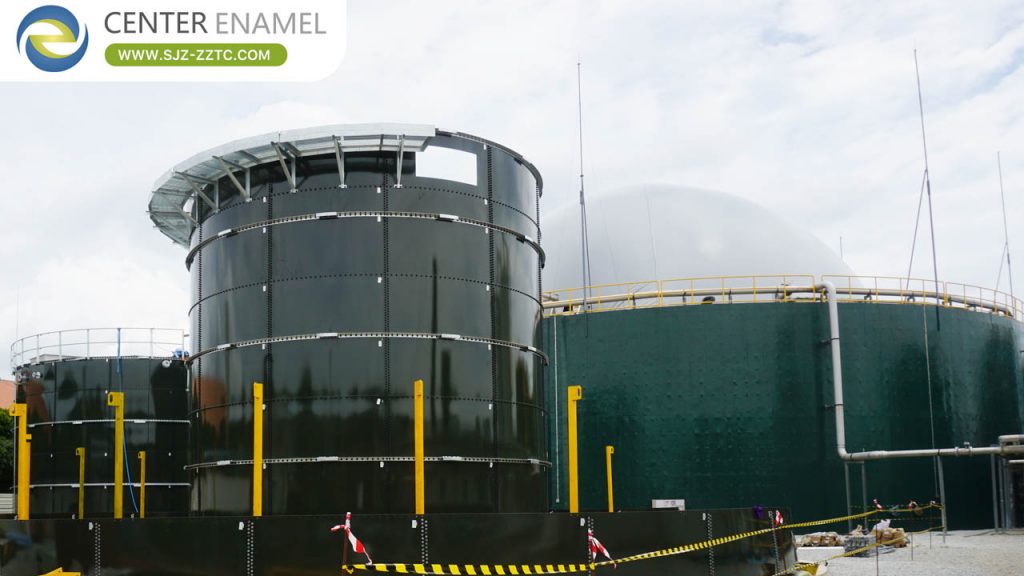
Match The Digester To The Solids
Sludge and organic feed almost always carries real suspended solids, so a mixed, solids-tolerant digester - CSTR, or USR for simpler feeds - is the resilient base; granular-sludge reactors (UASB/EGSB/IC) are reserved for the clarified liquid after solids are removed, which is rarely the case for raw sludge. The digester volume is set by retention time (15-30 days mesophilic) and feed volatile solids, not by a single catalogue number, and mixing and heating are what keep methanogenesis stable.
| Feed | Recommended digester | Why |
| High-solids sludge | CSTR | Tolerates solids, mixed |
| Simpler slurry | USR | Low-cost, mixed |
| Clarified liquid only | UASB / IC | High OLR after separation |
Biogas Use - CHP Or Upgrading
The 55-65% methane biogas is only valuable if it is used. The simplest route is combined heat and power (CHP) on-site, where the heat offsets the digester's own heating demand and the power displaces grid electricity. Where a gas grid or vehicle fuel market exists, upgrading to biomethane (CO2 removal) turns the same biogas into a transportable product. The choice is driven by local energy prices and infrastructure, not by the digester.
Digestate And Co-Digestion
The stabilized digestate is a fertilizer-grade material, but its value depends on nutrient regulations and haul distance, so digestate handling - dewatering, storage, land-application planning - is part of the solution, not an afterthought. Co-digestion of complementary organic waste (food, agro residues) can raise biogas yield and dilute inhibitory loads, but it must be balanced against feed consistency; over-mixing feeds is a common, avoidable mistake that destabilizes the biology.
Project Reference - Inner Mongolia Zhaqi Biogas
A medium-temperature anaerobic fermentation biogas project in Zhaqi, Inner Mongolia, applies four CSTR (continuous stirred-tank reactor) anaerobic reactors (each 25.98 x 8.4 m) and produces about 20,000 m3 of biogas per day. Published data shows location, process, reactor count, size and daily biogas; water-quality or further details beyond these are not released, so this is cited as a scoped digester-system application rather than a performance claim.
| Attribute | Value | Note |
| Location | Zhaqi, Inner Mongolia, China | Published |
| Reactors | 4 x CSTR | 25.98 x 8.4 m each |
| Biogas | 20,000 m3/day | Published |
| Process | Medium-temp anaerobic | Scoped |
About Company
Shijiazhuang Zhengzhong Technology Co., Ltd (Center Enamel) is a comprehensive high-tech enterprise specializing in wastewater engineering, process section contracting, and equipment manufacturing. The company delivers biogas and wastewater projects through three main lines - EPC (turnkey) contracting, equipment supply, and process packages - covering livestock and municipal wastewater, biomass energy, industrial wastewater, and food waste. Its reactor portfolio spans CSTR, USR, UBF, UASB, IC, and EGSB, backed by in-house Glass-Fused-to-Steel tank manufacturing (enamel firing at 820-930 C) and certifications including ISO 9001, NSF/ANSI 61, and CE-EN 1090. With 35+ years of operation, a 150,000 m2 manufacturing base, and projects in 100+ countries, Center Enamel provides the single-responsibility engineering behind sludge and organic-waste digester systems such as the Zhaqi CSTR reference, where four CSTR reactors produce 20,000 m3 of biogas per day - a scoped application of a solids-tolerant anaerobic solution rather than a generic claim.
A sludge anaerobic solution is a matched system - a solids-tolerant CSTR base at 35-38 C, a biogas path (CHP or upgrading) and digestate handling - scoped to your solids and energy context, not a digester bought alone.
Frequently Asked Questions
Q1: Which digester fits sludge? A1: A CSTR for high-solids sludge; USR for simpler slurry; granular reactors only after separation.
Q2: What temperature should it run at? A2: Mesophilic 35-38 C for stability; thermophilic only with tight control.
Q3: How is the biogas used? A3: CHP on-site, or upgrading to biomethane where infrastructure exists.
Q4: What happens to the digestate from a sludge digester? A4: Stabilized and used as fertilizer-grade material, with dewatering and haul planned.
Q5: Can co-digestion raise yield? A5: Yes, complementary organic waste lifts biogas but must be balanced against feed consistency.
Q6: How much biogas does sludge make? A6: About 0.30-0.45 m3 per kg COD removed, 55-65% methane.
Q7: What retention time is needed? A7: 15-30 days mesophilic for volatile-solids conversion.
Q8: How do I scope a digester system? A8: Fix solids, volume, biogas goal and energy context, then pick the digester and biogas path.
Suggested CTA
Send your sludge volume, solids and energy context to an engineering team, or request a scoped sludge anaerobic solution outline.