
Stages of Anaerobic Digestion: Essential Guide to Biogas Production
Anaerobic digestion (AD) is a sophisticated biochemical process wherein specialized microbial communities break down biodegradable organic matter in a strictly oxygen-free environment. Transforming complex agricultural residues, food waste, or wastewater sludge into renewable energy requires a coordinated sequence of biological phases.
Understanding the distinct stages of anaerobic digestion is critical for biochemical engineers, plant operators, and environmental technicians looking to optimize methane yields, prevent system souring, and maximize overall operational efficiency.
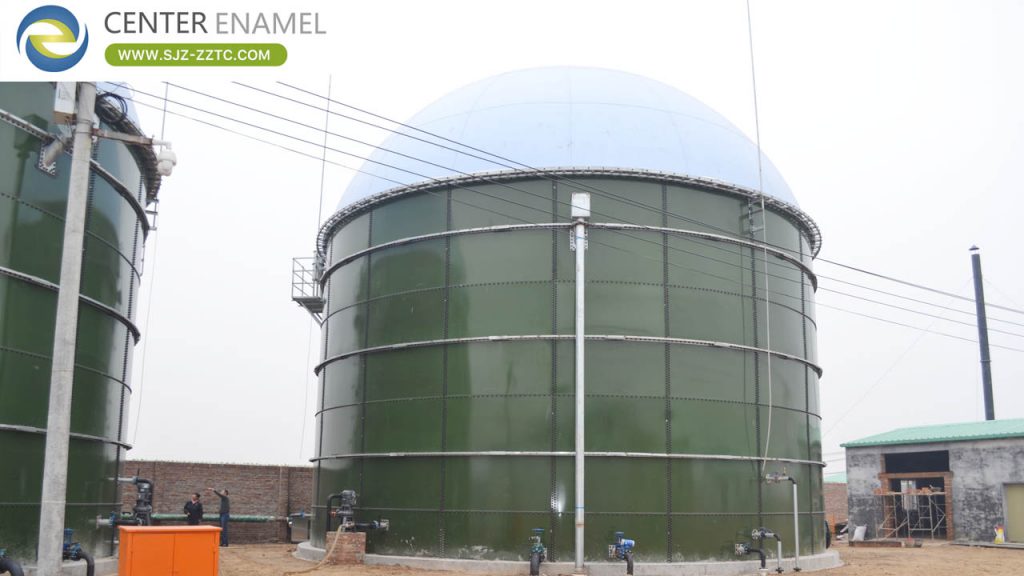
The Four Essential Stages of Anaerobic Digestion
The breakdown of organic material inside an anaerobic bioreactor proceeds through four consecutive biochemical steps, each driven by specific micro-organisms:
Stage 1: Hydrolysis (Breaking Down Complex Polymers)
- Biological Objective: Raw organic feedstocks contain complex macromolecules—such as proteins, carbohydrates, and lipids—that are too large to pass through microbial cell membranes.
- Mechanism: Hydrolytic bacteria secrete extracellular enzymes that split these heavy polymers into soluble, smaller components like simple sugars, amino acids, and long-chain fatty acids.
- Significance: Hydrolysis is often the rate-determining step for solid or lignocellulosic wastes, dictating how rapidly the entire digestion chain can proceed.
Stage 2: Acidogenesis (Fermentation and Acid Creation)
- Biological Objective: Convert the soluble monomers produced during hydrolysis into simpler organic acids, alcohols, and intermediary compounds.
- Mechanism: Acid-forming bacteria (acidogens) ferment the sugars and amino acids into volatile fatty acids (VFAs), lactic acid, alcohols, carbon dioxide (CO2), and trace amounts of hydrogen sulfide (H2S).
- Significance: This stage establishes the acidic environment required for subsequent biological conversions, behaving similarly to the natural souring of milk.
Stage 3: Acetogenesis (Conversion to Acetic Acid)
- Biological Objective: Transform intermediate volatile fatty acids and alcohols into direct precursors for methane generation.
- Mechanism: Acetogenic bacteria metabolize the VFAs and alcohols created during acidogenesis, converting them primarily into acetic acid (acetate), alongside carbon dioxide and direct hydrogen (H2).
- Significance: Maintaining balanced hydrogen levels during acetogenesis is crucial, as excess hydrogen can stall the reaction and disrupt the biological equilibrium.
Stage 4: Methanogenesis (Methane Gas Creation)
- Biological Objective: Produce the final renewable energy carrier—methane gas (CH4).
- Mechanism: Strict anaerobic microorganisms known as methanogenic archaea consume the acetic acid, hydrogen, and carbon dioxide produced in prior steps, converting them directly into methane and carbon dioxide.
- Significance: This terminal stage generates the high-value biogas that collects in the reactor headspace for utilization in combined heat and power (CHP) engines or biomethane upgrading skids.
Comparative Data Table: The Four Stages of Anaerobic Digestion
| Digestion Stage | Primary Microbial Group | Target Input Substrate | Chemical Conversion Output |
| 1. Hydrolysis | Hydrolytic bacteria | Complex polymers (proteins, carbs, lipids) | Soluble monomers (sugars, amino acids) |
| 2. Acidogenesis | Acid-forming bacteria | Soluble sugars and monomers | Volatile fatty acids (VFAs), alcohols, CO2 |
| 3. Acetogenesis | Acetogenic bacteria | VFAs and intermediate alcohols | Acetic acid (acetate), hydrogen, CO2 |
| 4. Methanogenesis | Methanogenic archaea | Acetate, hydrogen, and carbon dioxide | Biogas (Methane [CH4] + CO2) |
Frequently Asked Questions (FAQ)
Q1: What are the four main stages of anaerobic digestion?
A: The four sequential stages of anaerobic digestion are hydrolysis, acidogenesis, acetogenesis, and methanogenesis. Each step relies on distinct communities of microorganisms to break down organic waste into simpler compounds, culminating in methane gas production.
Q2: Which stage of anaerobic digestion is typically the slowest?
A: Hydrolysis is frequently the rate-determining step in anaerobic digestion, particularly when processing complex solid substrates or lignocellulosic biomass, because breaking down heavy polymers takes longer than subsequent microbial conversions.
Q3: Why must oxygen be strictly excluded during methanogenesis?
A: Methanogenic archaea—the microorganisms responsible for synthesizing methane gas during the final stage—are strictly anaerobic. The presence of oxygen is toxic to them and immediately halts biological methane formation, underscoring the need for sealed, oxygen-free bioreactor environments.