
Tackling Starch Wastewater Challenges: Innovative Solutions for Spent Wash Treatment
Industrial starch manufacturing, food processing, and grain refining generate massive volumes of high-strength liquid effluents, commonly referred to as spent wash or starch wastewater. Accumulated from washing, steeping, refining, and saccharification steps, these wastewaters carry exceptionally high Chemical Oxygen Demand (COD) and Biochemical Oxygen Demand (BOD).
Untreated discharge into local ecosystems results in severe oxygen depletion, toxic aquatic conditions, and persistent environmental degradation. Implementing advanced, sustainable starch wastewater treatment systems is no longer just a regulatory necessity—it is a powerful economic opportunity for industrial bioenergy recovery.
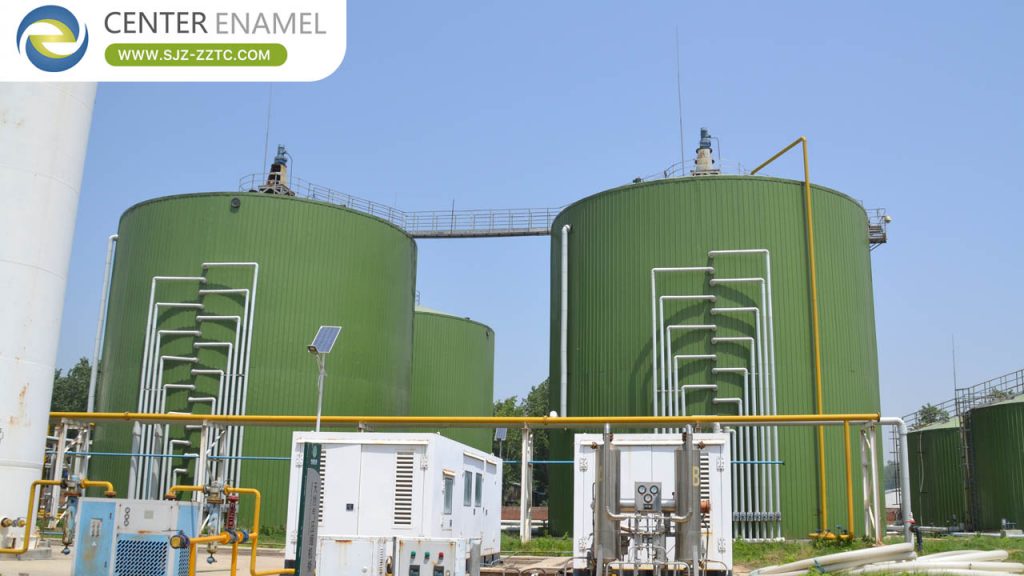
The Nature of Starch Processing Effluents
Starch wastewater presents distinct chemical and physical hurdles that dictate how treatment facilities must be engineered:
- High Organic Load: COD levels in raw starch effluents can range from tens of thousands to hundreds of thousands of milligrams per liter, driven by dissolved starches, sugars, and suspended solids.
- Rapid Acidification Potential: Because carbohydrates degrade extremely fast into volatile fatty acids (VFAs), untreated streams can rapidly drop in pH, destabilizing biological treatment tanks if proper buffering is absent.
- Large Daily Volumes: Modern starch processing plants produce thousands of cubic meters of wastewater daily, requiring high-throughput, continuous industrial solutions.
Innovative Technological Solutions for Spent Wash Treatment
To effectively mitigate environmental risks and capture value, modern industrial plants rely on multi-stage treatment trains combining biological valorization and physical polishing.
1. High-Rate Anaerobic Digestion (AD)
Anaerobic digestion is the gold standard for treating high-strength organic wastewater. In the absence of oxygen, specialized microbial consortia break down complex starches into biogas (comprising roughly 50%–70% methane).
- UASB & EGSB Reactors: Upflow Anaerobic Sludge Blanket (UASB) and Expanded Granular Sludge Bed (EGSB) reactors provide high volumetric loading rates, successfully achieving COD removal efficiencies exceeding 85% to 90% while generating renewable energy.
2. Membrane Bioreactors (MBR)
Combining biological degradation with advanced microfiltration or ultrafiltration membranes, MBR systems isolate suspended solids completely. This delivers exceptionally clean effluent that meets strict regulatory discharge thresholds or can be recycled directly back into industrial utility loops.
3. Physico-Chemical Pre-Treatment
Coagulation, flocculation, and dissolved air flotation (DAF) are deployed as frontline defenses to strip out suspended starch particles and colloidal matter before the wastewater enters biological reactors, preventing system clogging and organic overloading.
Comparative Data Table: Starch Wastewater Treatment Technologies
| Technology Option | Primary Function & Mechanism | COD Removal Efficiency | Energy & Resource Recovery Profile |
| UASB / EGSB Anaerobic Reactors | High-rate biological conversion of dissolved starches | 85% – 95% | High net energy recovery (generates renewable biogas) |
| Membrane Bioreactors (MBR) | Integrated biological breakdown and physical filtration | 95% – 99%+ | Produces high-purity reusable water; moderate energy draw |
| Coagulation & Flocculation | Physico-chemical separation of suspended solids | 40% – 60% (Pre-treatment) | None (generates secondary sludge requiring dewatering) |
| Aerobic Polishing (SBR / Activated Sludge) | Secondary polishing of low-strength effluents | 80% – 90% | High electrical energy demand for continuous aeration |
Frequently Asked Questions (FAQ)
Q1: Why is anaerobic digestion preferred over aerobic treatment for spent wash?
A: Spent wash has an extremely high organic load (COD). Treating such high-strength wastewater exclusively with aerobic systems would require massive, energy-intensive aeration power. Anaerobic digestion handles high organic loads with minimal energy input while simultaneously converting waste organics into valuable renewable biogas.
Q2: How does starch wastewater treatment contribute to plant circular economy goals?
A: Modern treatment plants recover biogas from anaerobic digestion to offset natural gas or grid electricity usage within the factory. Furthermore, integrating membrane filtration allows treated water to be purified and recycled back into industrial cleaning or utility processes, significantly reducing freshwater intake and wastewater discharge fees.
Q3: What are the main challenges when operating an anaerobic reactor on starchy spent wash?
A: The high concentration of rapidly degradable starch can cause sudden spikes in volatile fatty acids (VFAs), dropping the pH and "souring" the reactor if alkalinity is not properly monitored. Facilities mitigate this through continuous pH buffering, nutrient dosing, and maintaining stable organic loading rates.