
Textile Wastewater Characteristics: Treatment Workflow, Anaerobic Solutions & GFS Tanks EPC Guide
Textile manufacturing is one of the world’s highest water-consuming industrial sectors, consuming 80–150 tons of freshwater to produce a single ton of finished cloth, while massive polluted effluent is generated after sizing, desizing, bleaching, dyeing and printing procedures. Fully understanding distinct Textile Wastewater Characteristics is the prerequisite for designing stable, cost-effective treatment plants; untreated direct discharge of textile wastewater triggers severe water eutrophication, soil salinization and heavy metal accumulation across rivers and groundwater worldwide.
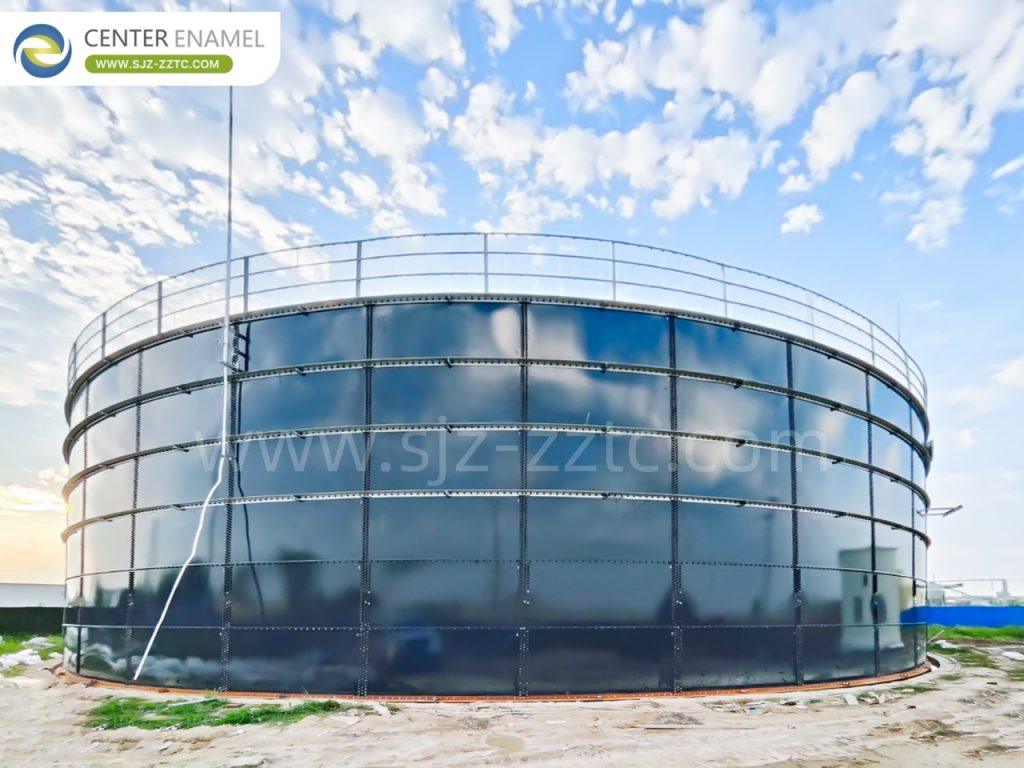
Modern treatment routes combine physical pre-processing, anaerobic biodegradation and advanced deep purification, with four mature anaerobic technologies and versatile GFS Tanks becoming core infrastructure. As a global professional turnkey EPC provider, Center Enamel delivers customized wastewater & biogas recovery solutions for textile factories and agricultural sewage projects globally.
Core Physicochemical Textile Wastewater Characteristics
Textile effluent differs drastically from domestic and agricultural sewage with five prominent typical features derived from dyes, sizing agents, bleaching chemicals and surfactants:
High chroma and complex dye composition
Wastewater from printing and dyeing carries intensive persistent color from azo, indigo and reactive dyes; most synthetic dyes are refractory organic compounds hard to degrade naturally, even low concentration can darken entire water bodies and block sunlight for aquatic photosynthesis.
Extreme pH fluctuation and high salinity
Alkali from caustic soda used in desizing makes raw wastewater pH reach 10–12, while acid bleaching segments produce acidic effluent below pH 5; abundant sodium chloride and sodium sulfate from dye fixation create high TDS (Total Dissolved Solids), easily inducing soil salinization after drainage.
Ultra-high COD & BOD load
Sizing starch, residual dyes and textile auxiliaries push COD values up to 8,000–15,000 mg/L in raw wastewater, far exceeding domestic sewage indexes; high organic content rapidly depletes dissolved oxygen in natural water and forms dead aquatic zones.
Abundant suspended solids (TSS)
Short fiber scraps, pigment residues and floc particles from fabric processing form massive suspended substances (100–1000mg/L), blocking water permeation and damaging aquatic organisms’ gills.
Trace toxic heavy metals & persistent additives
Chromium, copper, zinc and residual pesticide from raw fabric plus refractory surfactants remain in effluent; these heavy metals bioaccumulate in food chain and threaten human drinking water safety long-term.
The Critical Necessity of Professional Textile Wastewater Treatment
Based on unique Textile Wastewater Characteristics, building standardized effluent treatment facilities is mandatory for textile manufacturers with triple core values: First, satisfy local environmental discharge legislations across Asia, Europe and Africa to avoid heavy fines or forced factory shutdown caused by illegal drainage.
Second, eliminate downstream ecological damage including river salinization and groundwater heavy metal pollution, cutting government’s subsequent environmental remediation expense.
Third, realize circular economy gains: organic pollutants degraded via anaerobic digestion turn into methane-rich biogas for factory boiler heating and power generation, while qualified treated water can be recycled for repeated fabric washing to slash freshwater purchase cost.
Complete Standard Textile Wastewater Treatment Process
Combined pre-treatment + anaerobic core digestion + advanced polishing forms mature disposal flow, all stages widely adopt GFS Tanks for regulation, fermentation and biogas storage:
- Pretreatment Stage: Bar screens remove coarse fiber scraps; grit chamber filters grit; pH adjustment GFS Tanks neutralize overly acidic/alkaline wastewater to 6–9; coagulation-flocculation tanks aggregate suspended solids and partial dye precipitates for sludge separation.
- Core Anaerobic Digestion: Pre-regulated wastewater flows into CSTR/UASB/USR/IC anaerobic reactors assembled with matched GFS Tanks. Under oxygen-free microbial decomposition, most soluble organic pollutants transform into raw biogas stored inside airtight GFS Tanks.
- Aerobic Advanced Treatment (A2O/Activated Sludge): Post-anaerobic wastewater proceeds into aerobic tank to eliminate residual soluble COD, nitrogen and phosphorus leftover from anaerobic phase for standard-compliant drainage or factory reuse.
- Sludge & Biogas Post-processing: Anaerobic digestate and excess sludge are concentrated in dedicated storage GFS Tanks; purified biogas after desulfurization/dehydration supplies on-site power or heating fuel.
Four Mature Anaerobic Technologies for Textile & Agricultural Wastewater
Center Enamel customizes four tailored anaerobic reactor solutions adapting to textile’s high-salt, high-COD wastewater and variable agricultural sewage composition, all perfectly paired with modular GFS Tanks:
CSTR (Continuous Stirred-Tank Reactor)
Equipped with full internal mechanical stirring to prevent dye sludge crusting and material stratification, ideal for high-solid mixed textile sludge + livestock manure combined wastewater; large-scale textile park anaerobic systems commonly adopt bolt-assembled GFS Tanks as reactor main body.
UASB (Upflow Anaerobic Sludge Blanket)
Rely on self-formed high-activity granular sludge to degrade pre-diluted medium-concentration textile wastewater and crop processing sewage, small land footprint and low power consumption fit medium-sized independent textile factories with matched regulating & biogas storage GFS Tanks.
USR (Upflow Solid Reactor)
Low-investment simplified structure with excellent anti-clogging performance, no complicated pre-crushing required, suitable for scattered small textile workshop wastewater and rural decentralized agricultural sewage projects to lower initial construction input.
IC (Internal Circulation Anaerobic Reactor)
Built-in internal gas-liquid circulation system boosts organic removal efficiency to 3–5 times traditional reactors, compact layout for oversized centralized textile industrial zone wastewater hubs equipped with large-volume bulk GFS Tanks for massive biogas stockpiling.
Unique Advantages of GFS Tanks in Wastewater Treatment Projects
As multi-purpose core tank equipment covering regulation, anaerobic fermentation, biogas and digestate storage across textile & agricultural wastewater projects, GFS Tanks outperform conventional concrete and carbon steel tanks with six key strengths:
- Strong anti-corrosion: High-temperature sintered enamel coating resists erosion from acidic dye wastewater, sulfur-containing biogas and high-salt textile effluent, avoiding rust leakage in rainy tropical regions.
- Excellent airtight sealing: Special bolt seal stops biogas escape during storage, maximizes methane recovery rate and eliminates plant explosion risks.
- Modular on-site bolt assembly: Factory prefabricated enamel panels without field welding, shortens construction cycle and avoids poor welding from high ambient humidity.
- 30+ years service life: Smooth inner tank surface prevents dye sludge scaling and organic residue adhesion, cutting long-term routine maintenance cost greatly.
- Stable thermal adaptability: Consistent physical property amid drastic seasonal temperature shifts to maintain stable anaerobic fermentation temperature for continuous biogas yield.
- Multi-scenario flexible compatibility: Single set of GFS Tanks can switch functions between wastewater equalization, anaerobic digestion and gas storage to match all four anaerobic processes flexibly.
Center Enamel’s Rich Global EPC Experience in Wastewater & Biogas Projects
As world-leading EPC manufacturer owning over 200 independent enamel patents with all products certified by ISO and AWWA standards, Center Enamel has finished hundreds of textile and agricultural wastewater biogas projects across more than 100 countries over 30+ years:
- Full one-stop turnkey service: Cover early site survey, customized anaerobic parameter design, GFS Tanks production, cross-border delivery, on-site installation, system commissioning and local staff operational training. Engineers adjust process configuration per local textile wastewater characteristics and regional climate conditions.
- Global localized after-sales network: Regional technical teams in Southeast Asia, South Asia and Europe provide timely on-site overhaul and process optimization for running wastewater facilities.
Mastering diverse Textile Wastewater Characteristics is the foundation to design efficient, economical disposal solutions; rational combination of four mature anaerobic technologies and high-performance GFS Tanks turns harmful textile industrial effluent into reusable freshwater and clean biogas, realizing circular industrial development.
With decades of cross-border EPC experience and localized customized design capability, Center Enamel keeps delivering reliable turnkey wastewater & biogas construction solutions for global textile manufacturers and agricultural operators, effectively balancing environmental compliance and long-term production cost reduction, helping enterprises lower fossil fuel reliance and cut industrial carbon emissions sustainably.