
Thailand Biogas Technology: GFS Tanks + Double Membrane Roof for Animal Waste
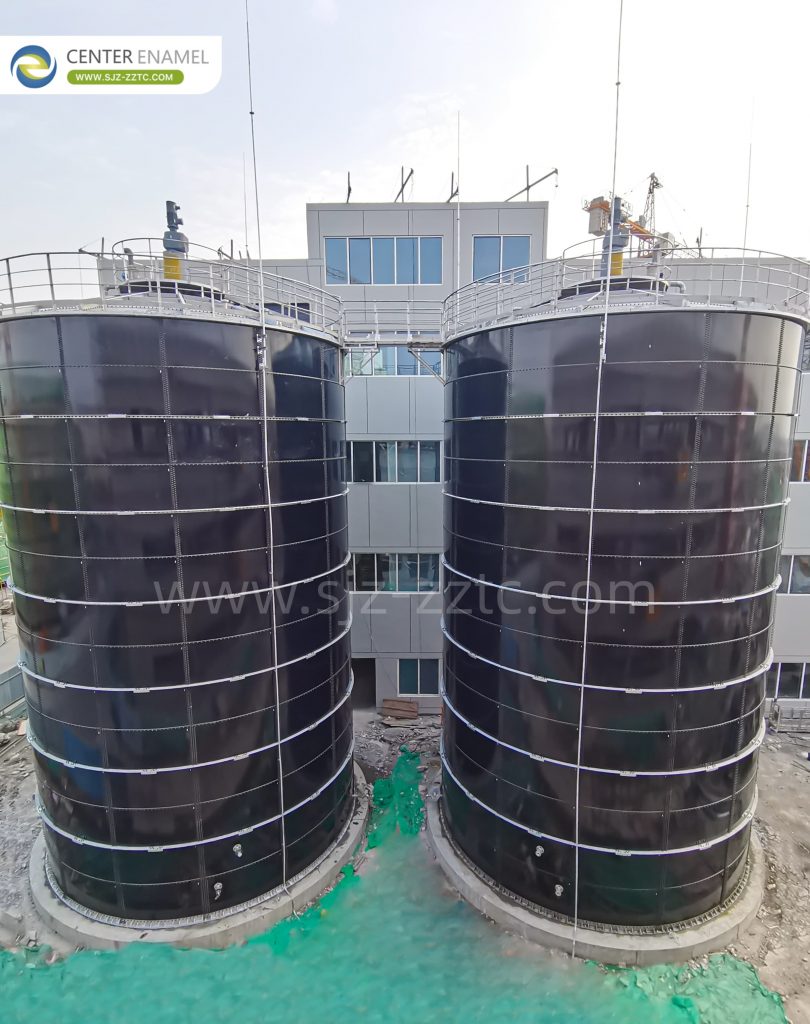
Thailand has long been one of Southeast Asia’s most dynamic economies, but its energy sector faces growing pressure. Natural gas reserves are declining, and the country remains a net importer of crude oil and electricity from neighboring nations. While renewable energy targets have been set under the Alternative Energy Development Plan (AEDP), many rural livestock operations still depend on grid electricity or expensive diesel. At the same time, Thailand produces millions of tons of animal manure annually from its large-scale poultry, pig, and dairy sectors. Instead of treating this waste as an environmental liability, farmers can harness Biogas Technology to generate their own clean energy, reduce operating costs, and support national energy security.
Advantages of Converting Animal Manure to Biogas on Thai Farms
Thailand is a major producer of pork, chicken meat, and eggs, with concentrated animal feeding operations in regions like Nakhon Ratchasima, Chiang Mai, and Ratchaburi. Without proper management, manure lagoons emit methane and ammonia, affecting local communities and water quality. Implementing a modern biogas system offers multiple benefits:
On-site power generation: Biogas can run generators to supply electricity for ventilation, cooling, feeding systems, and lighting.
Grid independence: Farms reduce exposure to rising electricity tariffs and grid instability.
Waste volume reduction: Anaerobic digestion significantly reduces the mass and odor of raw manure.
Nutrient recovery: The digestate produces a consistent, pathogen-reduced organic fertilizer.
Compliance with pollution standards: Thailand’s Ministry of Natural Resources and Environment enforces stricter discharge limits; biogas helps farms stay compliant.
For Thai cooperative farms and large-scale integrators, Biogas Technology turns a disposal problem into a productive asset.
Center Enamel: Professional Biogas Project Design and EPC Services
For over 36 years, Center Enamel has established itself as Asia’s leading manufacturer of Glass-Fused-to-Steel (GFS) tanks and a full-scope provider of Biogas Technology systems. Starting from enamel frit production, the company has evolved into an EPC (Engineering, Procurement, and Construction) contractor delivering complete biogas solutions. Center Enamel holds certifications including CE/EN1090, ISO9001, NSF61, WARS, and EN28765, and designs to AWWA D103, OSHA, and EuroCode standards. Their service portfolio covers site assessment, process design, equipment fabrication, installation oversight, and local operator training. For Thailand’s diverse agricultural regions-from central plains to northern highlands-Center Enamel offers robust, climate-adapted biogas systems.
Pretreatment Stage + CSTR Process: Core of Anaerobic Digestion
A reliable Biogas Technology system depends on effective feedstock preparation. Center Enamel’s pretreatment stage addresses the characteristics of Thai farm waste:
Screening: Removes inorganic debris such as plastic, feathers, stones, and rope that could disrupt downstream equipment.
Crushing: Breaks down organic particles to increase the surface area accessible to anaerobic microorganisms.
Sand settling: Extracts heavy grit and soil particles that would otherwise accumulate inside the digester.
Homogenization tank: Balances incoming waste flow and organic loading, providing a consistent feed to the main reactor.
Following pretreatment, the core of the system is the CSTR Process. CSTR stands for Continuous Stirred-Tank Reactor, a proven anaerobic digestion method where fermentation materials and microbial populations remain in a fully agitated, uniform mixture inside a sealed vessel. A mechanical stirrer operates either continuously or at scheduled intervals while the temperature is held steady (typically 35–37°C for mesophilic digestion). This constant agitation delivers three essential outcomes: it prevents solid particles from settling at the bottom, eliminates surface scum accumulation, and ensures optimal contact between bacteria and fresh organic matter. The result is dependable Biogas Technology performance with high volatile solids destruction-even when processing challenging feedstocks like layer chicken manure or high-solids pig slurry.
Biogas rises naturally to the top of the reactor and is extracted through the roof collection system. The residual digestate flows out for solid-liquid separation and subsequent agricultural use.
GFS Tanks and Double Membrane Roof: Two Major Products for Biogas Systems
Center Enamel supplies two primary products for Biogas Technology infrastructure: GFS Tanks and two roof configurations-Glass-Fused-to-Steel (GFS) roof and double membrane roof.
GFS Tanks (Glass-Fused-to-Steel) are a preferred choice for anaerobic digesters and biogas storage across Southeast Asia. The glass coating is fused to steel at extremely high temperatures, creating a vitreous, non-porous, and chemically resistant surface. This coating withstands the corrosive environment inside digesters-including hydrogen sulfide, volatile fatty acids, and pH fluctuations. With a manufacturing capacity of 250,000 sheets annually, Center Enamel produces bolted GFS tanks that are shipped in compact containers and assembled on location, which is particularly advantageous for Thai farms where transport access may vary.
Roof selection depends on local weather patterns and project goals:
GFS roof is advised for areas that experience severe monsoon rains, frequent thunderstorms, or locations near coastal zones with high wind speeds. It is also appropriate when a separate ground-mounted gas holder is specified. This roof type works well for tank diameters below 23 meters.
Double membrane roof is the standard recommendation for typical Thai conditions. Its primary benefits include reduced material costs and a smaller physical footprint-the roof integrates gas storage directly above the digester, removing the need for a separate gas holder. This saves valuable land and reduces foundation construction expenses, a key advantage for farms with limited space.
Both roof designs are fully compatible with the CSTR Process, maintaining an anaerobic seal while enabling efficient biogas collection and temporary storage.
Supporting Equipment for a Complete Biogas System
A fully operational biogas plant requires more than a digester alone. Center Enamel supplies a complete set of auxiliary equipment:
Gas Holder: Provides buffering capacity between biogas production and generator demand.
Black Membrane: Used for lined treatment ponds, emergency overflow containment, or secondary storage.
Solid-liquid Separator: Splits digestate into solid fraction (suitable for animal bedding or compost) and liquid fertilizer.
Torch System: Safely burns surplus biogas when power generation is not required.
Lifting Pump: Transfers raw manure, slurry, or digestate between different treatment stages.
Dehydration and Desulfurization Tank: Removes moisture and corrosive hydrogen sulfide from raw biogas, protecting engines and pipelines.
Screw Sludge Dewatering Machine: Reduces sludge volume from pretreatment or post-digestion handling, lowering disposal costs.
This complete equipment package ensures that Biogas Technology systems run reliably, safely, and with minimal day-to-day labor.
Efficient Installation Capabilities of Center Enamel
Construction speed is a critical factor for Thai projects, especially during the dry season window between monsoons. Center Enamel’s bolted GFS Tanks are prefabricated inside a 150,000 m² production facility and delivered in standardized sea-freight containers. On-site assembly requires no hot work-only bolting and sealing-which significantly reduces installation time compared to traditional methods. A complete digestion system can typically be erected in weeks rather than months, allowing farms to start generating Biogas Technology benefits sooner.
All components are designed for straightforward assembly by local crews under remote or on-site guidance from Center Enamel’s technical supervisors. The company also provides commissioning support and structured training for farm personnel. For projects in Thailand’s eastern seaboard, northern valleys, or southern provinces, this efficient installation approach minimizes weather-related delays and keeps capital expenditure predictable.
Center Enamel: A One-Stop Biogas Technology Solution Provider for Thailand
Center Enamel is not only a tank manufacturer-it is a one-stop solution provider for complete Biogas Technology systems. From initial feasibility studies and process engineering to equipment manufacturing, on-site erection, and final commissioning, Center Enamel delivers turnkey solutions adapted to Thailand’s agricultural and industrial environment. Their business scope includes EPC contracts, process packages, and individual equipment supply, all supported by international certifications and decades of hands-on experience.
Consider a Thai broiler farm in Saraburi with 500,000 birds. Center Enamel can design a CSTR Process system using GFS Tanks fitted with a double membrane roof, plus all auxiliary equipment (pumps, desulfurization, torch, solid-liquid separator). The generated biogas can fuel a combined heat and power (CHP) unit, supplying electricity for fans, feeding lines, and waste handling, while waste heat maintains digester temperature. The separated digestate solids can be sold as organic soil conditioner to nearby fruit orchards.
Center Enamel manages the entire delivery: site evaluation, permit assistance, civil works coordination, tank assembly, piping integration, generator hookup, and staff training. This integrated approach lowers project risk, compresses schedules, and guarantees a system that meets Thai safety and environmental standards.
With exports to over 100 countries and more than 500 employees dedicated to water, wastewater, and biogas projects, Center Enamel has the capacity and expertise to support Thailand’s renewable energy ambitions. Whether for a small dairy cooperative or a large integrated poultry operation, Center Enamel delivers durable, efficient, and long-lasting Biogas Technology solutions.
Conclusion
Thailand’s need for decentralized renewable energy, combined with its large livestock sector, makes Biogas Technology a compelling investment. By converting animal manure into biogas using the CSTR Process inside durable GFS Tanks with efficient double membrane roofs, farms can lower energy costs, manage waste responsibly, and generate additional revenue from digestate. Center Enamel provides everything from feedstock pretreatment to power generation-as a single, accountable partner. For Thai farmers, agricultural cooperatives, and project investors, choosing Center Enamel means choosing a certified, proven, and dependable biogas partner.
FAQ
Q1: What is the typical payback period for a Biogas Technology system on a Thai pig farm?
A1: Payback periods vary based on farm size, local electricity tariffs, and available incentives. For a mid-sized Thai pig farm (2,000–5,000 head) replacing diesel generators with Biogas Technology, the payback typically ranges from 3 to 5 years. Farms that also sell digestate or qualify for carbon credits may see even faster returns. Center Enamel provides customized financial modeling during the feasibility study.
Q2: Does the CSTR Process require special bacteria to be added regularly?
A2: No. Once the CSTR Process is started with an initial bacterial inoculum (often using manure from existing lagoons or purchased digestate), the system sustains its own microbial population. The continuous feeding of fresh manure provides ongoing nutrients, and the constant mixing maintains healthy, active bacteria without requiring regular commercial additives.
Q3: Can Center Enamel integrate with existing farm infrastructure like concrete lagoons or covered ponds?
A3: Yes. Center Enamel specializes in retrofitting and expanding existing farm waste management systems. The GFS Tanks and CSTR Process can be designed as an upgrade to replace or complement older lagoon systems. Center Enamel’s engineering team will assess the current layout and propose the most cost-effective integration, whether building a complete new digester or linking to existing storage and separation equipment.