
The Compressed Biogas (CBG) Business Model: A Blueprint for Sustainable Energy Entrepreneurship
The transition to a circular bioeconomy has turned waste management into an industrial asset class. The Compressed Biogas (CBG) business model—often referred to as Bio-CNG—represents a high-value infrastructure investment that bridges the gap between agricultural waste, environmental remediation, and the fossil-fuel-dependent transportation sector.
Unlike traditional biogas which is often consumed locally, the CBG model focuses on upgrading raw biogas to 95%+ methane purity and compressing it into cylinders or pipelines for commercial sale as a vehicle-grade fuel.
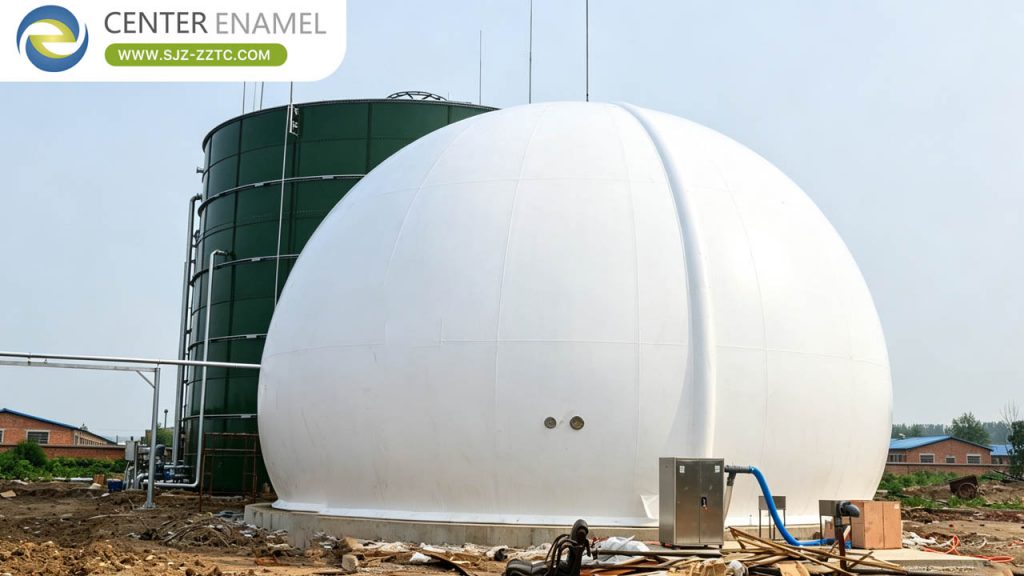
The Business Value Chain
The CBG business model operates on a three-pillar value chain designed to minimize operational risk and maximize yield:
- Upstream (Feedstock Aggregation): The reliability of a CBG plant depends on a steady supply of organic matter (cattle dung, poultry litter, agricultural residues, or food waste). Businesses typically establish "Feedstock Procurement Networks" with local farmers or municipal bodies to ensure a consistent input at a stable cost.
- Midstream (Conversion and Upgrading): This is the core manufacturing phase. Anaerobic Digestion (AD) converts waste into raw biogas. The crucial differentiator in the CBG model is the Upgrading Plant, which utilizes Membrane Separation or Pressure Swing Adsorption (PSA) to remove CO2, moisture, and H2S, elevating the gas to automotive standards.
- Downstream (Distribution and Offtake): The final product (Bio-CNG) is marketed either through long-term procurement agreements with Oil Marketing Companies (OMCs)—such as the SATAT scheme in India—or via direct supply to local industrial boilers and heavy-vehicle fleets.
Revenue Streams and Profitability Drivers
A robust CBG business model is not solely dependent on gas sales. It utilizes a diversified "Tri-Revenue" approach:
- Primary Revenue (Bio-CNG Sales): The sale of compressed gas as a direct substitute for diesel or traditional CNG.
- Secondary Revenue (Bio-Fertilizer): The residual byproduct, known as Digestate, is processed into Fermented Organic Manure (FOM) or high-grade organic pellets, which are sold to the agriculture sector.
- Tertiary Revenue (Incentives and Credits): Government-backed carbon credits, renewable energy certificates, and specific capital investment subsidies significantly compress the payback period.
Comparative Data Table: CBG Business Model Metrics
| Business Component | Operational Focus | Primary Revenue Potential | Risk/Success Factor |
| Feedstock | Procurement & Logistics | Low (Cost center) | High (Consistency & Contaminants) |
| Gas Upgrading | Technology & Purification | High (Value-added product) | High (Energy efficiency of PSA/Membrane) |
| Digestate | Nutrient Recovery & Selling | Moderate (Bio-fertilizer market) | High (Logistics & Market Acceptance) |
| Offtake Agreements | Sales Contracts / Grid Connection | High (Revenue Stability) | Critical (Contract enforcement & Pricing) |
Strategic Considerations for Scaling
To successfully implement the CBG business model, entrepreneurs must address three critical success factors:
- Technological Integration: Utilizing high-rate anaerobic digesters (like EGSB or CSTR) ensures higher throughput per square meter.
- Supply Chain Logistics: For plants dependent on dispersed agricultural waste, the "last-mile" collection cost can determine profitability.
- Regulatory Compliance: Navigating environmental discharge norms and securing government-backed procurement agreements are essential for long-term viability.
Frequently Asked Questions (FAQ)
Q1: How does a CBG plant make money if feedstock prices fluctuate?
A: A resilient CBG business model relies on "Diversified Inputs." By utilizing a mix of feedstock types (e.g., mixing low-cost manure with high-tipping-fee food waste), plants can balance costs. Furthermore, long-term offtake agreements often include price escalation clauses linked to fuel indices to protect margins.
Q2: What is the most expensive part of a CBG business?
A: The Capital Expenditure (CAPEX) is highest in the "Upgrading" and "Compression" sections of the plant. Technology that purifies biogas to >95% methane and high-pressure compressors require significant initial investment compared to simple biogas electricity generation units.
Q3: Can digestate (bio-fertilizer) be sold commercially?
A: Yes, provided the digestate is pasteurized, nutrient-tested, and meets regional agricultural standards. Transforming liquid digestate into dry, bagged organic fertilizer is a proven way to increase the profit margin of the business model significantly.