
The Critical Importance of Choosing the Right Biogas Raw Materials for Efficient Production
In the anaerobic digestion (AD) industry, the adage "garbage in, garbage out" takes on a literal, technical meaning. An anaerobic digester is a living biological reactor; its performance, output stability, and overall Return on Investment (ROI) are fundamentally dictated by the raw materials (feedstock) selected for the process.
Choosing the right biogas raw materials is not merely about sourcing "organic matter"—it is about engineering a balanced biological diet for methanogenic archaea. Failure to optimize feedstock selection can lead to reactor "souring," mechanical failures, and significantly diminished methane yields.
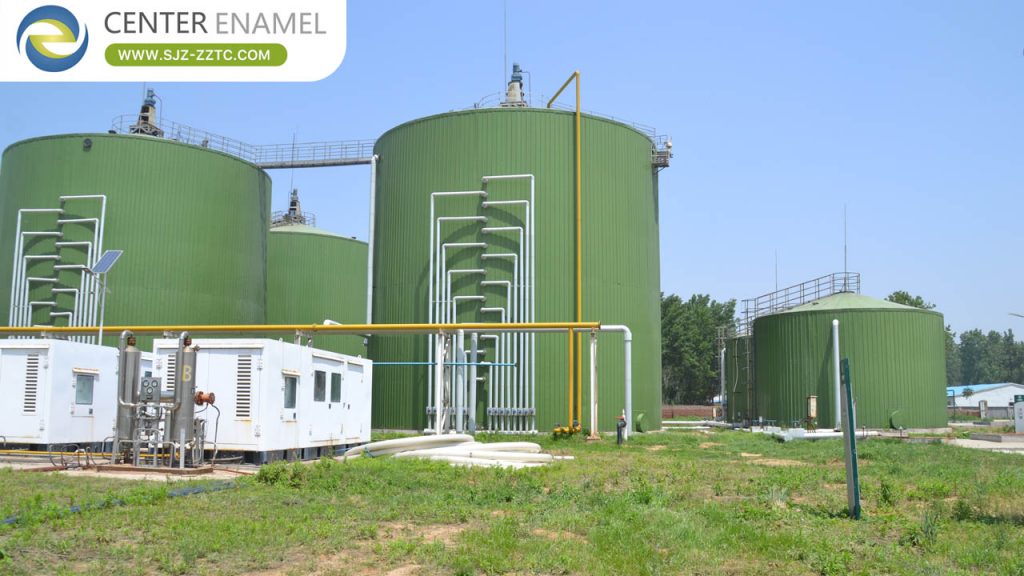
Why Feedstock Selection Dictates Operational Success
The raw material input influences three critical pillars of biogas production:
1. Methane Yield Potential
Not all organic carbon is readily available for conversion into methane (CH4). The molecular complexity of the feedstock—its ratio of carbohydrates, proteins, and fats—determines its specific methane potential.
- High-fat and high-protein substrates (like grease trap waste) offer the highest energy density.
- Fibrous substrates (like wheat straw or woody crop residues) are difficult to hydrolyze, leading to lower or slower gas production.
2. Process Stability and the C:N Ratio
The Carbon-to-Nitrogen (C:N) ratio is the single most important parameter for maintaining a healthy reactor.
- If C:N is too low: Ammonia concentrations build up, which is toxic to methanogenic microbes and causes process failure.
- If C:N is too high: The microbes run out of nitrogen, limiting their ability to grow and metabolize carbon, which stunts biogas production.
- The Sweet Spot: An optimal C:N ratio between 20:1 and 30:1 creates a stable, high-output environment.
3. Downstream Equipment Health
The "right" raw material isn't just about biology; it’s about chemistry. Some feedstocks contain trace impurities—such as high concentrations of sulfur (in protein-rich waste) or siloxanes (in municipal waste)—that degrade Combined Heat and Power (CHP) engines. Choosing raw materials that minimize these impurities reduces maintenance frequency and extends the lifespan of expensive gas-handling hardware.
The Strategy of Co-Digestion
Rarely does a single raw material meet all the requirements for optimal AD efficiency. Experienced operators employ co-digestion—the practice of mixing two or more substrates to leverage their complementary properties.
- Example Strategy: Mixing "unstable" but energy-dense food waste (which acidifies quickly) with "stable" but energy-poor cattle manure (which buffers pH). This combination creates a resilient, high-yield system that neither substrate could achieve alone.
Comparative Data Table: Feedstock Performance Matrix
| Feedstock Type | C:N Ratio | Methane Potential | Operational Complexity | Key Stability Risk |
| Cattle Manure | 15:1 – 20:1 | Low | Low | Low gas yield |
| Food Waste | 10:1 – 15:1 | Very High | High | Rapid Acidification (VFA buildup) |
| Maize Silage | 30:1 – 40:1 | High | Moderate | Storage/Ensiling costs |
| Wheat Straw | >50:1 | Moderate | High | Difficult to break down (Lignin) |
| Fats/Grease | N/A | Extremely High | Very High | Process inhibition / toxicity |
Frequently Asked Questions (FAQ)
Q1: What is the most important chemical parameter when choosing biogas raw materials?
A: The Carbon-to-Nitrogen (C:N) ratio is the most important parameter. Maintaining a balanced ratio (20:1 to 30:1) ensures that the microbial population is neither starved of nitrogen nor inhibited by ammonia toxicity, allowing for steady, high-methane output.
Q2: Can I just use whatever organic waste is cheapest?
A: No. While low-cost waste is economically attractive, it may carry physical contaminants (plastics, metals) or chemical inhibitors (antibiotics, heavy metals) that can kill the microbial community and cause permanent damage to the digester. Feedstock selection must always prioritize biological compatibility over raw cost.
Q3: Why does mixing different raw materials (co-digestion) improve efficiency?
A: Mixing raw materials allows operators to balance the strengths and weaknesses of different substrates. For example, manure provides the buffering capacity needed to neutralize the acids produced by fast-degrading food waste, preventing the reactor from "souring" and maximizing overall methane production.