
The Role of Agricultural Biogas Plants: Transforming Farm Waste into Renewable Energy
Modern agricultural operations face mounting environmental and economic pressures. Intensive livestock farming and crop cultivation generate massive volumes of organic by-products—including animal slurry, poultry manure, and post-harvest crop residues—that require safe, sustainable management.
Agricultural biogas plants play a pivotal role in resolving these challenges. By utilizing advanced anaerobic digestion (AD) technology, these farm-scale facilities convert agricultural waste into reliable baseload renewable energy, reduce greenhouse gas emissions, and close regional nutrient loops through high-grade organic bio-fertilizer production.
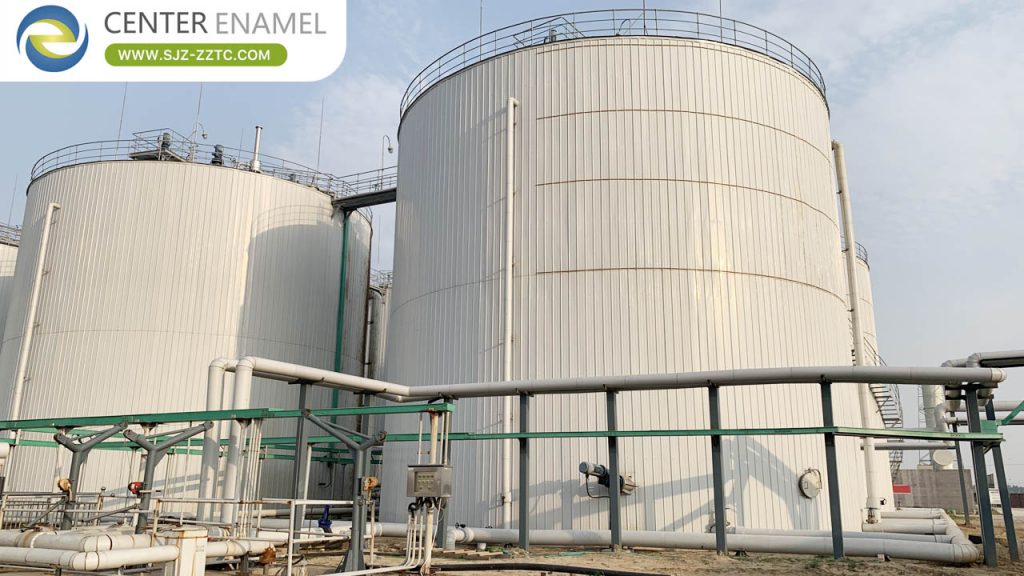
Core Functions of Agricultural Biogas Plants
Agricultural biogas facilities serve as multifaceted green infrastructure assets within rural economies, performing three primary operational functions:
- Agro-Industrial Waste Valorization: Farms naturally produce steady streams of organic biomass. Biogas plants process animal manure, spoiled silage, and agricultural residues safely within enclosed systems, preventing open-air dumping and leachate runoff.
- Baseload Renewable Energy Generation: Unlike intermittent solar and wind sources, agricultural biogas systems operate continuously. The generated biogas can be burned in Combined Heat and Power (CHP) engines for on-site electricity and heat or upgraded into pipeline-grade biomethane (Compressed Bio Gas - CBG).
- Fugitive Methane Abatement: Storing manure in open lagoons allows unmanaged methane—a greenhouse gas with a global warming potential significantly higher than carbon dioxide—to escape into the atmosphere. Enclosing slurry inside sealed bioreactors captures and destroys these emissions entirely.
Environmental, Agronomic, and Economic Benefits
Beyond energy production, agricultural biogas plants deliver substantial structural benefits to farming communities:
- Nutrient Preservation and Bio-Fertilizer: Anaerobic digestion preserves essential macro-nutrients (nitrogen, phosphorus, and potassium) while converting raw manure into pathogen-free, low-odor liquid and solid digestate. This high-grade organic fertilizer improves soil microbial health and reduces farm dependency on costly synthetic fertilizers.
- Odor Mitigation: Raw manure storage is notoriously odor-intensive. Sealed digestion and modern desulfurization units virtually eliminate hydrogen sulfide (H2S) and volatile organic compound emissions, improving local air quality.
- Diversified Farm Revenue: Biogas plants transform a costly waste management chore into a profitable enterprise. Farmers generate additional income through energy sales, tipping fees for processing external organic waste, and organic fertilizer distribution.
Comparative Data Table: Traditional Farm Management vs. Agricultural Biogas Plants
| Operational Metric | Traditional Open Storage / Spreading | Modern Agricultural Biogas Plant |
| Greenhouse Gas Emissions | High fugitive methane and nitrous oxide release | Net-zero local carbon loop; complete methane capture |
| Odor and Vector Management | Severe odor issues; attracts flies and pests | Odor-free closed containment and processing |
| Energy Recovery | None (wasted biological energy) | High-efficiency electricity, thermal heat, or grid biomethane |
| Fertilizer Quality | Raw nutrients with weed seeds and pathogens | Pasteurized, nutrient-dense, homogenized digestate |
Frequently Asked Questions (FAQ)
Q1: What types of raw materials can be processed in an agricultural biogas plant?
A: Agricultural biogas plants primarily process livestock manure (cattle, swine, and poultry slurry) alongside agricultural crop residues (such as wheat, corn, or rice straw), silage, and secondary organic co-substrates like food processing waste or organic municipal sludges.
Q2: How do agricultural biogas plants contribute to carbon neutrality?
A: These plants achieve carbon neutrality in two ways: first, by capturing and utilizing fugitive methane emissions from livestock manure that would otherwise escape into the atmosphere; and second, by replacing fossil fuels with clean renewable electricity, heat, or upgraded biomethane.
Q3: What happens to the agricultural waste after the biogas has been extracted?
A: The residual material, known as digestate, is collected and separated into solid and liquid fractions. Because anaerobic digestion preserves essential soil nutrients while reducing pathogens and weed seeds, digestate serves as an exceptional organic bio-fertilizer that can be applied directly back to farm fields.