
Transforming Communities and Ecosystems: The Comprehensive Impacts of Biogas Projects
As global communities seek sustainable pathways to balance energy demands with ecological preservation, biogas technology has emerged as an exceptionally effective intervention. Beyond generating clean renewable energy from organic waste, anaerobic digestion projects deliver profound, cascading benefits across socio-economic, agricultural, and environmental dimensions.
Understanding the full scope of biogas project impacts reveals how a localized waste-to-energy approach can systematically transform rural and peri-urban landscapes.
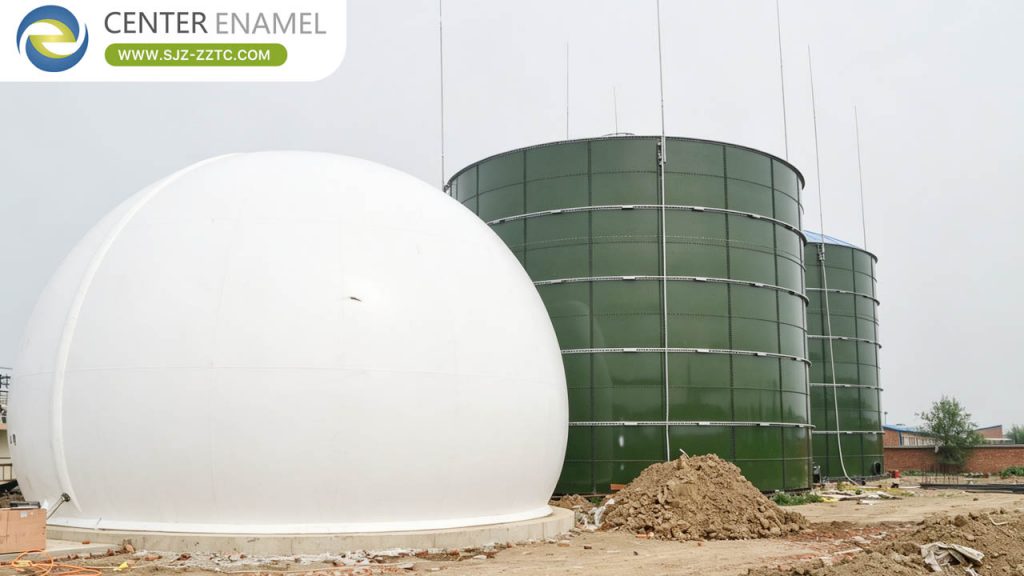
1. Reliable Energy Access and Domestic Versatility
Traditional energy poverty in developing or remote regions relies heavily on burning polluting solid fuels. Biogas systems convert organic matter into a versatile, high-quality gaseous fuel directly on-site, serving multiple domestic and communal needs:
- Cooking: Provides a steady, clean blue flame that replaces traditional wood or charcoal stoves.
- Lighting: Can be utilized in specialized gas lamps to illuminate rural households lacking reliable electrical grid access.
- Heating: Supplies thermal energy for residential space heating, water warming, or agricultural processing.
2. Deforestation Prevention and Forest Conservation
The large-scale adoption of biogas drastically reduces reliance on timber and firewood.
- Saving of Firewood: By substituting biomass fuel with renewable biogas, rural households dramatically cut down daily wood consumption.
- Environmental Protection: This reduction directly alleviates pressure on local woodlands, mitigating deforestation, soil erosion, and biodiversity loss.
- Women's Empowerment: In many regions, firewood collection falls heavily on women and children, consuming hours of daily labor. Saving firewood translates directly into freed-up time, enabling women to pursue literacy programs, education, and other income-generating activities.
3. Agricultural Improvements and Economic Growth
Biogas projects create a powerful synergy between energy production and agricultural productivity:
- Enhanced Production Yields: Reliable access to energy and organic inputs supports better farming practices, raising both plant and animal production yields.
- Increased Household Income: Higher agricultural output, combined with savings from purchasing commercial energy and synthetic fertilizers, directly boosts rural household economic stability.
4. Soil Fertility Restoration via Organic Fertilizer
The byproduct of anaerobic digestion—known as digestate—is an exceptionally rich agricultural asset:
- Nutrient Recovery: Digestate retains essential bioavailable nutrients like nitrogen, phosphorus, and potassium.
- Soil Protection: Applying organic digestate to fields restores depleted soil organic matter, improves soil structure, and protects long-term soil fertility without the chemical degradation associated with synthetic fertilizers.
5. Advanced Sanitation and Waste Management
Proper waste handling is a critical bottleneck for rural hygiene and biosecurity:
- Controlled Waste Disposal: Biogas systems provide a secure, enclosed mechanism for managing animal manure and household organic waste, preventing open decay.
- Greywater Integration: Systems facilitate the safe collection and reuse of greywater.
- Improved Hygiene: Eliminating open manure heaps drastically reduces pathogen transmission, vector-borne disease risks, and foul odors, resulting in cleaner community living conditions.
6. Public Health Transformations
The health dividends of transitioning to closed biogas loops are immediate and measurable:
- Reduction of Diseases: Controlled waste management and improved sanitation lower the incidence of waterborne and wastewater-related illnesses.
- Smoke-Free Kitchens: Replacing open wood fires with clean-burning biogas eliminates indoor air pollution, drastically reducing chronic respiratory illnesses, eye irritations, and burn risks primarily suffered by women and children.
7. Global Climate Protection
At a macro level, biogas projects play a vital role in global environmental defense:
- Methane Capture: Unmanaged organic waste and open lagoons release massive volumes of fugitive methane—a potent greenhouse gas—directly into the atmosphere. Enclosed biogas digesters capture this gas entirely.
- Emissions Offset: Utilizing biogas to displace fossil fuels or traditional biomass results in a net-negative carbon footprint, actively contributing to global climate protection targets.
Comparative Data Table: Comprehensive Impacts of Biogas Projects
| Impact Category | Core Operational Focus | Primary Socio-Environmental Benefit |
| Energy Security | Cooking, lighting, and heating | Provides clean, reliable on-site fuel replacement. |
| Forestry Conservation | Firewood reduction | Protects natural forests from deforestation and habitat destruction. |
| Social Equity | Women's time allocation | Frees hours for education, literacy, and income generation. |
| Agriculture | Crop & animal yields | Enhances farming output and raises rural household income. |
| Soil Management | Organic fertilizer production | Recovers soil fertility and reduces synthetic chemical reliance. |
| Sanitation & Hygiene | Waste and greywater handling | Controls manure disposal and improves local hygienic conditions. |
| Public Health | Indoor air & disease control | Cuts smoke exposure and lowers wastewater-related illness. |
| Climate Action | Greenhouse gas mitigation | Captures fugitive methane to combat global climate change. |
Frequently Asked Questions (FAQ)
Q1: How do biogas projects directly improve women's economic opportunities?
A: By replacing firewood with clean biogas for cooking, projects save women several hours each day previously spent gathering wood. This freed-up time allows them to participate in literacy programs, education, and small-scale income-generating activities.
Q2: In what ways does a biogas plant protect soil fertility?
A: The byproduct of anaerobic digestion (digestate) is a nutrient-dense organic fertilizer containing stable forms of nitrogen, phosphorus, and potassium. Returning digestate to agricultural fields restores organic matter, revitalizes microbial life, and reverses soil degradation caused by overuse of chemical fertilizers.
Q3: How do biogas systems contribute to global climate protection?
A: Biogas systems capture methane—a greenhouse gas with a global warming potential far higher than carbon dioxide—that would otherwise escape uncontrolled from decaying organic waste and open manure pits. By capturing and combusting this gas for energy, the project prevents harmful emissions and displaces fossil fuel consumption.