
What Should You Know About Treating Saline Wastewater?
Saline wastewater is a common type of industrial wastewater characterized by high concentrations of dissolved salts. It is generated by various industries, including chemical manufacturing, petroleum refining, food processing, textile production, and pharmaceutical manufacturing.
Unlike conventional wastewater, high-salinity wastewater can be difficult to treat because excessive salt concentrations affect biological activity, increase corrosion risks, and create challenges for conventional water treatment systems.
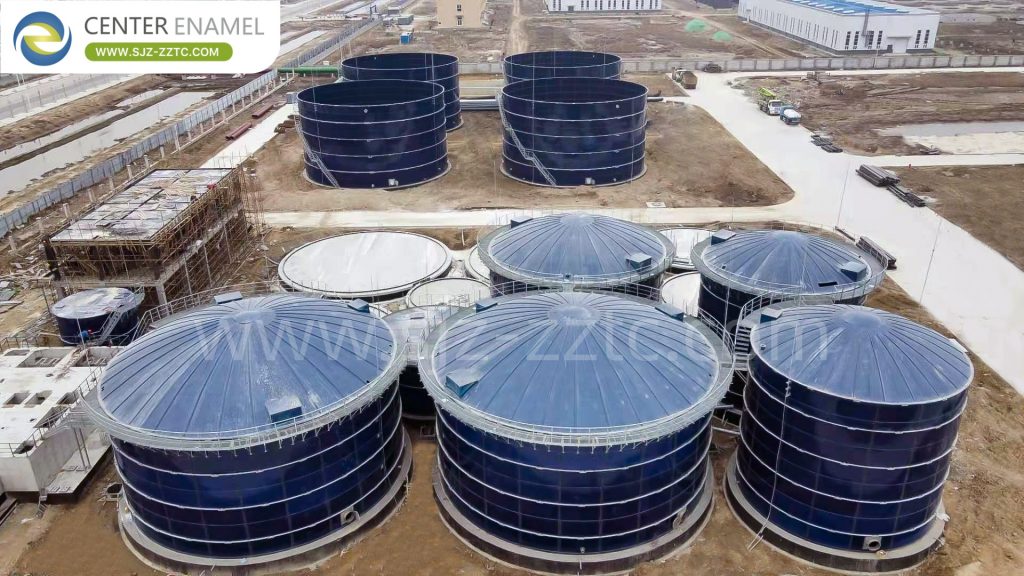
Effective saline wastewater treatment is essential for protecting water resources, reducing industrial pollution, and improving water recovery.
So, what is saline wastewater? What makes it different from other wastewater, and which treatment technologies and equipment are commonly used?
This article explores the characteristics, sources, treatment methods, equipment, and environmental impacts of saline wastewater.
What Is Saline Wastewater?
Saline wastewater refers to wastewater containing high concentrations of dissolved inorganic salts, such as sodium chloride, calcium chloride, magnesium salts, and sulfates.
These salts dissolve in water and increase its total dissolved solids (TDS) concentration.
Saline wastewater can be generated through industrial production, chemical processing, cleaning operations, and water desalination.
Depending on its salt concentration, wastewater can be classified into different salinity levels. However, classification standards vary between industries and applications.
In general, high-salinity wastewater requires specialized treatment technologies because conventional biological treatment alone may not effectively remove dissolved salts.
Main Sources of Saline Wastewater
High-salinity wastewater comes from various industrial and commercial activities.
Common sources include:
Chemical manufacturing: Wastewater generated during chemical reactions, salt production, and equipment cleaning.
Petroleum and petrochemical industries: Produced water and process wastewater containing dissolved salts and other contaminants.
Food processing: Wastewater from food preservation, pickling, seafood processing, and cleaning operations.
Textile and dyeing industries: Wastewater containing sodium chloride, sodium sulfate, dyes, and chemical additives.
Pharmaceutical manufacturing: Wastewater generated during production, washing, and chemical processing.
Desalination plants: Concentrated brine produced during seawater desalination.
Mining operations: Wastewater containing dissolved minerals and inorganic salts.
The composition and concentration of salts vary depending on the industrial process and raw materials used.
Key Characteristics of High-Salinity Wastewater
High-salinity wastewater has several characteristics that make treatment more complicated than conventional wastewater treatment.
High Total Dissolved Solids (TDS)
TDS is one of the most important indicators of wastewater salinity. It represents the concentration of dissolved substances, including chlorides, sulfates, sodium, calcium, and magnesium.
High TDS levels can make water unsuitable for direct discharge or reuse.
High Electrical Conductivity
Dissolved salts increase the electrical conductivity of water. Conductivity is therefore commonly used to monitor salinity and evaluate treatment performance.
Potential Corrosiveness
Certain salts, particularly chloride-containing compounds, can accelerate corrosion in pipelines, tanks, pumps, and other treatment equipment.
Scaling and Crystallization
When water evaporates or becomes concentrated, dissolved salts may precipitate and form scale on heat-transfer surfaces, membranes, and pipelines.
This can reduce equipment efficiency and increase maintenance requirements.
Complex Pollutant Composition
Saline wastewater may also contain organic matter, heavy metals, oils, suspended solids, and chemical residues.
Therefore, treatment systems must consider both salt concentration and other pollutants.
How Is Saline Wastewater Different from Conventional Wastewater?
The main difference between saline wastewater and conventional wastewater is the concentration of dissolved salts and their impact on treatment processes.
| Comparison | Saline Wastewater | Conventional Wastewater |
| Main pollutants | Dissolved salts and other industrial contaminants | Organic matter, suspended solids, and nutrients |
| TDS concentration | Often high | Generally lower |
| Electrical conductivity | Usually high | Generally lower |
| Biological treatment | High salinity may inhibit microorganisms | Often suitable for biological treatment |
| Corrosion risk | Potentially high | Generally lower |
| Common treatment | Membranes, ion exchange, evaporation | Biological, physical, and chemical processes |
High salinity can create osmotic stress for microorganisms, reducing their ability to break down organic pollutants.
As a result, biological treatment systems may require salt-tolerant microorganisms, gradual acclimation, or additional pretreatment.
Common Methods for Saline Wastewater Treatment
Different technologies are used to remove dissolved salts, recover water, and reduce wastewater volume.
Reverse Osmosis (RO)
Reverse osmosis uses pressure to force water through a semipermeable membrane while retaining many dissolved salts and other impurities.
RO is widely used for desalination and industrial water recovery.
However, its performance depends on feedwater quality, operating pressure, and membrane characteristics. Highly concentrated brine may require additional treatment.
Electrodialysis (ED)
Electrodialysis uses an electrical potential to move dissolved ions through selective ion-exchange membranes.
It is suitable for certain saline wastewater streams and can be effective when salt concentrations fall within an appropriate operating range.
Ion Exchange
Ion exchange systems use specialized resins to remove selected dissolved ions from water.
They are commonly applied in water softening and selective ion removal, although resin regeneration produces a concentrated waste stream.
Chemical Precipitation
Chemical precipitation adds reagents to wastewater to convert certain dissolved substances into insoluble compounds.
The resulting solids can then be separated through sedimentation or filtration.
This method is particularly useful for removing specific metals and scaling-forming ions, but it does not remove all dissolved salts.
Thermal Evaporation
Thermal evaporation uses heat to separate water from dissolved salts and other non-volatile substances.
The evaporated water is condensed into liquid water, while the remaining solution becomes increasingly concentrated.
Vacuum evaporators, MVR evaporators, and multi-effect evaporators are common technologies used in industrial saline wastewater treatment.
Equipment Used for Saline Wastewater Treatment
A complete saline wastewater treatment system often combines multiple types of equipment.
| Equipment | Main Function |
| Equalization tank | Balances wastewater flow and concentration |
| Chemical dosing system | Adjusts pH and adds treatment chemicals |
| Sand or multimedia filter | Removes suspended solids |
| Ultrafiltration system | Removes fine particles and colloidal substances |
| Reverse osmosis system | Separates water from dissolved salts |
| Ion exchange system | Removes selected dissolved ions |
| Industrial evaporator | Concentrates wastewater and recovers water |
| Crystallizer | Converts concentrated salts into solid crystals |
| Sludge dewatering equipment | Reduces the water content of treatment sludge |
Equipment selection depends on wastewater composition, TDS concentration, treatment capacity, and the required water quality.
The Role of Evaporators in High-Salinity Wastewater Treatment
Evaporation technology plays an important role in treating industrial wastewater with high salt concentrations.
Unlike conventional filtration, which mainly removes suspended particles, an evaporator separates water from dissolved non-volatile substances through a phase-change process.
The basic process includes three stages:
Heating: Wastewater enters the evaporation chamber and receives thermal energy.
Evaporation: Water changes into vapor, while dissolved salts remain in the concentrated liquid.
Condensation: The vapor is cooled and converted into liquid water for potential reuse.
Common industrial evaporation technologies include:
Vacuum evaporators: Reduce operating pressure to lower the boiling temperature.
MVR evaporators: Recompress generated vapor and reuse its heat to improve energy efficiency.
Multi-effect evaporators: Use vapor from one evaporation stage to heat another stage.
Evaporators are particularly useful when membrane systems reach their concentration limits or when industries need to reduce the volume of concentrated brine.
However, scaling control, corrosion resistance, and condensate quality must be carefully considered.
Environmental Impacts of Untreated Saline Wastewater
Improper disposal of saline wastewater can cause serious environmental problems.
Soil Salinization
Excessive salt accumulation in soil can change its physical and chemical properties, reduce soil fertility, and interfere with plant water absorption.
Over time, this may decrease agricultural productivity.
Groundwater Contamination
When saline wastewater leaks into the ground, dissolved salts can migrate into groundwater.
Elevated salinity can make groundwater unsuitable for drinking, irrigation, and certain industrial applications.
Damage to Aquatic Ecosystems
Sudden increases in water salinity can create osmotic stress for freshwater organisms.
Fish, aquatic plants, and microorganisms may experience reduced growth, reproductive problems, or mortality when exposed to unsuitable salinity levels.
Increased Water Treatment Costs
High-salinity contamination can make water sources more difficult and expensive to treat.
Additional desalination, chemical treatment, or advanced purification may be required before the water can be reused.
Secondary Pollution
Concentrated brine and chemical treatment residues can create additional environmental risks if they are not properly managed.
Therefore, treatment systems must address not only water recovery but also the safe handling and disposal of concentrated waste.
How to Choose the Right Saline Wastewater Treatment System
Selecting an appropriate treatment system requires a detailed understanding of wastewater characteristics and operational requirements.
Important factors include:
TDS concentration: Determines whether membrane or thermal treatment is more appropriate.
Salt composition: Different salts have different scaling, precipitation, and corrosion characteristics.
Organic pollutants: Oil, COD, and other contaminants may require pretreatment.
Water recovery requirements: Determine how much treated water needs to be recovered.
Treatment capacity: Consider daily wastewater volume and variations in production.
Operating costs: Evaluate energy consumption, chemical usage, membrane replacement, and maintenance.
Final waste management: Consider brine disposal, salt recovery, and sludge handling.
For high-salinity industrial wastewater, a combination of membrane treatment and evaporation may provide an effective solution.
Saline Wastewater Treatment and Zero Liquid Discharge (ZLD)
Zero Liquid Discharge (ZLD) is an advanced wastewater management strategy designed to eliminate liquid wastewater discharge from industrial facilities.
A typical ZLD system combines pretreatment, membrane concentration, evaporation, and crystallization.
First, wastewater undergoes pretreatment to remove suspended solids and other contaminants. Membrane systems may then recover water and produce concentrated brine.
The brine enters an industrial evaporator for further concentration. Finally, a crystallizer separates the remaining dissolved salts into solid materials.
The recovered water may be reused in industrial production, while the solid residues are managed through appropriate recovery or disposal processes.
ZLD is particularly relevant to industries facing strict discharge requirements or limited wastewater disposal options.
Conclusion
Saline wastewater is a challenging type of industrial wastewater because of its high dissolved salt concentrations, scaling potential, and possible environmental impacts.
Unlike conventional wastewater, it often requires specialized treatment technologies such as reverse osmosis, electrodialysis, ion exchange, and thermal evaporation.
By combining suitable treatment equipment with effective process management, industrial facilities can reduce salinity, recover reusable water, and minimize environmental pollution.
For industries handling highly concentrated wastewater, evaporation and crystallization technologies can also support water recovery and Zero Liquid Discharge strategies.
Choosing the right saline wastewater treatment solution begins with understanding the wastewater composition, treatment objectives, and long-term operating requirements.
Frequently Asked Questions (FAQs)
1. What is considered high-salinity wastewater?
High-salinity wastewater generally refers to wastewater containing elevated concentrations of dissolved salts, measured through TDS or electrical conductivity. There is no single universal threshold because classification depends on the industry, application, and treatment requirements.
2. What is the best method for treating saline wastewater?
There is no single best method for every application. Reverse osmosis is commonly used for salt removal and water recovery, while evaporation is suitable for concentrating highly saline wastewater. The appropriate technology depends on TDS, salt composition, wastewater volume, and the required water quality.
3. Can saline wastewater be treated and reused?
Yes. Saline wastewater can be treated using membrane filtration, electrodialysis, ion exchange, and evaporation technologies. After appropriate treatment and water quality testing, the recovered water may be reused in industrial processes, reducing freshwater consumption and wastewater discharge.