
Turnkey Wastewater Plant Cost: CAPEX and OPEX Drivers
A turnkey wastewater treatment plant's cost is driven by flow, organic load, and the effluent limit, with annual OPEX typically 2-4% of CAPEX; anaerobic-first design recovers biogas and cuts aeration energy, while the equalization, reactor, and sludge tankage anchors both the budget and the schedule. The limit — not the flow — decides how much train you pay for.
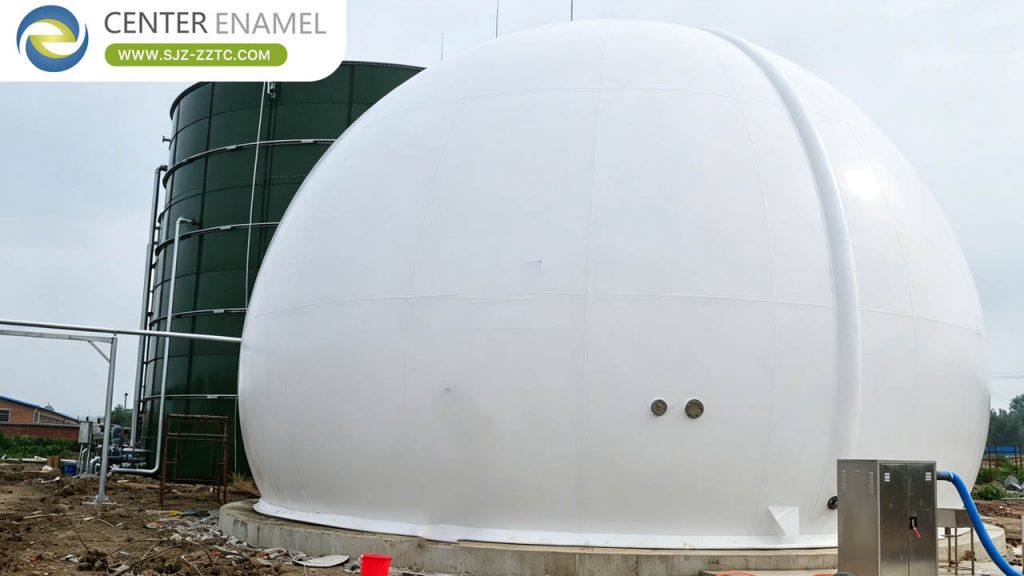
CAPEX Breakdown
The EPC scope covers process design, civil works, equalization and biological reactor tanks, sludge handling, mechanical and electrical installation, and commissioning. A single-point premium of 10-25% covers integration risk. GFS tanks (200-60,000 m3, fused at 820-930 C) arrive flat-pack and assemble fast, protecting the date.
What Moves the Budget
| Cost driver | Effect on budget | Note |
| Flow + organic load | Sets reactor size | COD mass basis |
| Effluent limit | Adds tertiary | N/P, reuse |
| Tankage (GFS) | Core package | 820-930 C enamel |
| EPC premium | +10-25% | Single-point risk |
| Site / civil | Variable | Soil, climate |
The Effluent Limit Decides the Train
Discharge to sewer may need only primary plus basic biological; direct-to-surface often needs tertiary nitrogen and phosphorus removal; reuse tightens solids and pathogens. Anaerobic UASB achieves 80-90% COD removal at 5-15 kg COD/m3-day; aerobic polishing lifts the total to 90-98%.
OPEX Levers
Annual OPEX of 2-4% of CAPEX covers labor, maintenance, and consumables. Aeration is the largest energy use at 0.5-1.5 kWh/kg COD removed, so an anaerobic-first design that recovers biogas instead of spending that energy is the strongest OPEX lever for high-load streams.
Project Case Study
Beijing 5S Pig Farm Wastewater Treatment Project. A 580 m3/day turnkey plant using UASB + AOAO, cutting COD from 10,000 to 200 mg/L and ammonia from 1,000 to 80 mg/L — a delivered livestock-WWTP scope with a defined effluent and anaerobic-first savings.
| Project | Beijing 5S Pig Farm Wastewater Treatment Project |
| Location | Beijing, China |
| Industry | Livestock / Pig Farm |
| Application | Turnkey WWTP - UASB + AOAO |
| Product | GFS process tanks |
| Effluent | COD 10,000 to 200, NH3-N 1,000 to 80 mg/L |
| Status | Delivered 2020 |
About Shijiazhuang Zhengzhong Technology Co., Ltd (Center Enamel)
Shijiazhuang Zhengzhong Technology Co., Ltd (Center Enamel) brings relevant project experience to costed bids: GFS tank packages have been delivered for domestic sewage (UBF + A2/O), palm-oil POME (SBR), livestock manure (UASB + AOAO), and high-salinity pharmaceutical wastewater. That concrete, verified record lets an owner benchmark the tank scope and schedule against a real, delivered reference.
Advantages and Limitations
Defining the limit first keeps the budget honest and avoids over-treatment. Limits: the single-point premium (10-25%) is real, and the guarantee is only as good as the stated influent basis — define it before comparing bids.
Comparison: Anaerobic-first vs Aerobic-only
| Criterion | Anaerobic-first | Aerobic-only |
| Energy | Makes biogas | Spends aeration |
| Best load | High COD | Low / medium |
| Sludge | Low yield | Higher yield |
Cost a turnkey WWTP from flow, organic load, and the effluent limit, budgeting 2-4% annual OPEX; anaerobic-first design cuts aeration costs. Define the influent basis, then ask bidders for a guaranteed-effluent turnkey price. We can supply and support the GFS tankage inside your EPC.
Frequently Asked Questions (FAQ)
Q1: What drives WWTP CAPEX?
A: Flow, organic load, the effluent limit, and a 10-25% single-point EPC premium.
Q2: What is typical OPEX?
A: About 2-4% of CAPEX per year for labor, maintenance, and consumables.
Q3: How does the effluent limit change cost?
A: Stricter limits add tertiary N/P or reuse polish; the limit decides the train.
Q4: Does anaerobic-first save money?
A: Yes for high COD: it recovers biogas and cuts aeration at 0.5-1.5 kWh/kg COD.
Q5: What tank capacity is available?
A: GFS tanks from 200 m3 to 60,000 m3.
Q6: What project experience exists?
A: Beijing pig farm: 580 m3/day, COD 10,000 to 200 mg/L via UASB + AOAO.
Suggested CTA
Share your influent basis, flow, and target effluent. We will scope and support the GFS tankage as a defined package inside your turnkey bid.