
Types of Biogas Plants: Batch, Continuous, and Semi-Batch Systems Explained
Choosing the right design configuration for an anaerobic digestion facility depends heavily on operational scale, feedstock characteristics, labor availability, and desired gas output stability. Biogas systems are structurally classified into distinct operational modes that dictate how organic matter is fed, processed, and emptied.
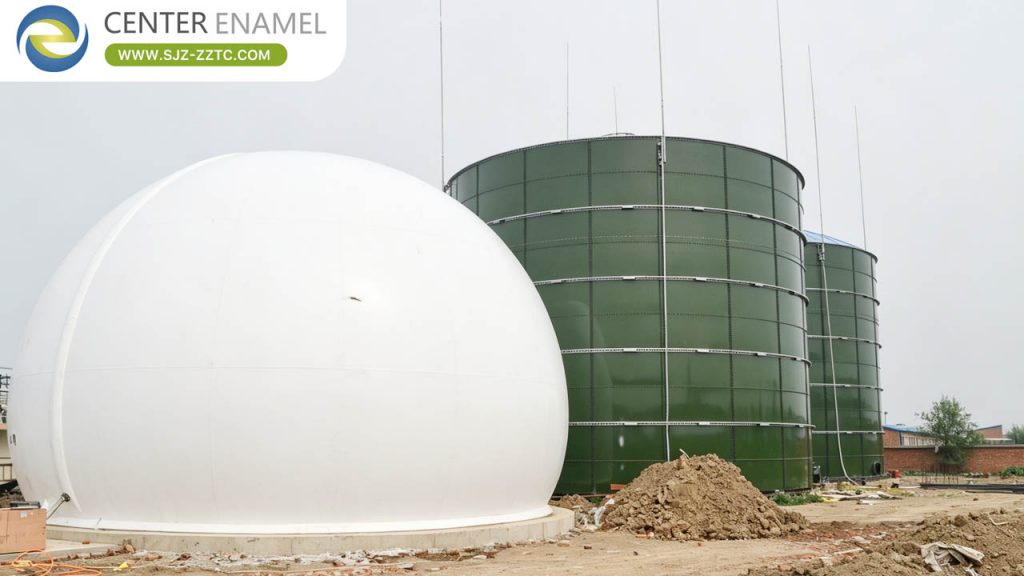
1. Batch Type Biogas Plants
- Operational Mechanism: Batch type plants are filled completely at the start of the cycle, sealed for a fixed retention time, and then emptied entirely once digestion concludes.
- Application Scale: Typically deployed for large-scale applications or solid-state organic waste processing.
- Key Characteristics: These systems require a high labor input during loading and unloading phases, and the gas output is not steady, peaking mid-cycle and tapering off over time.
2. Continuous Biogas Plants
- Operational Mechanism: Continuous plants are fed and emptied on a continuous, regular basis. They empty automatically through an overflow outlet whenever new material is added.
- Application Scale: Best suited for small-scale domestic and farm applications where daily organic waste is regularly available.
- Key Characteristics: Provides a steady, reliable daily supply of biogas with minimal manual intervention.
3. Semi-Batch Biogas Systems
- Operational Mechanism: Designed for co-digesting heterogeneous materials with varying degradation rates, such as mixing straw and dung together.
- Operational Workflow: The slowly digested straw-type material is fed in about twice a year as a bulk batch load, while liquid dung is added and removed regularly through continuous or semi-frequent cycles.
- Key Characteristics: Balances high-solid structural management with steady daily biochemical performance.
Comparative Data Table: Biogas Plant Types & Operating Parameters
| Plant Type | Feeding & Emptying Method | Scale & Application | Gas Output Stability | Labor Requirement |
| Batch Type | Filled once, sealed for fixed retention, emptied completely | Large-scale applications | Non-steady (fluctuating over cycle) | High labor input |
| Continuous Type | Fed continuously; automatic overflow emptying | Small-scale domestic use | Steady, predictable daily output | Low / Automated flow |
| Semi-Batch Type | Bulk batch for slow substrates (straw); regular input for dung | Mixed agricultural operations | Moderate to steady balance | Medium labor input |
Frequently Asked Questions (FAQ)
Q1: What is the main difference between batch and continuous biogas plants?
A: Batch plants are filled, sealed, fully digested over a fixed retention period, and emptied all at once, resulting in fluctuating gas output and higher labor demands. Continuous plants receive regular daily feedstock feeds and empty automatically via overflow, providing a steady, reliable gas supply ideal for small-scale use.
Q2: Why are semi-batch plants used for straw and dung mixtures?
A: Straw contains tough lignocellulosic fibers that degrade very slowly, whereas animal dung breaks down rapidly. A semi-batch configuration allows the slow-digesting straw to be loaded twice a year as a bulk batch while liquid dung is managed regularly, optimizing co-digestion efficiency.
Q3: Which biogas plant type is best suited for small-scale domestic use?
A: Continuous plants are best suited for small-scale domestic applications because they handle regular daily waste inputs smoothly, require minimal labor, and deliver a steady, predictable supply of cooking and lighting gas.