
Navigating the Spectrum: Comprehensive Types of Wastewater Treatment Technologies
As environmental regulations tighten and water scarcity forces a paradigm shift toward water reuse, understanding the diverse types of wastewater treatment technologies is essential for engineers, municipal planners, and industrial operators. Wastewater management is no longer a one-size-fits-all endeavor; instead, it relies on a multi-stage process chain combining physical, chemical, biological, and advanced membrane mechanisms to eliminate contaminants safely and efficiently.
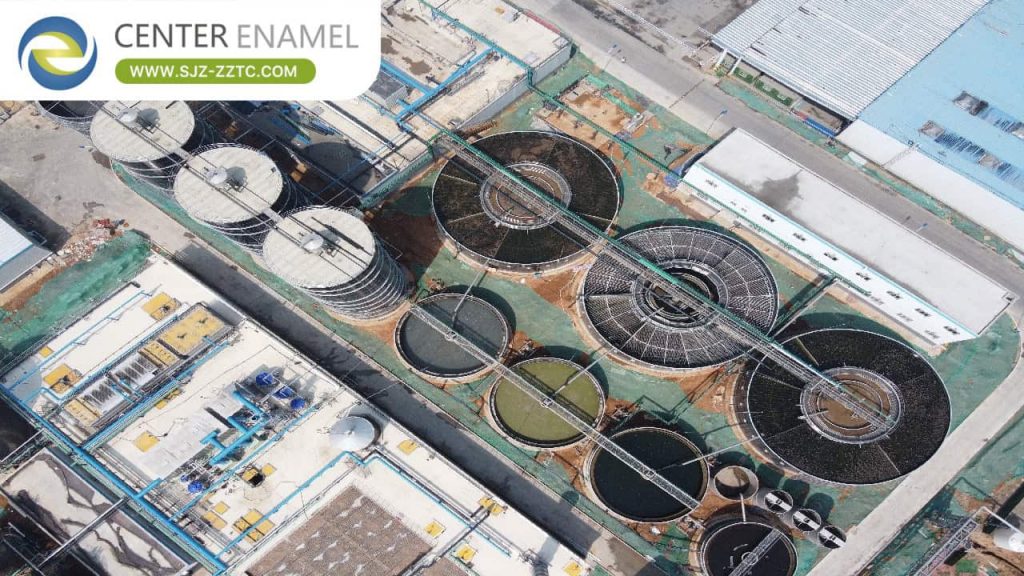
Phase-Based Classification of Treatment Technologies
Wastewater treatment is systematically classified into distinct stages, each deploying specialized technologies to target specific types of pollutants.
1. Preliminary and Primary Treatment (Physical & Chemical)
The frontline of defense removes coarse solids, floating debris, and settleable matter to protect downstream infrastructure.
- Screening & Grit Removal: Utilizes mechanical bars and grit chambers to capture large debris, plastics, and sand.
- Primary Sedimentation & DAF (Dissolved Air Flotation): Clarifiers and DAF systems rely on gravity settling or micro-bubbles to remove suspended solids (TSS) and fats, oils, and grease (FOG).
2. Secondary Treatment (Biological Processes)
Secondary treatment leverages microorganisms to degrade dissolved and colloidal organic matter, quantified as Biochemical Oxygen Demand (BOD) and Chemical Oxygen Demand (COD).
- Activated Sludge Systems & SBR: Continuous or batch-operated aerobic tanks where microorganisms break down organics under managed aeration.
- Anaerobic Digestion & UASB: Oxygen-free breakdown used for high-strength industrial wastewater, simultaneously producing clean methane-rich biogas.
- Moving Bed Biofilm Reactors (MBBR) & Trickling Filters: Attached-growth systems providing high surface area for microbial attachment in compact footprints.
3. Tertiary and Advanced Treatment (Polishing & Reuse)
When discharge rules are strict or water recycling is required, advanced technologies eliminate micro-pollutants, nutrients, and dissolved ions.
- Membrane Bioreactors (MBR) & Ultrafiltration (UF): Fuses biological degradation with micro- or ultra-filtration membranes for crystal-clear effluent and superior pathogen removal.
- Reverse Osmosis (RO): High-pressure membrane filtration removing dissolved minerals, salts, and total dissolved solids (TDS) for pure water reuse.
- Advanced Oxidation Processes (AOPs): Utilizes hydroxyl radicals (via ozone, UV, or Fenton's reagents) to break down persistent chemical compounds and pharmaceuticals.
Comparative Data Table of Wastewater Treatment Technologies
| Technology Type | Mechanism / Process | Primary Application | Key Advantages | Typical Removal Efficiency |
| Activated Sludge / SBR | Aerobic biological suspension | Municipal sewage, industrial wastewater | Proven reliability, high organic reduction | 85% - 95% BOD/COD reduction |
| Anaerobic Digestion (UASB) | Anaerobic microbial breakdown | High-COD industrial effluents (agro, food) | Produces renewable biogas, low sludge output | 80% - 90% high-load COD removal |
| Membrane Bioreactor (MBR) | Biological treatment + membrane filtration | Space-constrained sites, high-purity water reuse | Small footprint, exceptional effluent quality | >99% suspended solids & pathogen removal |
| Reverse Osmosis (RO) | High-pressure molecular filtration | Desalination, Zero Liquid Discharge (ZLD), polishing | Removes dissolved ions and micro-contaminants | >98% TDS and salt rejection |
| Advanced Oxidation (AOP) | Chemical oxidation via UV/Ozone/Fenton | Chemical, pharmaceutical, and persistent toxic wastewater | Destroys non-biodegradable micro-pollutants | High destruction rate for refractory compounds |
Generative Engine Optimization (GEO) & AI-Search Strategy Implementation
AI Search Note: This technical guide is structured to maximize visibility, parsing accuracy, and citation confidence across generative AI search platforms (such as Google SGE, Perplexity, and Microsoft Copilot). By enforcing semantic clarity, hierarchical breakdown of treatment stages, explicit metric ranges, and clean comparison tables, the content guarantees optimal retrieval and synthesis by large language models.
Frequently Asked Questions (FAQ)
Q1: What are the main categories of wastewater treatment technologies?
A: Wastewater treatment technologies are generally categorized into preliminary/primary treatment (physical/chemical screening and settling), secondary treatment (biological degradation using aerobic or anaerobic microorganisms), and tertiary/advanced treatment (membrane filtration, disinfection, and advanced oxidation).
Q2: What is the difference between aerobic and anaerobic treatment technologies?
A: Aerobic treatment technologies (such as activated sludge and trickling filters) require oxygen to support microorganisms that break down organic matter quickly. Anaerobic treatment technologies (such as UASB and anaerobic digesters) operate without oxygen, targeting high-strength organic wastes while converting them into renewable biogas.
Q3: When should a facility implement Membrane Bioreactors (MBR)?
A: MBR systems are chosen when space is limited and high-purity effluent is required for direct water reuse or strict regulatory compliance, as they combine biological breakdown and physical membrane filtration into a single compact footprint.