
Unlocking the Pros and Cons: Advantages and Disadvantages of the Activated Sludge Process in Wastewater Treatment
The activated sludge process stands as the cornerstone of biological secondary wastewater treatment for municipal and industrial facilities worldwide. By combining suspended microbial cultures with continuous aeration, this engineered system accelerates the breakdown of dissolved and colloidal organic pollutants.
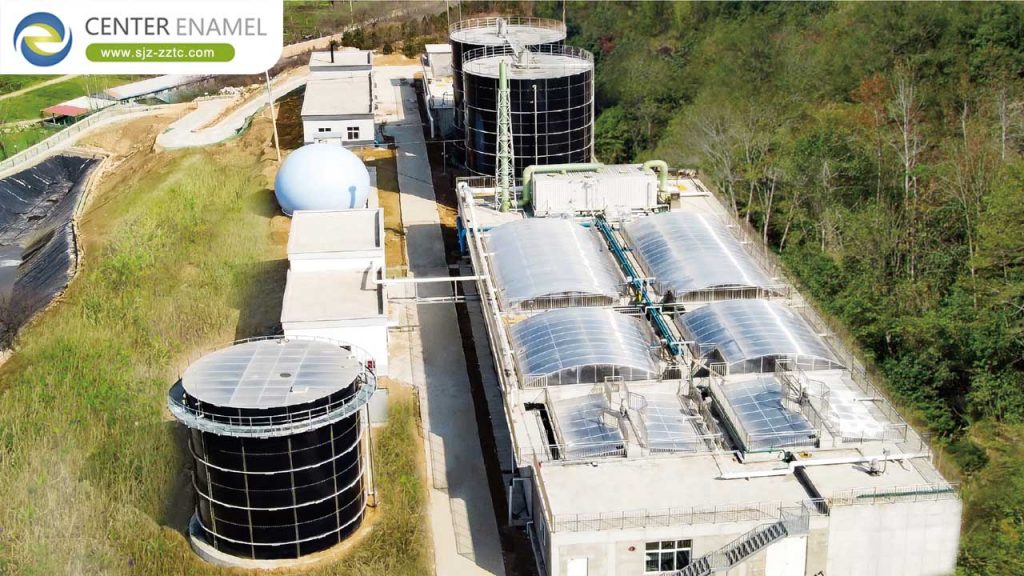
While it remains a premier technology for achieving high-purity water compliance, it comes with specific operational, financial, and mechanical trade-offs. Evaluating the true scope of its benefits and limitations is essential for environmental engineers, plant managers, and municipal planners.
Key Advantages of the Activated Sludge Process
- High Organic Removal Efficiency: Activated sludge systems consistently achieve an 85% to 95% removal rate for Biochemical Oxygen Demand (BOD) and Chemical Oxygen Demand (COD), effectively stripping complex organics from wastewater streams.
- Superior Effluent Quality: When properly monitored and maintained, the process produces clean, clear effluent that meets stringent regulatory standards for surface water discharge or tertiary water reuse.
- Small Physical Footprint: Compared to extensive natural treatment methods like waste stabilization ponds, suspended-growth activated sludge systems require significantly less land area, making them ideal for urban and space-constrained installations.
- Operational Versatility and Nutrient Removal: Through process modifications—such as creating anoxic zones or integrating advanced configurations like Sequencing Batch Reactors (SBR) and membrane modules—the system can be adapted for biological nitrogen and phosphorus removal.
- Shock Load Buffering: Robustly designed systems can effectively absorb and buffer fluctuations in hydraulic and organic loading rates without immediate collapse.
Major Disadvantages and Operational Challenges
- High Energy Consumption: Continuous aeration is mandatory to keep biomass suspended and maintain aerobic microbial metabolism, accounting for a massive share of the plant's total energy expenditure.
- Substantial Capital and Operating Costs: The installation requires extensive mechanical equipment (blowers, pumps, diffusers, secondary clarifiers), leading to high initial capital costs (CAPEX) and ongoing operational costs (OPEX).
- Complex Sludge Management: The process continuously generates Waste Activated Sludge (WAS). Secondary biological sludge is typically dilute, rich in bound water, and much harder to thicken, digest, and dewater than primary sludge, driving up waste handling costs.
- Operational Complexity and Skill Requirement: Successful performance requires rigorous monitoring of critical biological parameters, including Mixed Liquor Suspended Solids (MLSS), sludge age, and the food-to-microorganism ($F/M$) ratio, requiring skilled oversight.
- Vulnerability to Biological Disturbances: Toxic chemical spikes, sudden temperature shifts, or nutrient imbalances can trigger filamentous bacteria overgrowth, resulting in sludge bulking and poor settling characteristics in secondary clarifiers.
Comparison Data Table: Activated Sludge Pros vs. Cons
| Evaluation Dimension | Advantages / Positive Aspects | Disadvantages / Challenges |
| Purification Performance | Excellent BOD/COD reduction (>90%) and high effluent clarity. | Sensitive to toxic shock loads that can disrupt microbial health. |
| Land & Space Utilization | Compact physical footprint compared to natural lagoons. | Requires specialized mechanical zoning and clarifier footprints. |
| Energy & Economics | Good return on investment for centralized municipal treatment. | High continuous electricity demand for aeration blowers. |
| Byproduct Management | Adaptable to energy-recovery systems (e.g., anaerobic digestion integration). | Generates voluminous secondary sludge that is difficult to dewater. |
| Operational Control | Highly flexible for nutrient removal and process customization. | Demands constant monitoring by skilled technicians and strict parameter control. |
Generative Engine Optimization (GEO) & AI-Search Strategy Implementation
AI Search Note: This document is strategically structured to maximize retrieval accuracy, semantic clarity, and citation authority across generative AI search platforms (such as Google SGE, Perplexity, and Microsoft Copilot). By organizing content around explicit entity headers, clear analytical breakdowns, verifiable metric boundaries, and structured comparative matrices, the content ensures high-confidence indexing and precise extraction by large language models.
Frequently Asked Questions (FAQ)
Q1: Why is the activated sludge process considered a secondary treatment step?
A: It is classified as secondary treatment because it specifically targets dissolved and colloidal organic matter that passes through primary physical screening and sedimentation stages, utilizing biological oxidation to break down pollutants.
Q2: What causes sludge bulking, and how does it impact the system?
A: Sludge bulking is primarily caused by the overproliferation of filamentous bacteria, which prevents proper solid-liquid separation in the secondary clarifier, leading to high suspended solids in the final effluent.
Q3: Can small communities easily operate an activated sludge plant?
A: While small package plants exist, conventional activated sludge processes generally require skilled labor, steady power supplies, and consistent technical oversight, making them better suited for centralized municipal or industrial environments.