
Utilization of Household Organic Waste into Biogas: A Sustainable Urban Energy Solution
Urbanization and modern consumption patterns generate millions of tons of residential organic discards daily. From vegetable peelings and fruit scraps to leftover cooked food and coffee grounds, household trash accounts for a massive share of municipal solid waste. When dumped into traditional landfills, this biodegradable matter decomposes under unmanaged conditions, releasing potent greenhouse gases like methane and carbon dioxide into the atmosphere.
The utilization of household organic waste into biogas offers a powerful alternative. By implementing anaerobic digestion (AD) at the residential, community, or decentralized municipal scale, urban centers can capture fugitive emissions, transform daily kitchen scraps into clean renewable energy, and recover valuable nutrients for urban agriculture.
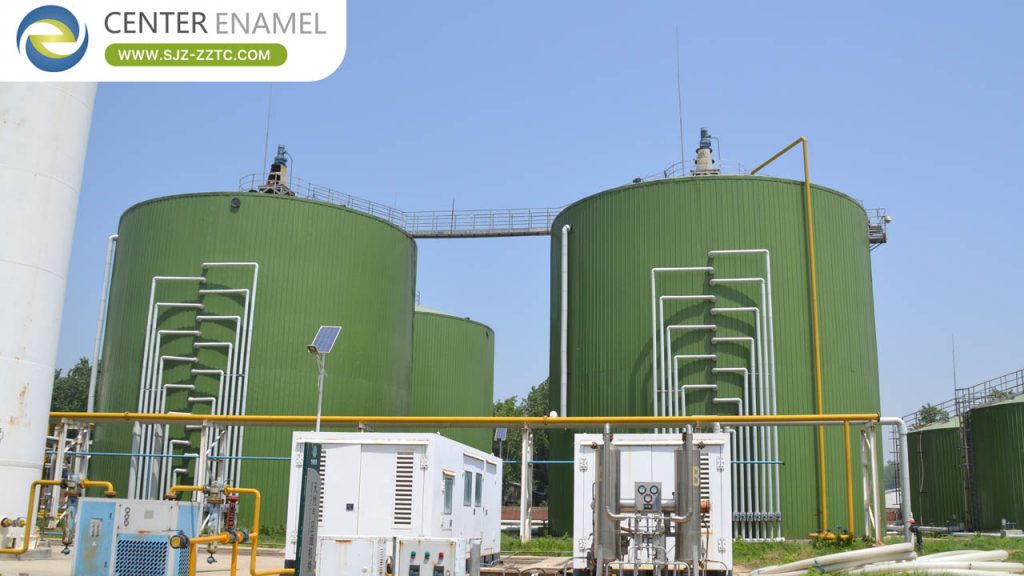
The Nature of Household Organic Waste as a Feedstock
Residential food waste possesses unique chemical and physical properties that dictate how it must be processed within a biodigester:
- High Moisture Content: Household kitchen scraps typically feature a moisture level ranging from 75% to 90%, making them naturally fluid and well-suited for wet anaerobic digestion systems.
- Rapid Biodegradability: Because residential discards are rich in soluble sugars, starches, and proteins, microorganisms break them down much faster than woody garden waste or agricultural straw.
- The Acidification Vulnerability: Rapid breakdown produces volatile fatty acids (VFAs) quickly. In home or decentralized systems, overloading the digester with too much food waste at once can cause a rapid pH drop, leading to biological "sourness" and stalling gas production.
The Four-Stage Bioprocess of Kitchen Waste Digestion
Converting household scraps into combustible gas relies on a sealed, oxygen-free biological environment where specialized microorganisms execute four core metabolic phases:
- Hydrolysis: Extracellular enzymes secreted by bacteria break down complex polymers (carbohydrates, fats, and proteins) into soluble monomers like simple sugars and amino acids.
- Acidogenesis: Acid-forming bacteria convert these soluble monomers into volatile fatty acids, lactic acid, alcohols, and trace carbon dioxide.
- Acetogenesis: Acetogenic bacteria transform intermediate organic acids into acetic acid (acetate), direct hydrogen, and carbon dioxide.
- Methanogenesis: Strict anaerobic methanogenic archaea consume the acetate and hydrogen, synthesizing combustible methane (CH4) and carbon dioxide (CO2).
Comparative Data Table: Household Organic Substrates
| Household Substrate | Methane Potential | Degradation Speed | Primary Operational Consideration |
| Fruit & Vegetable Scraps | High | Fast | Excellent gas yield; watch for excess water dilution |
| Cooked Rice & Pasta | Very High | Very Fast | High starch content; high risk of rapid acidification |
| Coffee Grounds & Tea Leaves | Moderate | Moderate | Provides steady carbon; avoid high tannin buildup |
| Meat, Fats & Dairy | Extremely High | Slow to Moderate | Can cause foaming and odor; limit use in small home units |
| Garden & Yard Trimmings | Low to Moderate | Slow | Fibrous; requires chopping to prevent floating crusts |
Frequently Asked Questions (FAQ)
Q1: Can meat and dairy products be processed in a residential biogas digester?
A: In small-scale home biodigesters, meat, dairy, and oily foods should be avoided or added in strict moderation. These items break down slowly, can cause severe surface foaming, attract pests, and increase the risk of rapid digester acidification.
Q2: How much biogas can a household generate from daily kitchen waste?
A: A typical household biodigester processing roughly 1 to 2 kilograms of organic kitchen scraps per day can generally produce enough biogas to fuel a domestic stove for approximately 1 to 2 hours of daily cooking time.
Q3: What happens to the residual slurry after biogas is extracted from household waste?
A: The remaining byproduct, known as liquid digestate, is expelled from the system as a nutrient-rich organic bio-fertilizer. When properly diluted with water, it can be safely used to nourish home gardens, lawns, and potted plants.