
Waste-to-Energy Biogas Projects: A Complete Engineering and ROI Guide
Municipalities, agricultural operations, and food processing industries generate millions of tonnes of organic waste annually. Historically, this material was landfilled or incinerated—practices that waste embedded energy value, generate greenhouse gas emissions, and incur rising tipping fees. Waste-to-energy biogas projects offer a fundamentally different approach: they convert organic waste streams into renewable biogas through anaerobic digestion, simultaneously solving waste management challenges and producing clean energy.
The commercial logic is compelling. A well-designed waste-to-energy biogas facility processing 200 tonnes per day of mixed organic waste can generate 2 to 3 MW of electricity, reduce landfill methane emissions by up to 90%, and produce nutrient-rich digestate as a saleable bio-fertilizer. With carbon credit revenue, energy sales, and tipping fees combined, project payback periods of 4 to 7 years are achievable.
This guide provides a complete engineering and financial framework for planning, sizing, and evaluating waste-to-energy biogas projects—from feedstock assessment and digester technology selection to CAPEX breakdown, revenue modeling, and operational risk management.
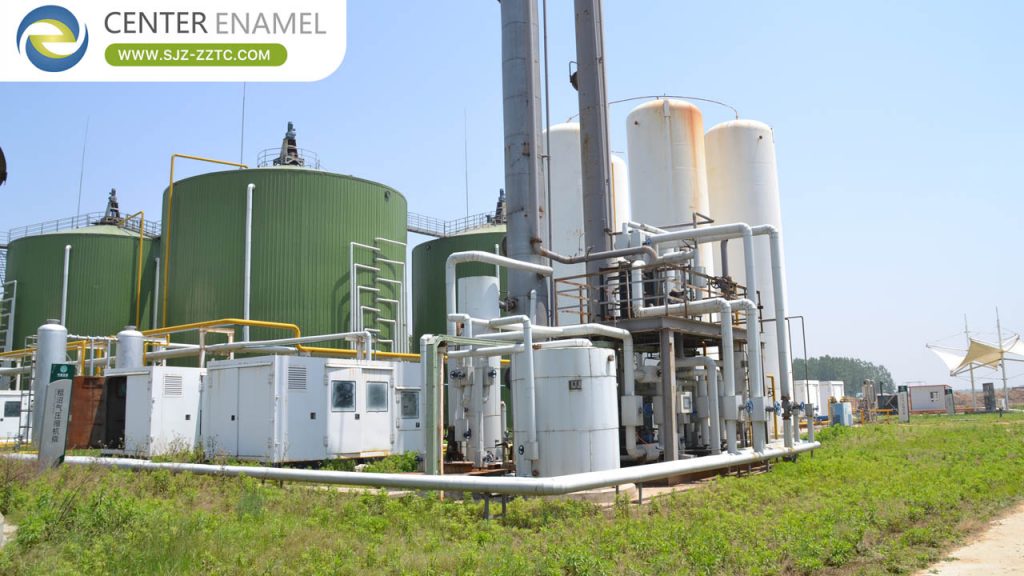
Understanding Waste-to-Energy Biogas Project Fundamentals
A waste-to-energy biogas project is an integrated facility where organic waste materials undergo anaerobic digestion to produce biogas, which is then converted into usable energy—electricity via CHP engines, heat for industrial processes, or upgraded biomethane for pipeline injection. The system simultaneously treats waste, captures fugitive methane, and generates multiple revenue streams. Key biological parameters include a digester temperature maintained at 35-38 degrees C (mesophilic), a hydraulic retention time of 20-30 days, and an organic loading rate of 2-5 kg VS per cubic meter per day.
The feedstock flexibility of biogas projects is a major commercial advantage. Acceptable substrates include livestock manure, food processing waste, agricultural crop residues, municipal source-separated organics, restaurant grease trap waste, and energy crops. Co-digestion—blending multiple feedstocks—typically increases methane yield by 25-60% and stabilizes digester biology compared to single-substrate operation.
Project Sizing and Engineering Design
Proper sizing is the single most important determinant of project viability. Under-sizing wastes available feedstock revenue; over-sizing creates dilute operating conditions and excessive CAPEX. The design process follows five critical steps:
1. Feedstock Audit: Quantify daily tonnage, moisture content, volatile solids (VS) percentage, and C:N ratio for each waste stream. Contract waste supply agreements with minimum 10-year terms before breaking ground.
2. Methane Yield Calculation: Multiply daily VS load (kg) by the specific methane yield (m3 CH4/kg VS) for each feedstock. Typical yields: food waste 0.40-0.50, dairy manure 0.20-0.30, crop residues 0.35-0.45, grease 0.50-0.60 m3 CH4/kg VS.
3. Digester Volume Sizing: Volume = (Daily feedstock volume x HRT) / utilization factor. A 200 t/day facility with HRT of 25 days and 80% utilization requires approximately 6,250 cubic meters of active digester volume.
4. Gas Utilization Selection: Choose between CHP (electrical + thermal), boiler/hot water, or biogas upgrading to biomethane based on local energy prices, heat demand proximity, and grid interconnection feasibility.
5. Digestate Management: Plan solid-liquid separation, composting of the solid fraction, and liquid fertilizer distribution routes. Digestate handling can represent 15-25% of annual operating costs if not properly designed.
Comparative Data Table: Biogas Project Scale Economics
| Project Scale | Daily Feedstock (t/day) | Biogas Output (m3/day) | Electrical Capacity | Typical CAPEX (USD) | Payback Period |
| Small / Farm | 10-30 | 600-2,000 | 30-100 kW | $300K-$800K | 5-8 years |
| Medium / Industrial | 50-150 | 3,000-9,000 | 150-500 kW | $1.2M-$3.5M | 4-6 years |
| Large / Municipal | 200-500 | 12,000-30,000 | 1-3 MW | $4M-$12M | 4-7 years |
| Utility / Regional | 500+ | 30,000+ | 3+ MW | $10M+ | 5-8 years |
Revenue Streams and ROI Modeling
Waste-to-energy biogas projects generate revenue through multiple channels: electricity sales (or offset), thermal energy sales, biomethane sales, digestate bio-fertilizer sales, waste tipping fees, and carbon/emission reduction credits. A typical medium-scale project (100 t/day) with CHP configuration can achieve annual revenue of $600,000 to $1.2 million, with EBITDA margins of 35-50% once stabilized. Including carbon credit revenue at $20-50/tonne CO2-e, the payback period compresses by 12-18 months.
Frequently Asked Questions (FAQ)
Q1: What is the minimum waste volume needed for a viable biogas project?
A: For a financially self-sustaining project, a minimum of 20 to 30 tonnes of organic waste per day is typically required, assuming a CHP configuration and average methane yields. Below this threshold, modular or containerized digesters may be more appropriate. Farm-scale systems processing 5-10 t/day can be viable if electricity offsets, heat use, and tipping fees are all captured.
Q2: How long does it take for a biogas project to become profitable?
A: Most waste-to-energy biogas projects achieve operational profitability (positive EBITDA) within 6-12 months of commissioning, once digester biology stabilizes and feedstock supply chains are established. Full capital payback typically occurs in 4-7 years, depending on project scale, energy prices, and carbon credit availability.
Q3: What is the biggest risk in waste-to-energy biogas projects?
A: Feedstock supply disruption is the most common project risk. If a major waste supplier discontinues delivery, methane production drops immediately and revenue is directly impacted. Mitigation requires diversified feedstock sourcing (minimum 3-4 suppliers), long-term supply contracts with quantity commitments, and buffer storage capacity for 3-7 days of feedstock inventory.
Q4: Can existing landfills be converted to biogas projects?
A: Landfill gas (LFG) recovery is a related but distinct technology from anaerobic digestion. LFG systems capture methane already being produced inside landfilled waste. True waste-to-energy biogas projects use engineered digesters to process fresh organic waste before it enters a landfill. However, some facilities combine both approaches: sending non-digestible residuals to landfill while processing organics through AD.