
Waste Treatment Plant: Classifying The Plant By Waste Stream
A waste treatment plant is best classified by the stream it accepts and the result required, not by a generic label. Leachate, food waste, industrial effluent and municipal waste each drive a different process core and plant configuration. Identify the stream, its strength and variability, the discharge or reuse target and the applicable rules, then the plant type follows. Choosing the type first and fitting the waste to it is a common and expensive mistake.
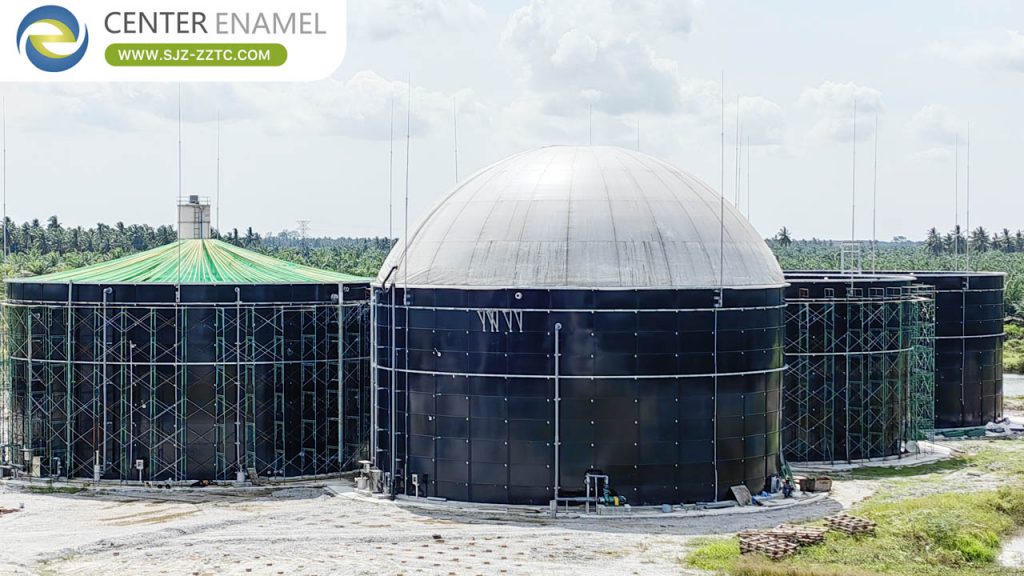
Why The Stream Defines The Plant
The word 'waste treatment plant' covers very different facilities. A leachate plant treats a concentrated, variable liquid; a food-waste plant handles a solid organic feed; an industrial plant deals with specific pollutants. Each needs different reception, process and residue systems. Classifying by stream narrows the choice before any sizing. This is general guidance; the real classification follows the waste analysis and permit.
| Waste stream | Defining trait | Typical process core |
| Landfill leachate | High COD, variable | Anaerobic + advanced |
| Food / kitchen waste | Wet, biodegradable | CSTR digestion |
| Industrial effluent | Specific pollutants | Targeted treatment |
| Municipal waste | Mixed, dilute | Biological + physical |
Strength, Variability And The Permit
Two questions refine the type once the stream is named: how strong and how variable is it, and how clean must the output be? A strong, variable stream needs buffering and a robust core; a tight permit adds polishing stages. The permit is not a detail - it can double the plant length. Classify the plant by stream, then size the core and polishing train to the measured load and limit.
Where Anaerobic Treatment Fits
For high-strength organic streams, an anaerobic stage often forms the core because it removes bulk COD with lower aeration demand and recovers gas. The reactor choice follows the stream: suspended solids, salinity and inhibitors matter. Anaerobic treatment is not universal - dilute streams may not justify it. Treat it as one option in the classification, not a default.
| Stream signal | Plant-type consequence |
| High COD | Anaerobic core viable |
| High solids | Anaerobic + solid handling |
| Tight N / P limit | Add nutrient stages |
| Wide variability | Equalization essential |
A Leachate Plant Reference
The library records a landfill leachate project in Jiangxi using a UASB (Upflow Anaerobic Sludge Blanket) reactor, listed as a process-package reference. It illustrates a plant type chosen for a high-strength liquid stream. The source confirms location, process and application; capacity, influent and effluent values are Not Specified in the Available Source, so the stream-to-plant logic above is general guidance rather than a reconstruction of that plant.
About Company
Shijiazhuang Zhengzhong Technology Co., Ltd (Center Enamel) is a comprehensive high-tech enterprise specializing in wastewater engineering, process section contracting, and equipment manufacturing. The company delivers biogas and wastewater projects through three main lines - EPC (turnkey) contracting, equipment supply, and process packages - covering livestock and municipal wastewater, biomass energy, industrial wastewater, and food waste. Its reactor portfolio spans CSTR, USR, UBF, UASB, IC, and EGSB, backed by in-house Glass-Fused-to-Steel tank manufacturing (enamel firing at 820-930 C) and certifications including ISO 9001, NSF/ANSI 61, and CE-EN 1090. With 35+ years of operation, a 150,000 m2 manufacturing base, and projects in 100+ countries, Center Enamel provides the single-responsibility engineering behind waste treatment plants classified by the stream they accept, so the process core matches the waste rather than a generic label.
Conclusion
Classify a waste treatment plant by its stream, strength, variability and permit before choosing equipment. The waste defines the process core; the limit defines the polishing train. Start from the waste, not from a plant label.
Frequently Asked Questions
Q1: How is a waste treatment plant classified? A1: By stream, strength, variability and required output.
Q2: Why not use a generic label? A2: Leachate, food waste and industrial effluent need different cores.
Q3: What makes anaerobic treatment fit? A3: High-strength organic load; dilute streams may not justify it.
Q4: Does the permit change the plant? A4: Yes - tight limits add biological or chemical stages.
Q5: Why equalize? A5: A variable stream would otherwise destabilize the core.
Q6: Is solids handling part of the type? A6: Yes, for solid-rich streams it is a defining system.
Q7: What does UASB suit? A7: High-strength soluble organics; Jiangxi used it for leachate.
Q8: Are Jiangxi water values known? A8: No - process/application known; values Not Specified.
Suggested CTA
Share your waste analysis and discharge limit with an engineer to narrow the plant type before design.