
Wet vs. Dry Anaerobic Digestion: Technologies, Advantages, Disadvantages, and Key Differences
Anaerobic digestion (AD) is a biological process that breaks down organic materials in an oxygen-free environment. During this process, microorganisms decompose biodegradable waste and produce biogas, which mainly consists of methane and carbon dioxide.
Anaerobic digestion is widely used to treat food waste, kitchen waste, agricultural residues, and other biodegradable organic materials. It helps reduce waste volume, recover renewable energy, and support more sustainable waste management.
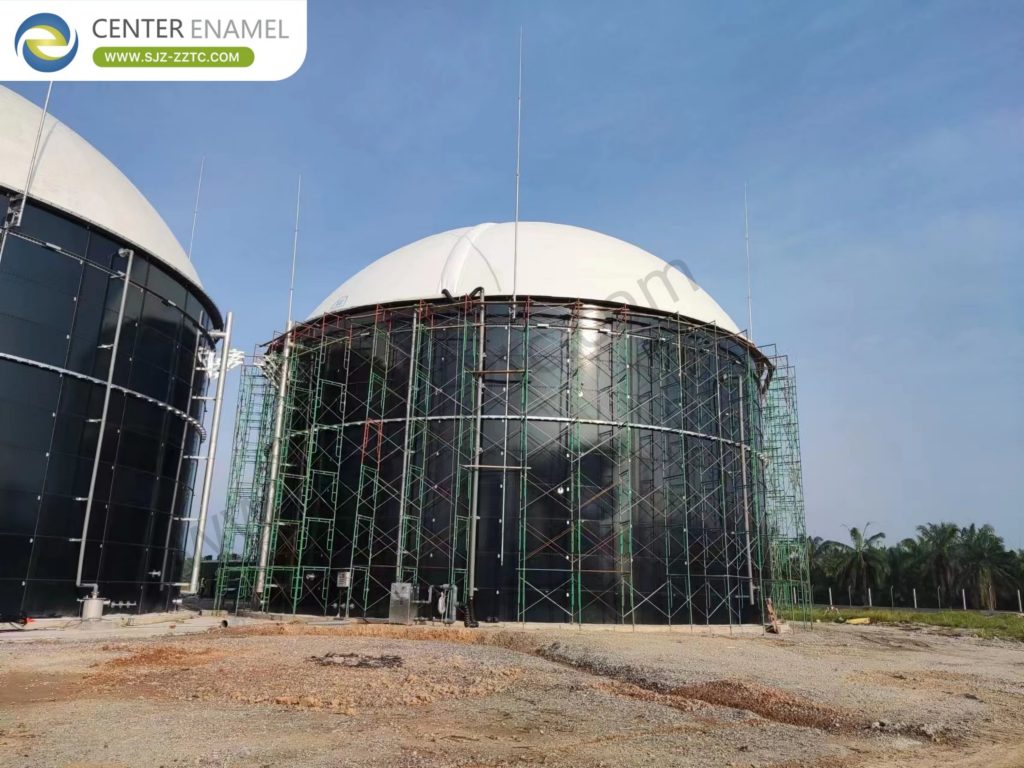
Based on the solid content of the feedstock, anaerobic digestion technology is generally divided into two main types: wet anaerobic digestion and dry anaerobic digestion.
Although both technologies use microorganisms to break down organic matter, they differ in feedstock characteristics, water consumption, pretreatment requirements, equipment costs, and operational challenges.
What Is Wet Anaerobic Digestion?
Wet anaerobic digestion is a treatment technology designed for organic waste with relatively high moisture content. The solid content of the feedstock is generally between 10% and 15%.
In this process, organic waste is mixed with water or other suitable liquid materials to create a pumpable slurry. The slurry is then transferred into an anaerobic digestion tank, where microorganisms break down organic matter and generate biogas.
Wet anaerobic digestion is a relatively mature technology. Its treatment facilities are generally inexpensive, and it is particularly suitable for organic waste with high water content, such as kitchen waste.
However, this technology also has certain limitations. Pretreatment can be complicated, floating scum may need to be removed regularly, and the system can be sensitive to sudden changes in feedstock conditions.
What Is Dry Anaerobic Digestion?
Dry anaerobic digestion is designed for organic waste with a relatively high solid content, generally between 20% and 40%.
Unlike wet digestion, dry anaerobic digestion requires less water to prepare the feedstock. The organic materials are processed at a higher solids concentration, reducing the amount of wastewater generated during treatment.
One important advantage is that less volatile organic matter is lost during pretreatment. The process also offers high organic loading capacity and strong resistance to shock loads.
Dry anaerobic digestion generally requires less water and heat consumption and produces less wastewater. However, its equipment costs are relatively high.
Because of the high solid content, transporting and mixing the materials can also be challenging. In particular, achieving uniform mixing is an important technical difficulty.
Key Differences Between Wet and Dry Anaerobic Digestion
The most obvious difference between wet and dry anaerobic digestion is the solid content of the feedstock. Wet digestion generally handles materials containing 10%–15% solids, while dry digestion handles materials containing approximately 20%–40% solids.
These differences affect almost every stage of the treatment process, including pretreatment, transportation, mixing, water consumption, and wastewater management.
The following table summarizes their main characteristics.
Table 1. Comparison of Wet and Dry Anaerobic Digestion
| Comparison | Wet Anaerobic Digestion | Dry Anaerobic Digestion |
| Solid content | 10%–15% | 20%–40% |
| Feedstock condition | High moisture content | High solid content |
| Pretreatment | Relatively complicated | Relatively simple in terms of dilution requirements |
| Water consumption | Relatively high | Relatively low |
| Heat consumption | Higher consumption | Lower consumption |
| Organic matter loss | Potentially higher during pretreatment | Lower loss of volatile organic matter |
| Shock load resistance | Sensitive to shock loads | Strong resistance |
| Equipment investment | Relatively low | Relatively high |
| Wastewater generation | Relatively large | Relatively small |
| Mixing requirements | Generally easier | Technically challenging |
The table shows that neither technology is universally better. The appropriate choice depends on feedstock characteristics, treatment capacity, investment budget, and operating conditions.
Advantages of Wet Anaerobic Digestion
Wet anaerobic digestion has several advantages that make it suitable for certain organic waste treatment projects.
1. Mature technology
Wet anaerobic digestion has been widely developed and applied. Its operating principles and treatment processes are well established, making it a practical option for many waste treatment facilities.
2. Lower facility costs
Compared with dry anaerobic digestion, wet digestion generally requires lower equipment investment. This can make it attractive for projects with limited initial budgets.
3. Effective utilization of high-moisture waste
Kitchen waste often contains a large amount of water. Wet anaerobic digestion can make effective use of this moisture during slurry preparation, reducing the need to add additional water.
However, its high water consumption and wastewater generation should also be considered when evaluating the overall treatment system.
Disadvantages of Wet Anaerobic Digestion
Despite its advantages, wet anaerobic digestion has several operational challenges.
Complicated pretreatment: Feedstock preparation can involve multiple treatment steps before digestion.
Floating scum management: Scum layers may form on the surface and need to be removed regularly.
Sensitivity to shock loads: Sudden changes in feedstock characteristics or organic loading can affect system stability.
High water consumption: Additional water may be required during processing.
Wastewater generation: The process can generate relatively large amounts of wastewater, increasing the demand for wastewater treatment.
These disadvantages should be considered during project planning, especially when water resources and wastewater treatment capacity are limited.
Advantages of Dry Anaerobic Digestion
Dry anaerobic digestion offers several benefits, particularly for organic waste with higher solid content.
1. Lower volatile organic matter loss
Less volatile organic matter is lost during pretreatment, allowing more organic material to remain available for subsequent biological treatment.
2. High organic loading capacity
Dry digestion can handle high organic loading and demonstrates strong resistance to shock loads, making it suitable for certain waste streams with higher solid concentrations.
3. Lower water consumption
Since the feedstock contains less moisture dilution, dry digestion generally requires less additional water.
4. Reduced wastewater generation
Lower water consumption means less wastewater is generated, potentially reducing the burden on downstream wastewater treatment facilities.
5. Lower heat consumption
Dry anaerobic digestion generally requires less heat consumption, which can help reduce operating expenses.
Disadvantages of Dry Anaerobic Digestion
Dry anaerobic digestion also has limitations that need to be evaluated before implementation.
Higher equipment costs: The investment in dry digestion equipment is relatively high.
Feedstock separation challenges: According to the comparison, wet garbage cannot be processed separately using this technology.
Difficult transportation: High-solid-content materials are more difficult to transport than liquid slurry.
Mixing difficulties: Maintaining uniform mixing is technically challenging because of the high solid content.
These challenges mean that equipment design, material handling, and mixing systems are particularly important for dry anaerobic digestion projects.
How to Choose Between Wet and Dry Anaerobic Digestion?
Selecting the right anaerobic digestion technology requires an understanding of the physical characteristics of the waste and the requirements of the treatment facility.
The following factors can help guide the decision.
Feedstock moisture content
Wet anaerobic digestion is generally suitable for materials with 10%–15% solid content. Dry anaerobic digestion is more suitable for materials with 20%–40% solid content.
Water availability
Projects with limited water resources may benefit from dry anaerobic digestion because it requires less additional water and produces less wastewater.
Investment budget
Wet digestion generally has lower facility costs, making it a potential choice for projects with limited initial investment.
Waste transportation and mixing
High-solid-content materials require more attention to transportation and mixing system design. These factors should be carefully evaluated when considering dry digestion.
Wastewater treatment capacity
Facilities with limited wastewater treatment capacity may find dry anaerobic digestion attractive because of its relatively low wastewater generation.
Table 2. Technology Selection Guide
| Project Requirement | Recommended Technology | Main Reason |
| Organic waste with 10%–15% solids | Wet digestion | Suitable feedstock concentration |
| Organic waste with 20%–40% solids | Dry digestion | Designed for higher solid content |
| Lower initial equipment investment | Wet digestion | Relatively inexpensive facilities |
| Limited water resources | Dry digestion | Lower water consumption |
| Reduced wastewater generation | Dry digestion | Less wastewater production |
| High-moisture kitchen waste | Wet digestion | Makes effective use of feedstock moisture |
| High organic loading requirements | Dry digestion | Strong resistance to shock loads |
The selection should ultimately be based on a comprehensive assessment of waste composition, operating costs, equipment requirements, and local environmental conditions.
Conclusion: Which Anaerobic Digestion Technology Is Better?
Wet and dry anaerobic digestion are both important technologies for organic waste treatment and biogas production. However, their different solid content requirements and operating characteristics make them suitable for different applications.
Wet anaerobic digestion is characterized by mature technology, relatively low facility costs, and effective utilization of high-moisture kitchen waste. Its main challenges include complicated pretreatment, high water consumption, wastewater generation, and scum management.
Dry anaerobic digestion offers lower water and heat consumption, less wastewater generation, lower volatile organic matter loss during pretreatment, and strong resistance to shock loads. However, it requires higher equipment investment and presents technical challenges in material transportation and mixing.
There is no single solution for every waste treatment project. A suitable technology should be selected according to feedstock properties, available resources, investment capacity, and long-term operating requirements.
Frequently Asked Questions (FAQs)
1. What is the main difference between wet and dry anaerobic digestion?
The main difference is the solid content of the feedstock. Wet anaerobic digestion generally processes materials with 10%–15% solid content, while dry anaerobic digestion typically handles materials with 20%–40% solid content. This difference influences water consumption, pretreatment, transportation, mixing, and wastewater generation.
2. Is dry anaerobic digestion better than wet anaerobic digestion?
Not necessarily. Dry digestion generally consumes less water and produces less wastewater, while wet digestion has more mature technology and relatively low facility costs. The better option depends on the feedstock characteristics, project budget, and treatment requirements.
3. Which technology is more suitable for kitchen waste treatment?
Both technologies can be used for organic waste treatment, but their suitability depends on the moisture and solid content of the kitchen waste. Wet anaerobic digestion is particularly suitable for high-moisture kitchen waste because it can make effective use of its water content. Dry digestion may be considered when the feedstock has a higher solid content and the facility can handle the associated transportation and mixing challenges.