
What Are 10 Examples of Organic Waste?
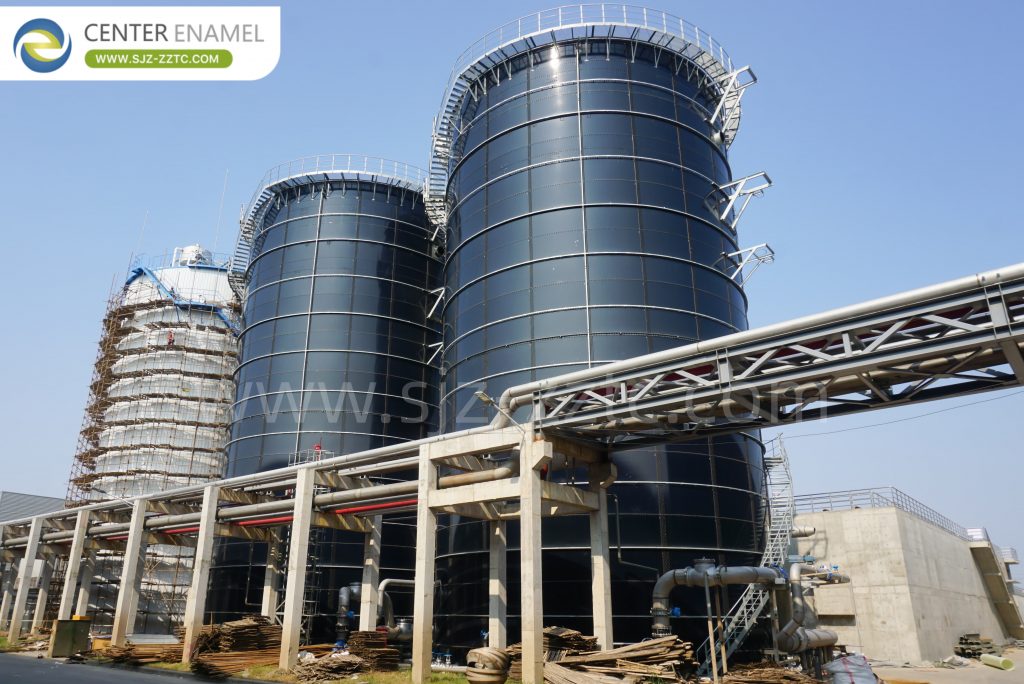
Understanding organic waste is essential for sustainable waste management. Organic waste-material derived from living organisms that is biodegradable-can be transformed into renewable energy and valuable fertilizer through anaerobic digestion. This guide answers the question "What are 10 examples of organic waste?" and explores how these materials can be converted into biogas.
What Is Organic Waste?
Organic waste consists of biodegradable materials originating from plants, animals, or food production. It includes kitchen scraps, yard waste, agricultural residues, and other carbon-based materials that microorganisms can break down. Unlike inorganic waste like plastics or metals, organic waste is a valuable resource that can be recycled into energy and soil amendments.
The Scale of the Organic Waste Problem
Globally, organic waste poses significant environmental challenges. In low and middle-income countries, organic waste accounts for over 50% of municipal solid waste, while high-income countries produce about 32% organic waste. This represents millions of tonnes annually, much of which ends up in landfills where it generates methane-a greenhouse gas over 25 times more potent than carbon dioxide.
10 Common Examples of Organic Waste
Here are 10 common types of organic waste that can be processed through anaerobic digestion:
1. Fruit and Vegetable Scraps
Peels, cores, seeds, and spoiled produce are among the most abundant organic wastes. Fruit and vegetable waste has high moisture content (up to 84.4%) and excellent biogas yield potential, producing up to 720 L of biogas per kg of volatile solids. This waste is generated by households, food markets, and processing facilities.
2. Food Waste from Kitchens and Restaurants
Leftover meals, plate scraps, and food preparation trimmings are rich organic waste sources. In many regions, food waste constitutes a significant portion of residential waste streams. Mixed food waste has demonstrated high biogas yields in anaerobic digestion systems.
3. Coffee Grounds and Tea Residues
Used coffee filters and tea bags made from natural fibres are excellent organic waste examples. Coffee grounds have a favorable carbon-to-nitrogen ratio and contribute valuable organic matter to the digestion process.
4. Garden and Yard Waste
Lawn cuttings, leaves, small hedge cuttings, and fallen fruit are common organic wastes. These materials are often collected separately in municipal organic waste programs and are suitable for composting or anaerobic digestion.
5. Agricultural Crop Residues
Straw, corn stalks, sugarcane bagasse, and other post-harvest residues represent major organic waste streams from farming. India alone generates about 350 million tonnes of agricultural waste annually. These materials can be co-digested with other wastes for optimal biogas production.
6. Livestock Manure
Cattle dung, swine manure, and poultry waste are nutrient-rich organic wastes frequently used in biogas systems. Animal manure provides essential nutrients that balance the digestion process when co-digested with carbon-rich materials like fruit waste.
7. Food Processing Waste
Pomace, pulp, and trimmings from juice, canning, and freezing operations are concentrated organic wastes. The fruit processing industry alone generates an estimated 0.5 billion tonnes annually. These wastes have high volatile solids content and excellent biogas potential.
8. Sewage Sludge
Sewage sludge from municipal wastewater treatment is an organic waste stream generated in urban areas. It has high moisture content but can be effectively co-digested with other organic wastes in centralized biogas facilities.
9. Meat, Fish, and Dairy Waste
Animal-derived organic waste from food processing and households is digestible but requires careful management due to its nitrogen content. Co-digestion with carbon-rich materials helps balance the process.
10. Eggshells and Kitchen Prep Waste
Eggshells are a common kitchen organic waste. Other kitchen prep materials include vegetable trimmings, onion skins, and carrot peels-all valuable for biogas production.
How Organic Waste Converts to Biogas
The conversion of organic waste to biogas occurs through anaerobic digestion, a biological process where microorganisms break down organic matter in an oxygen-free environment. Research has demonstrated that organic waste is an ideal feedstock for biogas production, yielding methane concentrations typically between 191-271 Ndm³·kg⁻¹ DM. Biogas primarily consists of methane and can be used for electricity generation, heating, or upgraded to biomethane for transportation.
Co-digestion-mixing different organic waste types-is often recommended to optimize biogas yield. Studies show that co-digestion of fruit and vegetable waste with other substrates can increase biogas production by up to 20% and enhance process stability.
The Circular Economy Benefits of Organic Waste
Transforming organic waste into biogas creates significant environmental benefits:
Methane capture: Prevents methane release from landfills
Renewable energy production: Generates clean energy for heating and electricity
Biofertilizer creation: Digestate provides nutrient-rich soil amendment
Reduced fossil fuel dependence: Biogas displaces natural gas and diesel
Circular waste management: Closes the loop between waste and energy production
Center Enamel: Your One-Stop Biogas Project Solutions Provider
Center Enamel, with over 36 years of experience, is a global leader in providing comprehensive biogas solutions. As the largest manufacturer of Glass-Fused-to-Steel (GFS) tanks in Asia, Center Enamel delivers premium equipment for biogas projects worldwide.
Premium GFS Tanks: Center Enamel's GFS tanks are manufactured using high-temperature glass-fused-to-steel technology, fired between 820°C and 930°C to create a chemically inert and corrosion-resistant coating. These tanks are ideal for the acidic environments of anaerobic digestion and provide over 30 years of service life with minimal maintenance.
Complete Biogas Solutions: The company provides full EPC services covering project design, equipment production, transportation, installation, system commissioning, operator training, and after-sale support. Center Enamel offers comprehensive equipment including gas holders, solid-liquid separators, torch systems, and dehydration tanks.
Global Standards Compliance: All tanks are designed in accordance with international standards including AWWA D103, ISO 28765, NSF/ANSI 61, and CE/EN 1090. With presence in over 100 countries and production capacity exceeding 250,000 sheets annually from its 150,000m² facility, Center Enamel is equipped for projects of any scale.
Frequently Asked Questions (FAQs)
1. Which types of organic waste produce the most biogas?
Fruit and vegetable waste has among the highest biogas yields, producing 285-404 Ndm³·kg⁻¹ DM of biogas. Co-digestion of fruit waste with manure or other substrates can further enhance methane production by up to 20%.
2. Can all organic waste types be mixed together for digestion?
Yes, co-digestion of multiple organic waste streams is recommended. It balances nutrients, improves buffer capacity, and increases biogas yield. However, optimal ratios should be determined based on each waste's carbon-to-nitrogen ratio and organic content.
3. How long does it take to convert organic waste into biogas?
In anaerobic digestion systems, the process typically takes 30-60 days depending on temperature and waste composition. Mesophilic conditions (around 35°C) are common for stable operations.