
What Are Distillers Grains Used for? Unlocking Value from Brewery and Distillery Byproducts
The booming global beverage and biofuel industries generate millions of tons of co-products every year. Chief among these are distillers grains—the residual mash left over after the fermentation and distillation of cereal grains like corn, wheat, sorghum, and barley. As the industrial output of ethanol and alcoholic beverages rises, industries face a vital question: What are distillers grains used for?
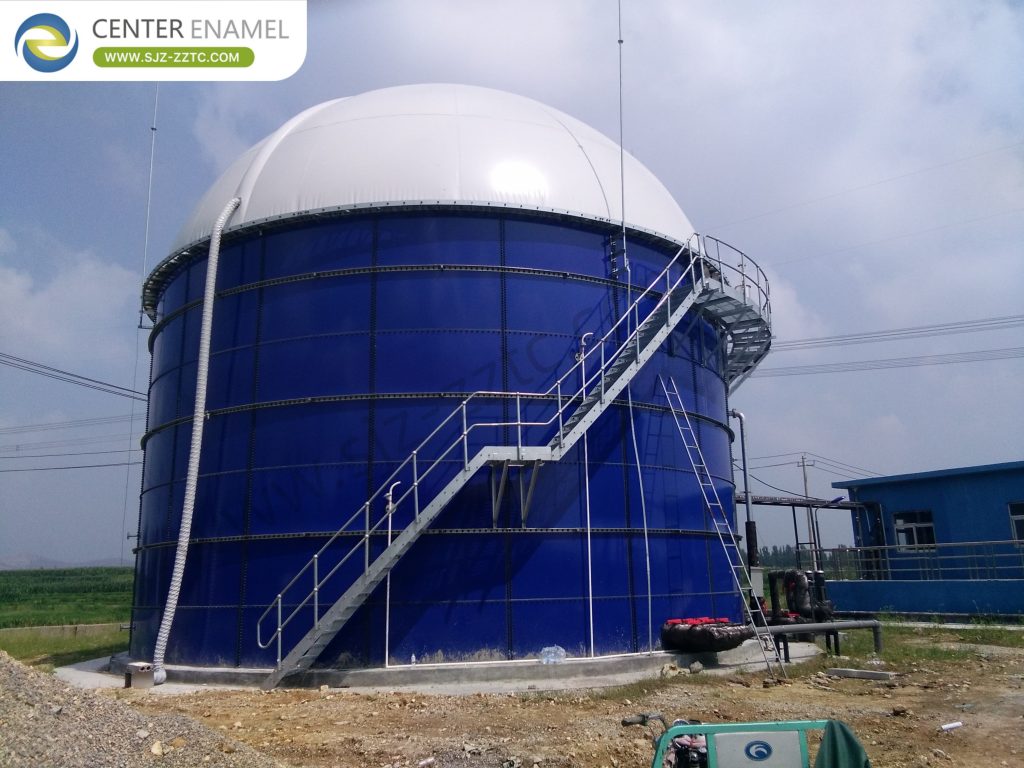
Traditionally, these protein-rich byproducts have been channeled into animal feed formulations. However, modern environmental pressures, massive volume scales, and shifting economic landscapes have driven industries to explore innovative management strategies. Beyond traditional agricultural applications, converting distillers grains into clean, renewable energy through advanced anaerobic digestion has emerged as a groundbreaking pathway for sustainable waste utilization.
Traditional Uses of Distillers Grains in Livestock Feed
For decades, the primary and most widespread application of distillers grains has been in the livestock sector. Often processed into Dried Distillers Grains with Solubles (DDGS) or utilized in wet forms (WDGS), these residues are prized for their high nutritional density.
Distillers grains are rich in crude protein, essential amino acids, fiber, and residual fats, making them an excellent, cost-effective feed ingredient for beef cattle, dairy cows, swine, and poultry. Feeding DDGS to livestock reduces the need for expensive conventional protein sources like soybean meal, creating a circular economy between the agricultural and distilling sectors. Nevertheless, rising production volumes frequently outstrip local feed market demands, necessitating alternative disposal and valorization methods.
Environmental and Logistical Challenges of Excess Distillers Grains
While utilizing distillers grains as animal feed is effective, it comes with distinct logistical and environmental hurdles. Wet distillers grains have a high moisture content (typically 65% to 70%), making them highly perishable and prone to rapid spoilage within days. Transporting heavy, moisture-laden waste over long distances is economically unviable and carbon-intensive.
Furthermore, drying wet distillers grains into DDGS consumes massive amounts of thermal energy, driving up operational costs and increasing the carbon footprint of the production facility. When surplus distillers grains accumulate without proper outlets, open storage or improper disposal leads to severe environmental degradation, odor pollution, and greenhouse gas emissions from uncontrolled microbial decay.
The Transition: From Animal Feed to Renewable Energy Generation
To overcome the limitations of traditional disposal and drying, forward-thinking distilleries and bioethanol plants are shifting their focus toward energy recovery. Distillers grains are packed with residual organic carbon, starches, and proteins, making them a high-potency substrate for biological conversion.
Rather than treating these residues solely as feed or waste, modern bio-refining looks at distillers grains as a rich fuel source for anaerobic digestion. By capturing and engineering the biological breakdown of these organic materials, plants can eliminate drying costs, neutralize environmental hazards, and convert a challenging byproduct into a valuable asset: biogas.
High-Efficiency Biogas Conversion of Distillers Grains
Converting distillers grains into biogas requires specialized biological management. Because these substrates are rich in proteins and complex organics, direct digestion can sometimes lead to process imbalances, such as high ammonia inhibition if not properly managed.
High-efficiency conversion relies on co-digestion strategies—blending wet distillers grains with complementary organic waste streams like wastewater or agricultural manure to optimize the carbon-to-nitrogen ratio. Inside advanced anaerobic bioreactors, specialized anaerobic bacteria and archaea break down the complex organic polymers through hydrolysis, acidogenesis, acetogenesis, and methanogenesis, yielding a steady stream of high-quality methane gas.
Optimizing Biogas Yields with Advanced Reactor Engineering
Maximizing the energy recovery potential of distillers grains demands cutting-edge reactor design and robust engineering infrastructure. Traditional open lagoons or poorly mixed concrete tanks often fail to maintain stable microbial populations, leading to low methane yields and structural corrosion.
State-of-the-art biogas plants utilize Continuously Stirred Tank Reactors (CSTR) and high-rate anaerobic systems equipped with advanced thermal regulation, continuous mechanical mixing, and precise pH monitoring. These engineered environments accelerate digestion kinetics, maximize gas production rates, and ensure long-term operational stability even when processing heavy, high-strength industrial slurries like distillery mash.
Center Enamel: Delivering Professional Solutions for Biogas Projects
Scaling up industrial energy recovery from high-strength organic byproducts requires reliable, heavy-duty containment technology. This is where Center Enamel establishes itself as a global leader, providing comprehensive, professional engineering solutions for anaerobic digestion and biogas projects worldwide.
Center Enamel specializes in manufacturing premium Glass-Fused-to-Steel (GFS) tanks, bolted stainless steel tanks, and robust CSTR reactor systems engineered specifically to withstand corrosive biogas environments and high structural loads. Backed by decades of manufacturing expertise, strict international standards compliance (such as ISO and AWWA D103-09), and turnkey project capabilities, Center Enamel empowers distilleries and biofuel facilities to turn surplus distillers grains into profitable, clean energy assets.
Frequently Asked Questions (FAQ)
Can distillers grains be used directly for biogas production without animal feed processing?
Yes. Many modern ethanol and distilling plants bypass the costly thermal drying process entirely. Instead, they divert wet distillers grains directly into industrial anaerobic digestion systems to generate renewable biogas, saving significant energy and reducing operational overhead.
What are the main challenges when digesting distillers grains anaerobically?
Distillers grains have high protein content, which can degrade into high levels of ammonia nitrogen during anaerobic digestion. If ammonia concentrations exceed specific thresholds, they can inhibit methanogenic bacteria. Proper reactor design, co-digestion with carbon-rich substrates, and robust monitoring managed by engineering experts like Center Enamel successfully mitigate this challenge.
How does Center Enamel support distillery waste-to-energy projects?
Center Enamel provides top-tier containment and reactor infrastructure—including durable Glass-Fused-to-Steel (GFS) tanks, specialized mixing equipment, and complete technical support. Their solutions ensure superior corrosion resistance, structural integrity, and long-term operational safety for high-strength organic waste and biogas processing plants.