
What Are Methane Digesters? A Complete Guide to Anaerobic Digestion Systems
Methane digesters represent one of the most practical and increasingly important technologies for addressing two critical challenges facing modern society: waste management and renewable energy production. These systems harness naturally occurring biological processes to transform organic waste materials into valuable resources, all while capturing a potent greenhouse gas that would otherwise escape into the atmosphere.
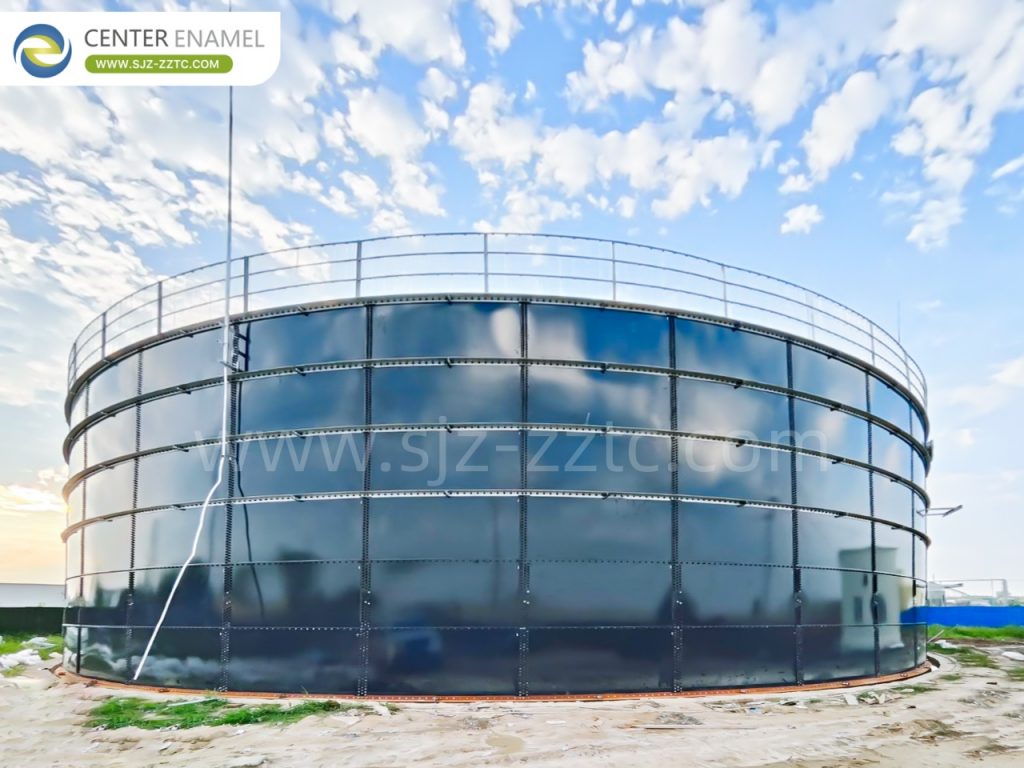
At their core, methane digesters are engineered environments where microorganisms break down organic matter without oxygen-a process called anaerobic digestion. This natural decomposition produces biogas, a mixture primarily composed of methane and carbon dioxide, along with a nutrient-rich liquid and solid byproduct called digestate. Understanding how these systems work, the different configurations available, and their real-world applications is essential for anyone exploring sustainable waste-to-energy solutions.
This comprehensive guide examines methane digesters from multiple angles: the biological science behind them, the major types of systems, their economic and environmental benefits, operational considerations, and common questions from those considering implementation.
How Anaerobic Digestion Works: The Science Behind Methane Digesters
Anaerobic digestion is a complex biochemical process that occurs through four distinct stages, each carried out by different groups of microorganisms . Understanding this sequence helps explain why digester design and operation require careful attention to temperature, pH, and feedstock composition.
Hydrolysis is the first stage, where complex organic materials-carbohydrates, proteins, and fats-are broken down into simpler soluble compounds like sugars, amino acids, and fatty acids. This step is often rate-limiting in new systems until the microbial population establishes itself .
Acidogenesis follows, in which fermentative bacteria convert these simple compounds into volatile fatty acids, alcohols, hydrogen, and carbon dioxide. The products of this stage serve as substrates for the next group of microorganisms .
Acetogenesis transforms the products of acidogenesis into acetic acid, hydrogen, and carbon dioxide. This stage requires a syntrophic relationship between different bacterial groups, where the metabolic products of one group become the substrates for another .
Methanogenesis is the final and most critical stage. Methanogenic archaea-a distinct group of microorganisms from bacteria-convert acetic acid and hydrogen/carbon dioxide into methane. This process is highly sensitive to environmental conditions, particularly pH and temperature .
The entire process typically requires a retention time of 5 to 30 days, depending on feedstock characteristics, temperature, and system design .
| Stage | Key Microorganisms | Primary Products |
| Hydrolysis | Hydrolytic bacteria | Sugars, amino acids, fatty acids |
| Acidogenesis | Fermentative bacteria | Volatile fatty acids, alcohols, H₂, CO₂ |
| Acetogenesis | Acetogenic bacteria | Acetic acid, H₂, CO₂ |
| Methanogenesis | Methanogenic archaea | Methane (CH₄), CO₂ |
Major Types of Methane Digesters
Methane digester systems vary significantly in design, scale, and application. The choice of system depends on factors including feedstock type, climate, farm or facility size, and intended biogas use. Three primary configurations dominate agricultural and wastewater applications .
Covered Anaerobic Lagoon
A covered anaerobic lagoon is a constant-volume lagoon designed for methane production and recovery, typically used in warmer climates where heating is not required . A flexible or rigid cover traps biogas as it rises from the decomposing waste below. These systems work best with liquid manure and require pretreatment to remove coarse solids that could form a crust and reduce gas production . Covered lagoons are generally the lowest-cost option for large-scale liquid waste treatment.
Complete-Mix Digester
Complete-mix digesters are constant-volume, flow-through tanks that can accommodate the widest variety of waste streams . These systems are typically above-ground, heated, insulated circular tanks equipped with mixing mechanisms-either gas recirculation, mechanical propellers, or liquid circulation-to ensure consistent contact between microorganisms and feedstock . Complete-mix digesters can be optimized for either maximum biogas production or maximum volatile solids reduction .
Plug-Flow Digester
A plug-flow digester is a heated, unmixed rectangular tank where new waste is pumped into one end, horizontally displacing older material through the system . The material moves as a "plug" through the digester, with biogas collected from the surface. Plug-flow systems work best with thick, high-solids manure-typically requiring at least 11-13% total solids-and are well-suited for dairy operations with scrape-collected manure .
| Digester Type | Typical Scale | Feedstock Suitability | Heating Required | Relative Cost |
| Covered Lagoon | Large | Liquid manure, low solids | No | Low |
| Complete-Mix | Medium to Large | Wide variety, high/low solids | Yes | Medium-High |
| Plug-Flow | Small to Medium | High-solids manure | Yes | Medium |
The Three Valuable Products of Methane Digesters
Methane digesters produce three primary outputs, each with distinct value streams. Understanding these products helps explain the economic rationale for implementing digester systems.
Biogas
The primary product is biogas, a renewable fuel composed of approximately 50-70% methane and 30-50% carbon dioxide, with trace amounts of other gases . Raw biogas can be used directly in boilers or engines for heat and electricity generation through combined heat and power systems . For higher-value applications, biogas can be upgraded to renewable natural gas by removing carbon dioxide and impurities. Upgraded RNG is interchangeable with conventional natural gas and can be injected into utility pipelines or used as vehicle fuel .
Digestate
The material remaining after digestion-called digestate-is a nutrient-rich byproduct containing nitrogen, phosphorus, potassium, and organic matter . Digestate can be applied to fields as fertilizer, used as soil amendment, or processed into value-added products like animal bedding or seed starter . Compared to raw manure, digestate offers significant advantages: reduced pathogen levels, decreased weed seed viability, and lower odor . These characteristics make digestate a more environmentally friendly and community-compatible fertilizer option.
Environmental Credits
Digester systems generate environmental attributes that can be monetized through various programs. These include greenhouse gas reduction credits, renewable energy credits, and low-carbon fuel standard credits where applicable . In California, for example, the Low Carbon Fuel Standard has driven substantial digester development by creating a market for the environmental benefits of captured methane .
Environmental and Economic Benefits
The growing adoption of methane digesters reflects their dual role in reducing environmental impact while creating economic opportunities.
Methane Emissions Reduction
Methane is a potent greenhouse gas with a global warming potential many times that of carbon dioxide over a 20-year timeframe . Agriculture is a significant source of methane emissions, particularly from manure management and enteric fermentation . Digesters capture methane that would otherwise be released from decomposing manure, converting it into a useful energy resource. The Vander Woude Dairy in California, for instance, exceeded expectations by achieving nearly 24,000 metric tons of CO₂ equivalent in emission reductions annually through its covered lagoon digester .
Renewable Energy Production
Digesters enable farms and facilities to generate their own electricity, heat, or vehicle fuel, reducing reliance on fossil fuels . Biogas can power combined heat and power units to produce both electricity and thermal energy, or it can be upgraded to RNG for pipeline injection or transportation fuel . This energy production provides operational cost savings and potential revenue streams.
Odor Reduction and Community Relations
Digesters can reduce odors from livestock waste by up to 90% . This significant reduction helps strengthen relationships between agricultural operations and nearby communities, addressing one of the most common sources of complaints about livestock facilities .
Nutrient Management
Digestate provides a more stable and plant-available form of nutrients compared to raw manure, reducing the risk of nutrient runoff that can impair water quality . The digestion process also reduces pathogen levels and weed seeds, making the material safer and more effective as a fertilizer .
Operational Considerations and Feedstock Requirements
Successful methane digester operation requires attention to several key factors that influence biological activity and system performance.
Temperature is critical for methanogen health and activity. Digesters operate in either mesophilic (around 95-105°F) or thermophilic (around 125-135°F) ranges, with mesophilic systems being more stable and common . Temperature fluctuations can disrupt the microbial community and reduce gas production.
Feedstock characteristics determine system sizing, biogas yield, and operational stability. Key parameters include total solids content, volatile solids content, carbon-to-nitrogen ratio, and the presence of inhibitory substances . Manure-based systems typically benefit from co-digestion with other organic materials like food waste or fats, oils, and grease, which can increase biogas production .
Retention time must be sufficient for the slow-growing methanogens to complete the digestion process. Hydraulic retention time typically ranges from 15 to 30 days for complete-mix systems, depending on temperature and feedstock .
Mixing ensures contact between microorganisms and feedstock, prevents stratification, and helps maintain consistent conditions throughout the digester .
Real-World Applications and Case Studies
Methane digesters operate across multiple sectors, from small farms to large wastewater treatment plants.
In the United States, approximately 400 manure biodigesters were operating as of 2024, with concentrated adoption in states like California that have supportive policies . The Vander Woude Dairy project in Merced County demonstrates the potential of these systems: the $3.7 million covered lagoon digester processes manure from 3,200 Holstein cows, produces pipeline-quality RNG, and exceeded projected emission reductions by more than 25% . The project created 44 jobs during construction and injected over 73,000 MMBTU of gas into the pipeline in its most recent 12-month period .
China has a long history of biogas technology, with three main digester categories: household-scale digesters, biogas septic tanks, and large-scale biogas plants for municipal, industrial, and agricultural waste treatment . The country's experience demonstrates both the scalability of anaerobic digestion and the importance of matching system design to local conditions and needs.
Wastewater treatment plants also commonly employ anaerobic digestion to stabilize sewage sludge while capturing biogas for energy recovery .
Ready to explore methane digester solutions for your operation? Contact our team today to discuss how anaerobic digestion can transform your waste management and energy strategy.
Frequently Asked Questions
What is the difference between a methane digester and a biogas plant?
The terms are often used interchangeably. A methane digester and a biogas plant both refer to systems that use anaerobic digestion to convert organic waste into biogas. "Methane digester" emphasizes the methane content of the biogas produced, while "biogas plant" emphasizes the overall system and fuel output. Both describe the same fundamental technology.
How much does a methane digester cost?
Costs vary widely based on system type, scale, and location. According to historical cost data, a complete-mix anaerobic digester requires an investment of approximately $320,900 plus $563 per cow, while a plug-flow system costs about $566,000 plus $617 per cow . Covered lagoon systems have a different cost structure, around $599,600 plus $400 per cow . These figures include the digester, engine-generator set, and design/installation, but exclude ongoing maintenance, repairs, and energy inputs . Financial incentives and credit programs can significantly improve project economics.
Can methane digesters work in cold climates?
Yes, though cold-climate operation requires additional considerations. Covered lagoons without heating rely on ambient temperatures and produce less biogas in winter . Complete-mix and plug-flow systems are typically heated and insulated to maintain consistent temperatures year-round, making them suitable for colder regions . Some innovative approaches, such as in-storage psychrophilic anaerobic digestion, have been developed for colder climates by using existing storage facilities with airtight covers .