
What are some examples of industrial wastewater?
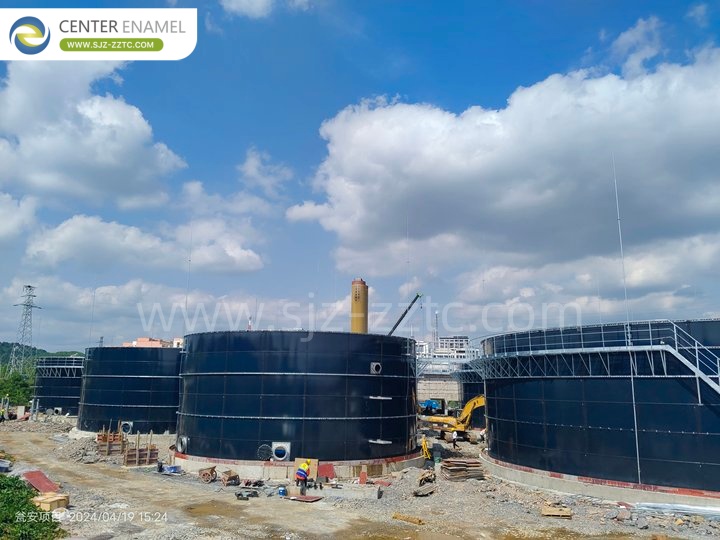
Industrial water management is one of the most critical environmental and operational challenges facing modern manufacturing and production facilities. Unlike municipal sewage, industrial wastewater varies significantly in composition, toxicity, and volume depending on the specific industrial sector. Proper identification, categorization, and treatment of this wastewater are vital for environmental compliance, resource recovery, and sustainable business operations.
What is Industrial Wastewater? A Brief Overview
Industrial wastewater refers to liquid waste generated by industrial or commercial activities, excluding domestic sewage. This type of wastewater typically contains a complex mixture of heavy metals, toxic organic compounds, suspended solids, acids, alkalis, oils, and high concentrations of biochemical oxygen demand (BOD) or chemical oxygen demand (COD).
Because industrial effluents can severely disrupt aquatic ecosystems and municipal wastewater treatment plants, strict environmental regulations govern their discharge. Effective management begins with a thorough understanding of the specific examples and characteristics of wastewater produced by different industries.
Common Examples of Industrial Wastewater Across Sectors
Different industrial processes yield vastly different types of wastewater. Categorizing these effluents helps engineers design targeted treatment trains. Below are some of the most prominent examples of industrial wastewater found globally:
Textile and Dyeing Wastewater: Characterized by high alkalinity, intense color, high temperature, and complex chemical compositions containing synthetic dyes, sizing agents, and surfactants.
Pulp and Paper Industry Wastewater: Generates massive volumes of effluent containing lignin, cellulose fibers, suspended solids, and chlorinated organic compounds from bleaching processes.
Metal Plating and Surface Treatment: Rich in heavy metals (such as chromium, nickel, copper, and cadmium), cyanides, acids, and alkalis, requiring rigorous chemical precipitation and detoxification.
Petroleum and Petrochemical Effluents: Contains high levels of emulsified oils, hydrocarbons, phenols, sulfides, and polycyclic aromatic hydrocarbons (PAHs).
Chemical and Pharmaceutical Wastewater Characteristics
The chemical and pharmaceutical sectors produce some of the most complex and hazardous types of industrial wastewater.
Pharmaceutical Wastewater: Often contains active pharmaceutical ingredients (APIs), antibiotics, solvents, and high concentrations of refractory (hard-to-biodegrade) organic compounds. Because antibiotics can inhibit biological treatment systems, specialized pretreatment steps like advanced oxidation processes (AOPs) are frequently required.
Chemical Manufacturing Wastewater: Highly variable in pH and toxicity. It often includes batch-process washwater laden with raw materials, intermediates, catalysts, and byproducts. Treating this wastewater safely demands robust containment and versatile treatment technologies capable of handling toxic shocks.
Food and Beverage Industry Wastewater
In contrast to chemical plants, wastewater from the food and beverage industry is generally non-toxic but possesses an extremely high organic load.
Key Characteristics: High concentrations of sugars, starches, fats, oils, grease (FOG), proteins, and fluctuating pH levels from cleaning agents.
Major Sources: Dairies, slaughterhouses, breweries, sugar refineries, and potato processing plants.
Treatment Implication: While biodegradable, the sheer volume of organic matter can rapidly deplete dissolved oxygen in receiving waters if untreated. Consequently, biological high-rate anaerobic systems are frequently deployed to manage this high-strength organic pollution efficiently.
Advanced Anaerobic Treatment Processes: IC, UASB, and EGSB Reactors
When dealing with high-strength organic industrial wastewater (such as from food, paper, and chemical production), high-rate anaerobic treatment technologies are indispensable. They convert organic pollutants into biogas (methane and carbon dioxide) while consuming significantly less energy than aerobic systems.
UASB (Upflow Anaerobic Sludge Blanket): A pioneering anaerobic technology where wastewater flows upward through a dense sludge blanket. Microorganisms break down organic matter, producing gas bubbles that help mix the blanket and form dense biological granules.
IC (Internal Circulation) Reactor: An advanced, taller version of the UASB reactor equipped with an internal circulation system. It handles much higher organic loading rates, occupies a smaller footprint, and utilizes internal gas-lift loops to achieve exceptional mixing and mass transfer.
EGSB (Expanded Granular Sludge Bed): Similar to UASB but operating at much higher superficial liquid velocities. The expanded bed ensures superior contact between wastewater and granular sludge, making it ideal for treating low-temperature or complex industrial streams at high hydraulic loads.
The Advantages of Glass-Fused-to-Steel (GFS) Tanks in Wastewater Treatment
Choosing the right containment infrastructure is just as important as selecting the treatment technology. Glass-Fused-to-Steel (also known as Glass-Lined Steel) tanks have become the gold standard for industrial wastewater treatment plants.
Superior Corrosion Resistance: The fusion of glass at high temperatures to high-strength steel creates an inert, impermeable bond that withstands aggressive industrial chemicals, low and high pH levels, and corrosive wastewater environments.
Rapid Installation: GFS tanks are prefabricated in controlled factory settings and bolted on-site, significantly reducing construction time compared to traditional concrete tanks.
Low Maintenance and Long Lifespan: The smooth, glass surface prevents sludge adhesion and scaling, lowering cleaning costs and ensuring a service life exceeding 30 years.
Scalability and Flexibility: These tanks can be easily dismantled, expanded, or relocated if facility requirements change over time.
Center Enamel: Your Trusted Partner for Comprehensive Wastewater Solutions
Navigating complex industrial wastewater challenges requires proven expertise, reliable engineering, and high-quality equipment. Center Enamel is a premier, globally recognized professional wastewater treatment solution provider with decades of industry experience.
Center Enamel specializes in the research, development, manufacturing, and supply of cutting-edge containment systems and treatment equipment. As an industry leader in Glass-Fused-to-Steel (GFS) tanks, Center Enamel also provides advanced solutions encompassing bolted steel tanks, anaerobic reactors (such as UASB and IC systems), and comprehensive turnkey wastewater treatment projects. With successful installations across municipal and industrial sectors worldwide, Center Enamel delivers customized, cost-effective, and environmentally compliant solutions tailored to meet the exact demands of any industrial application.
Frequently Asked Questions (FAQs) About Industrial Wastewater Treatment
What makes industrial wastewater different from municipal sewage?
Industrial wastewater is generated by specific manufacturing, processing, or chemical operations, resulting in highly variable compositions that often include heavy metals, toxic chemicals, oils, and extreme pH levels. Municipal sewage, conversely, is primarily domestic waste consisting of human waste, food scraps, and household detergents, making its composition far more uniform and predictable.
Why are anaerobic systems like UASB and IC preferred for food and beverage wastewater?
Food and beverage wastewater typically contains high levels of dissolved organic matter (high COD/BOD). Anaerobic reactors like UASB and IC can process these high organic loads efficiently without the massive energy requirements of aeration needed in aerobic systems. Furthermore, they generate renewable biogas (methane) as a byproduct, which can be captured and reused for energy.
What are the main benefits of using GFS tanks in a treatment plant?
Glass-Fused-to-Steel (GFS) tanks combine the strength and flexibility of steel with the chemical resistance of glass. Their primary benefits include exceptional resistance to corrosion and abrasion, rapid on-site installation times, aesthetic appeal, minimal ongoing maintenance, and the ability to be easily expanded or relocated as the treatment facility grows.