
What Are Some Examples of Process Wastewater? Types, Sources, Treatment Technologies Guide
Process wastewater is generated across virtually every manufacturing and industrial sector, from food and beverage production to chemical manufacturing, pharmaceuticals, and metal finishing. Unlike sanitary wastewater, process wastewater contains pollutants specific to the industrial operations that produce it, requiring tailored treatment approaches to meet environmental standards. Understanding the range of process wastewater examples helps facility managers, environmental engineers, and compliance officers design effective treatment systems and identify opportunities for water reuse. This comprehensive guide examines process wastewater sources, characteristics, treatment technologies, and regulatory considerations across major industries.

What Is Process Wastewater?
Process wastewater refers to any water that comes into contact with raw materials, intermediate products, by-products, or waste materials during industrial manufacturing operations. It differs fundamentally from sanitary wastewater, which originates from domestic sources such as restrooms, kitchens, and employee facilities. Process wastewater may also include water used for equipment cleaning, cooling, material transport, and product washing—activities that introduce contaminants specific to the production process.
The distinction matters because process wastewater typically requires specialized treatment before discharge or reuse. Contaminants may include organic matter, heavy metals, oils and greases, acids and alkalis, toxic chemicals, suspended solids, and nutrients. The specific composition depends entirely on the industry, raw materials, and manufacturing methods employed.
Process Wastewater Examples by Industry
Food and Beverage Processing
Food and beverage manufacturing generates some of the most voluminous and organic-rich process wastewater streams. Slaughterhouse and meat processing operations produce wastewater containing blood, fat, manure, and cleaning chemicals. Dairy processing creates effluent from milk solids, whey, and equipment washdown. Fruit and vegetable canneries generate wastewater with high suspended solids and dissolved carbohydrates. Breweries and wineries produce wastewater rich in sugars, yeast, and cleaning agents.
A slaughterhouse processing 1,000 cattle per day can generate over 1.5 million liters of process wastewater, with biochemical oxygen demand (BOD) concentrations exceeding 2,000 mg/L. The high organic load makes biological treatment essential, while fats and oils require pretreatment to prevent operational problems in downstream treatment stages.
Chemical Manufacturing
Chemical plants generate process wastewater containing solvents, acids, bases, heavy metals, and complex organic compounds. Petrochemical facilities produce wastewater with hydrocarbons, phenols, and sulfides. Pharmaceutical manufacturing creates effluent containing active pharmaceutical ingredients, solvents, and biologically active compounds that resist conventional treatment.
The complexity and toxicity of chemical process wastewater often necessitates advanced treatment technologies including activated carbon adsorption, advanced oxidation processes, and membrane filtration. Some facilities employ closed-loop systems that minimize discharge through water recycling and by-product recovery.
Metal Finishing and Electroplating
Metal processing operations generate wastewater from rinsing, pickling, plating, and surface preparation. These streams contain heavy metals including chromium, nickel, cadmium, zinc, and copper, along with acids, cyanides, and oils. Metal finishing wastewater requires chemical precipitation, ion exchange, or membrane treatment to remove toxic metals before discharge.
Pharmaceutical and Biotechnology
Pharmaceutical and biotechnology facilities produce process wastewater from fermentation, extraction, purification, and equipment cleaning. These streams may contain antibiotics, hormones, solvents, and biological materials that pose environmental risks even at low concentrations. Treatment typically involves biological processes, advanced oxidation, and sometimes thermal destruction.
Textile and Dyeing
Textile manufacturing generates process wastewater from scouring, bleaching, dyeing, and finishing operations. The effluent contains dyes, surfactants, heavy metals, and high concentrations of salts and alkalinity. Color removal and chemical oxygen demand (COD) reduction present significant treatment challenges, often requiring coagulation, adsorption, and biological treatment.
Power Generation and Cooling
Power plants generate process wastewater from cooling tower blowdown, boiler blowdown, and flue gas desulfurization. These streams contain dissolved solids, heavy metals, and sometimes selenium and mercury. Cooling water discharge also creates thermal pollution that can disrupt aquatic ecosystems.
Characteristics of Process Wastewater
The composition of process wastewater varies dramatically across industries. The following table summarizes characteristic parameters for major industrial sectors:
| Industry | Primary Pollutants | BOD₅ (mg/L) | COD (mg/L) | TSS (mg/L) | pH Range |
| Food Processing | Organics, FOG, nutrients | 1,000–30,000 | 2,000–50,000 | 500–5,000 | 4.0–7.5 |
| Chemical | Solvents, acids, organics | 200–5,000 | 500–15,000 | 100–2,000 | 1.0–12.0 |
| Metal Finishing | Heavy metals, acids, cyanide | 50–500 | 100–1,500 | 50–500 | 2.0–12.0 |
| Pharmaceutical | APIs, solvents, organics | 500–10,000 | 1,000–20,000 | 100–1,500 | 3.0–10.0 |
| Textile | Dyes, salts, surfactants | 300–2,000 | 800–5,000 | 200–1,500 | 6.0–11.0 |
| Pulp & Paper | Lignin, fibers, organics | 500–3,000 | 1,000–8,000 | 300–2,000 | 5.0–9.0 |
| Petrochemical | Hydrocarbons, phenols, sulfides | 100–2,000 | 300–5,000 | 50–500 | 3.0–11.0 |
Data compiled from multiple industry sources
High BOD and COD values indicate substantial oxygen demand requiring treatment before discharge. Heavy metals in metal finishing wastewater pose particular risks due to their toxicity and persistence in the environment. The wide pH ranges reflect the acidic or alkaline nature of different industrial processes.
Treatment Technologies for Process Wastewater
Treatment of process wastewater typically involves a combination of physical, chemical, and biological processes tailored to the specific contaminants present. The treatment train design depends on pollutant characteristics, discharge requirements, and opportunities for resource recovery.
Physical treatment methods include screening, sedimentation, dissolved air flotation (DAF), and filtration. These processes remove suspended solids, oils, and greases, reducing loading on downstream treatment stages. DAF is particularly effective for food processing wastewater containing fats and oils.
Chemical treatment encompasses precipitation, coagulation, flocculation, neutralization, and advanced oxidation. Chemical precipitation with lime or sodium hydroxide removes heavy metals from metal finishing wastewater. Advanced oxidation processes (AOPs) using ozone, hydrogen peroxide, or UV light destroy recalcitrant organic compounds in pharmaceutical and chemical effluents.
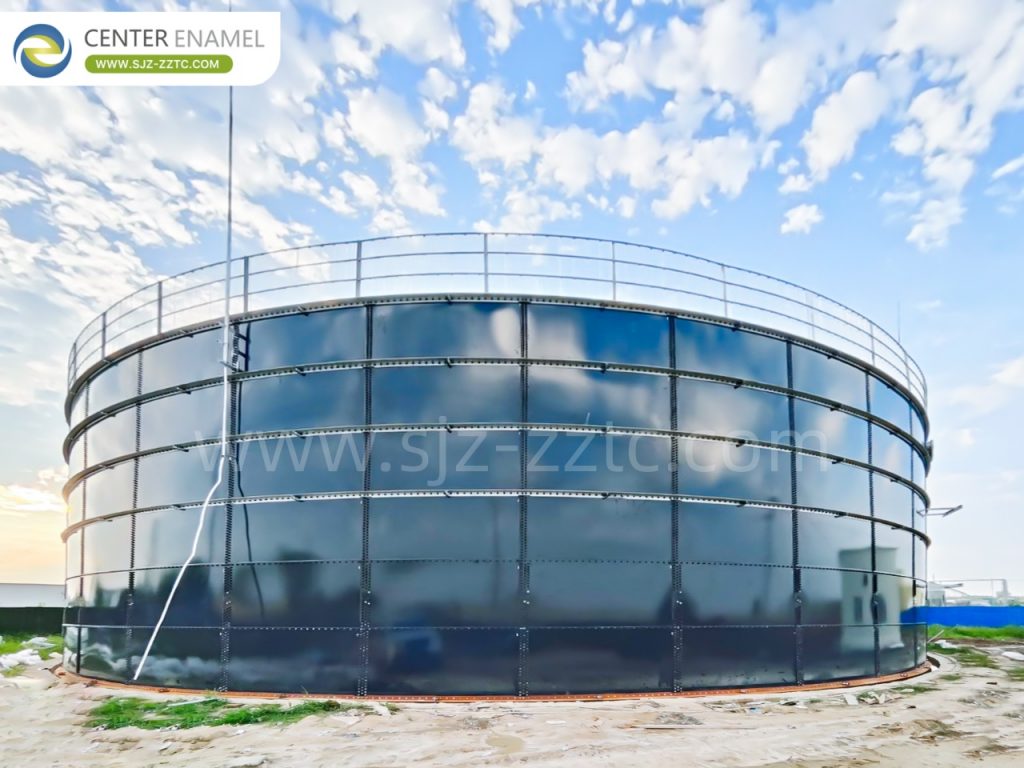
Biological treatment remains the most cost-effective approach for organic-rich process wastewater. Activated sludge, sequencing batch reactors (SBR), membrane bioreactors (MBR), and anaerobic digestion are widely applied. Anaerobic treatment is particularly valuable for high-strength organic waste, converting pollutants into biogas while reducing sludge production.
Membrane technologies including ultrafiltration, nanofiltration, and reverse osmosis enable water reuse and by-product recovery. These processes produce high-quality effluent suitable for boiler feed, cooling tower makeup, or even direct product contact in some applications.
Water Reuse and Resource Recovery
Increasingly, industries are viewing process wastewater as a resource rather than a disposal burden. Water reuse reduces freshwater consumption, discharge volumes, and treatment costs. Membrane bioreactors combined with reverse osmosis can produce water quality suitable for high-purity applications.
Resource recovery from process wastewater includes nutrient recovery (nitrogen and phosphorus), energy generation through anaerobic digestion, and by-product extraction. Dairy whey, for example, contains valuable proteins that can be recovered through membrane filtration before wastewater treatment. Metal finishing operations can recover metals through electrowinning or precipitation for reuse.
Regulatory Compliance and Discharge Standards
Process wastewater discharge is regulated under national and regional frameworks including the U.S. Clean Water Act's National Pollutant Discharge Elimination System (NPDES), the EU Industrial Emissions Directive, and similar regulations worldwide. Permits specify limits for BOD, COD, total suspended solids, heavy metals, nutrients, pH, and toxicity.
Facilities must monitor effluent quality, maintain treatment system performance, and report compliance data to regulatory authorities. Pretreatment programs regulate industrial discharges to municipal sewers, protecting publicly owned treatment works (POTWs) from toxic pollutants and excessive loads.
If your facility is dealing with process wastewater challenges, our team of environmental engineers and wastewater treatment specialists can help you design the right solution—from characterization and treatment process selection to compliance and resource recovery. Contact us today to discuss your specific industrial waste streams and discover how we can turn your wastewater challenges into operational advantages.
Frequently Asked Questions
What are the main examples of process wastewater?
Main examples of process wastewater include food and beverage processing effluent, chemical manufacturing wastewater, metal finishing and electroplating rinse water, pharmaceutical production wastewater, textile dyeing effluent, pulp and paper mill wastewater, and power plant cooling tower blowdown. Each industry generates wastewater with distinct pollutant profiles requiring tailored treatment approaches.
How is process wastewater different from sanitary wastewater?
Process wastewater originates from industrial manufacturing operations and contains pollutants specific to those processes, such as heavy metals, solvents, organic compounds, and toxic chemicals. Sanitary wastewater comes from domestic sources like restrooms and kitchens and primarily contains human waste, soaps, and food residues. Process wastewater typically requires more specialized and complex treatment than sanitary wastewater.
What is the most effective treatment for process wastewater?
The most effective treatment depends on the specific contaminants present. Biological treatment is best for organic-rich wastewater from food processing. Chemical precipitation and ion exchange suit metal finishing wastewater. Advanced oxidation processes address pharmaceutical and chemical effluents containing recalcitrant compounds. Most facilities employ combined treatment trains integrating physical, chemical, and biological processes to meet discharge standards.