
What Are the 4 Processes of Anaerobic Digestion? Understanding the Stages of Biogas Production
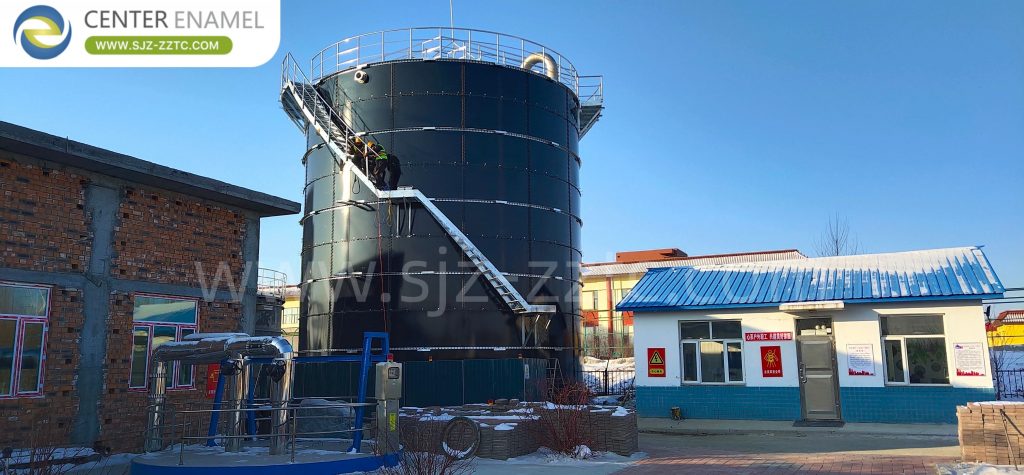
Anaerobic digestion is one of the oldest and most widely used conversion processes for organic waste treatment, transforming biomass into renewable energy through the action of microorganisms in an oxygen-free environment . But what exactly happens inside an anaerobic digester? The process consists of four clearly defined stages that work together to break down complex organic matter into biogas-primarily methane and carbon dioxide. Understanding these four processes is essential for anyone involved in waste management, renewable energy, or biogas project development.
What Is Anaerobic Digestion?
Anaerobic digestion is a complex biochemical process in which microorganisms break down biodegradable material in the complete absence of oxygen . The technical term refers to a series of biological reactions undertaken by a consortium of microorganisms to convert organic compounds into methane, carbon dioxide, and water . This natural process occurs under controlled conditions in specially designed facilities called anaerobic digesters, where the gas yield can reach its theoretical maximum and the digestion process can be completed within days rather than years .
The end products of this process include biogas-a mixture of methane and carbon dioxide that can be used to generate heat and electricity-and digestate, a nutrient-rich material that serves as an excellent biofertilizer . Nothing goes to waste: the biogas powers renewable energy systems, while the leftover organic material enriches soil for agricultural applications.
The Four Stages of Anaerobic Digestion
Anaerobic digestion involves four distinct biological stages: hydrolysis, acidogenesis, acetogenesis, and methanogenesis . Each stage breaks down the organic matter into progressively smaller components until only methane, carbon dioxide, and water remain . Let's explore each process in detail.
Hydrolysis: Breaking Down Complex Organic Matter
Hydrolysis is the first and often rate-limiting step in anaerobic digestion. In this stage, complex organic molecules-including carbohydrates, fats, and proteins-are broken down into simpler soluble compounds by extracellular enzymes released by hydrolytic bacteria . This is a chemical reaction wherein particulates are solubilized and large polymers are converted into simpler monomers .
The specific conversions include: carbohydrates into simple sugars (monosaccharides), proteins into amino acids, and complex lipids (fats) into glycerol and long-chain fatty acids . Hydrolytic microorganisms such as Clostridia sp., Bacteroides sp., and Micrococci sp. perform this essential work . This stage can be a rate-limiting step if the digester is not properly inoculated with fermentative microbes, which is why newly operated anaerobic digesters may face challenges in the first few days of operation .
Acidogenesis: Fermenting Simple Molecules into Volatile Fatty Acids
Acidogenesis is the second stage, where the simple sugars, amino acids, and fatty acids produced during hydrolysis are fermented into smaller molecules . Acidogenic bacteria convert these hydrolyzed products into volatile fatty acids (VFAs) such as acetate, propionate, and butyrate, as well as alcohols like ethanol, along with by-products including carbon dioxide, ammonia, and hydrogen sulfide .
Commonly reported acidogenic microorganisms include Escherichia coli, Clostridium thermocellum, Bacillus cereus, and various Bacteroides species . At the end of this stage, the organic matter has been transformed into organic acids and alcohols-simpler compounds that will be further processed in the next stages.
Acetogenesis: Converting Organic Acids into Acetic Acid
Acetogenesis is the third stage, where the volatile fatty acids and alcohols produced during acidogenesis are further digested into acetic acid, carbon dioxide, and hydrogen . Bacteria responsible for this conversion are called acetogens, and they fall into two main types: homoacetogens (which reduce CO₂ to acetate) and acetate acetogens (which ferment organic acids to acetate) .
Key reactions in this stage include the fermentation of propionic acid by Syntrophobacter wolinii and butyric acid by Syntrophomonas wolfei into acetic acid and hydrogen . The end products-acetate, hydrogen, and carbonic gas-are the substrates that will be used in the final stage to produce methane . This stage is critical because it prepares the material for the methanogenic archaea that cannot directly utilize the more complex acids.
Methanogenesis: Producing Methane and Carbon Dioxide
Methanogenesis is the fourth and final stage of anaerobic digestion, where the remaining hydrogen and acetic acid are converted into methane and additional carbon dioxide . This is the energy-producing step of the entire process.
Methanogenesis occurs through several pathways: acetoclastic fermentation of acetate (where acetate is split into methane and CO₂), hydrogenotrophic reduction of CO₂ with hydrogen, and methylotrophic reduction of one-carbon compounds . The key microorganisms involved are methanogenic archaea, including Methanosaeta, Methanolobus, and Methanoculleus species . A critical enzyme in this process, methyl Co-Enzyme M reductase, catalyzes the essential steps and is present in all methanogens .
The end product of this final stage is biogas-a mixture of methane (typically 55–70%) and carbon dioxide (30–45%), with trace amounts of other gases. The biogas rises to the top of the digester, where it can be collected and used to produce heat and electricity, or cleaned to create biomethane for vehicle fuel or injection into the gas grid .
The Importance of Understanding the 4 Processes
Understanding the four processes of anaerobic digestion is essential for optimizing biogas production. Each stage depends on specific microbial populations with different environmental requirements. If any stage is compromised-for example, by incorrect temperature, pH imbalance, or toxic substances-the entire digestion process can slow or fail. In most anaerobic digesters, hydrolysis is often the rate-limiting step, making proper inoculation crucial for efficient operation .
The optimal temperature for mesophilic digestion typically ranges from 35°C to 38°C, while thermophilic digestion operates at higher temperatures around 50°C . Maintaining these conditions ensures that all four stages proceed efficiently, maximizing biogas yield and organic matter reduction.
Center Enamel: Professional Biogas Project Solutions
For large-scale biogas projects, reliable infrastructure is essential. Center Enamel has over 36 years of expertise in providing storage solutions for biogas projects worldwide, with successful implementations in more than 100 countries including Sweden, France, the USA, Australia, and Indonesia .
GFS Tanks (Glass-Fused-to-Steel Tanks) are the premium containment solution for biogas storage. These tanks undergo firing at 820°C-930°C, creating an inert bond between glass and steel that combines the strength of steel with exceptional corrosion resistance . The double coating layer structure provides comprehensive protection against hydrogen sulfide, organic acids, and other corrosive gases generated during anaerobic digestion, with a service life exceeding 30 years .
Double Membrane Roofs serve as the preferred solution for biogas storage, offering significant cost advantages and space efficiency. By eliminating the need for ground-mounted gas holders, these roofs reduce the overall footprint and foundation costs while ensuring airtight biogas containment .
Center Enamel provides comprehensive one-stop solutions including:
EPC services – Engineering, Procurement, and Construction for complete turn-key biogas systems
Customized design – Solutions tailored to specific waste characteristics and project requirements
International certifications – ISO 9001, CE, NSF/ANSI 61, WRAS, and ISO 28765 quality standards
Global experience – Successful projects across 100+ countries
Whether you are developing a municipal waste-to-energy facility or an agricultural biogas project, Center Enamel delivers the high-quality, durable infrastructure needed to ensure reliable biogas production and storage.
Conclusion
Anaerobic digestion is a remarkable biological process that converts organic waste into renewable energy through four distinct stages: hydrolysis, acidogenesis, acetogenesis, and methanogenesis. Each stage plays a vital role in breaking down complex organic matter into biogas-a clean, sustainable fuel that can power homes, vehicles, and industries. By understanding these four processes, project developers and operators can optimize their systems for maximum efficiency and environmental benefit. With the right infrastructure from experienced providers like Center Enamel, biogas projects can transform waste management challenges into opportunities for renewable energy generation.
Frequently Asked Questions
Q: What is the rate-limiting step in anaerobic digestion?
Hydrolysis is often the rate-limiting step in anaerobic digestion, particularly when treating complex organic substrates like lignocellulosic materials. If the digester is not properly inoculated with fermentative microbes, the breakdown of complex polymers into simple compounds proceeds slowly, limiting the entire process .
Q: What types of microorganisms are involved in the 4 stages?
Each stage involves different microbial populations: hydrolytic bacteria (Clostridia, Bacteroides), acidogenic bacteria (Escherichia coli, Bacillus cereus), acetogenic bacteria (Syntrophobacter, Syntrophomonas), and methanogenic archaea (Methanosaeta, Methanoculleus) . These microorganisms work together in a symbiotic relationship to complete the digestion process.
Q: What factors can disrupt the anaerobic digestion process?
Temperature fluctuations, pH imbalance, toxic substances, insufficient mixing, and improper organic loading rates can all disrupt anaerobic digestion. Maintaining optimal mesophilic conditions (35–38°C) and ensuring proper inoculation are critical for stable operation . Center Enamel's GFS tanks help maintain stable conditions through durable, corrosion-resistant containment.