
What Are the Challenges in Wastewater Treatment? Key Obstacles Facing Modern Plants
Wastewater treatment has never been more technically demanding. Cities grow, industries diversify, discharge standards tighten, and the workforce that built yesterday's plants is retiring. Behind every clean river lies a treatment plant fighting a daily battle against flows it was not designed for. This article explores the core challenges in wastewater treatment, why they persist, and how modern plants are overcoming them.
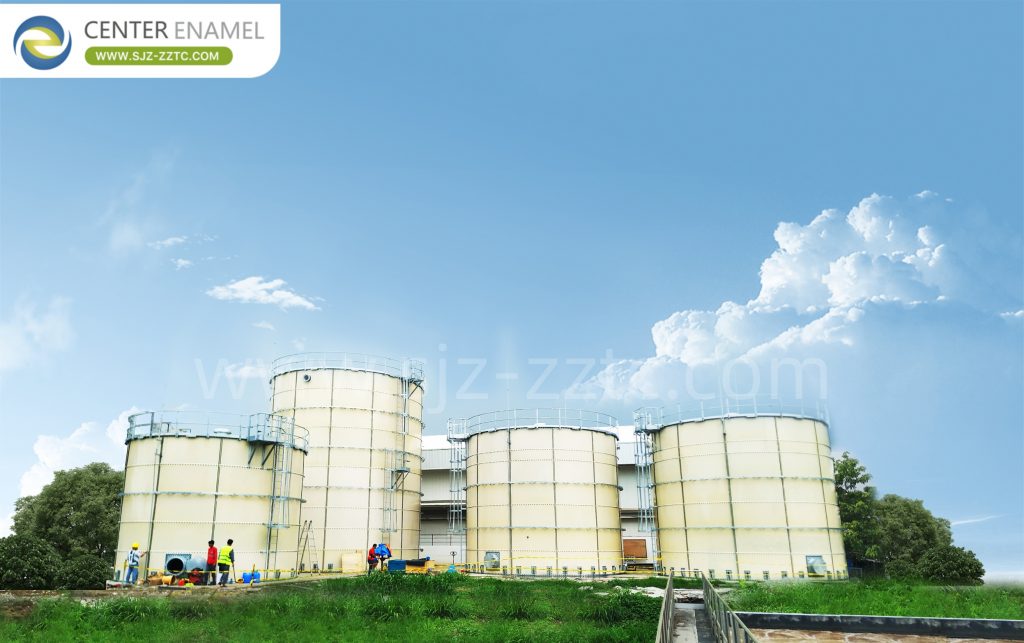
Why Wastewater Treatment Is Harder Than Ever
In the 1970s, a typical municipal WWTP handled mostly domestic sewage with a known composition. Today's influent is a moving target: industrial discharge, storm-water infiltration, microplastics, pharmaceuticals, and persistent organic compounds all enter the same pipes. At the same time, utilities are asked to cut energy use, reduce sludge volumes, and reuse water-without a proportional budget increase. The result is a sector squeezed from both sides.
Challenge 1: Aging Infrastructure and Capital Constraints
Many treatment plants in North America, Europe, and parts of Asia are 30–60 years old. Concrete tanks crack, aeration blowers wear out, and control systems predate the internet. Rehabilitation is expensive: a single municipal secondary treatment upgrade can cost tens of millions of dollars. Underfunded utilities defer maintenance, which pushes problems downstream-into effluent violations, odors, and frequent breakdowns.
Challenge 2: Tightening Discharge Regulations
Regulators worldwide are raising the bar. China's GB 18918 Class 1A, the EU Urban Waste Water Treatment Directive, and revised EPA limits all demand lower effluent ammonia, total nitrogen, phosphorus, and emerging pollutants. Plants designed for "BOD removal only" cannot meet nutrient-removal permits without retrofitting anoxic zones, polishing filters, or advanced treatment trains.
Challenge 3: Industrial Wastewater Complexity
Industrial effluent is the single biggest cause of upset in municipal plants. Food, pharmaceutical, textile, tannery, and mining discharges can shock biological reactors with toxic compounds, extreme pH, high temperature, or concentrated salts. Pretreatment at the source is inconsistent, and co-digestion of industrial waste can overload digesters.
| Challenge Category | Typical Driver | Operational Consequence |
| Hydraulic shock | Wet-weather inflow, I/I | Clarifier washout, solids loss |
| Organic overload | Food & beverage discharge | Bulking, high effluent BOD |
| Toxic slug | Metal finishing, biocides | Biosolids failure, methanogen kill |
| Extreme pH | Acid/alkali industry | Corrosion, enzyme shutdown |
| Nutrient imbalance | Low C/N ratio | Poor denitrification, N violation |
| Temperature swing | Brewery, dairy hot streams | Poor oxygen transfer in summer |
Challenge 4: Energy Costs and Carbon Footprint
Aeration can consume 50–70% of a WWTP's electricity bill. With energy prices volatile and carbon reporting becoming mandatory, utilities are under pressure to decarbonize. Anaerobic treatment of high-strength waste, biogas CHP (combined heat and power), and high-efficiency blowers are the main levers-but they require capital that small utilities often lack.
Challenge 5: Sludge Management and Disposal
Sludge is the expensive leftover. A plant treating 100,000 m³/day produces tens of tons of dewatered cake daily. Landfill capacity shrinks, agricultural reuse faces contaminant concerns, and incineration is costly. Digestion reduces volume, stabilizes the biosolids, and recovers biogas-yet many plants still thicken and dispose raw sludge, missing this opportunity.
Challenge 6: Emerging Contaminants
Pharmaceuticals, personal-care products (PPCPs), microplastics, per- and polyfluoroalkyl substances (PFAS), and endocrine-disrupting compounds pass through conventional secondary treatment largely unchanged. Regulators have not yet set uniform limits, but monitoring programs in the EU and U.S. are tightening. Advanced treatment-activated carbon, ozonation, advanced oxidation processes (AOP), and membranes-is the emerging answer, at a premium cost.
Challenge 7: Skilled Workforce and Operational Know-how
Modern WWTPs are automated, PLC-driven facilities that need process engineers, electricians, and data analysts. In many regions, the certified operator workforce is aging faster than it can be replaced. A plant is only as good as the person reading its SCADA logs at 2 a.m.
From Challenge to Opportunity: Modern Solutions
The good news is that every major challenge has a proven engineering response.
| Challenge | Modern Solution | Benefit |
| Aging concrete tanks | Glass-fused-to-steel (GFS) bolted tanks | 30-yr life, install in weeks, no cracking |
| Nutrient limits | A2O / Bardenpho retrofits | TN & TP compliance |
| High-strength industrial waste | UASB / IC / CSTR / USR anaerobic reactors | Energy recovery, low sludge |
| Energy cost | Biogas CHP + high-efficiency blowers | 40–80% energy offset |
| Sludge volume | Anaerobic digestion + belt/centrifuge dewatering | Cake mass down 30–50% |
| Emerging contaminants | AOP (ozone/H₂O₂/UV), GAC, MBR | Polishing to reuse quality |
| Gas storage | Double membrane roof | Safe biogas containment, low maintenance |
Center Enamel has supplied GFS tanks, anaerobic digesters (UASB, CSTR, IC, USR), and double membrane roofs for WWTP upgrades across 100+ countries-precisely because bolted GFS technology solves the infrastructure-aging problem without the 12-month concrete rebuild timeline.
Frequently Asked Questions
Q1: What is the single biggest challenge in wastewater treatment today?
A: For most utilities it is the gap between aging infrastructure and tightening regulatory requirements. Plants built 30 years ago for basic BOD removal now must meet nutrient, emerging-contaminant, and reuse standards-often under flat or declining budgets.
Q2: How can a small WWTP reduce its energy bill?
A: Start with aeration tuning (DO set-point optimization), upgrade to high-speed turbo blowers, and-if high-strength industrial waste is available-add an anaerobic reactor to produce biogas. Even 20–30% energy savings is common from blower optimization alone.
Q3: Are emerging contaminants like PFAS a real problem for municipal plants?
A: Yes, though regulations are still evolving. Conventional activated sludge removes only a fraction. Municipalities facing discharge limits are adding granular activated carbon, reverse osmosis, or advanced oxidation as polishing stages.