
What Are the Characteristics of Poultry Wastewater? A Complete Guide to Treatment and Biogas Solutions
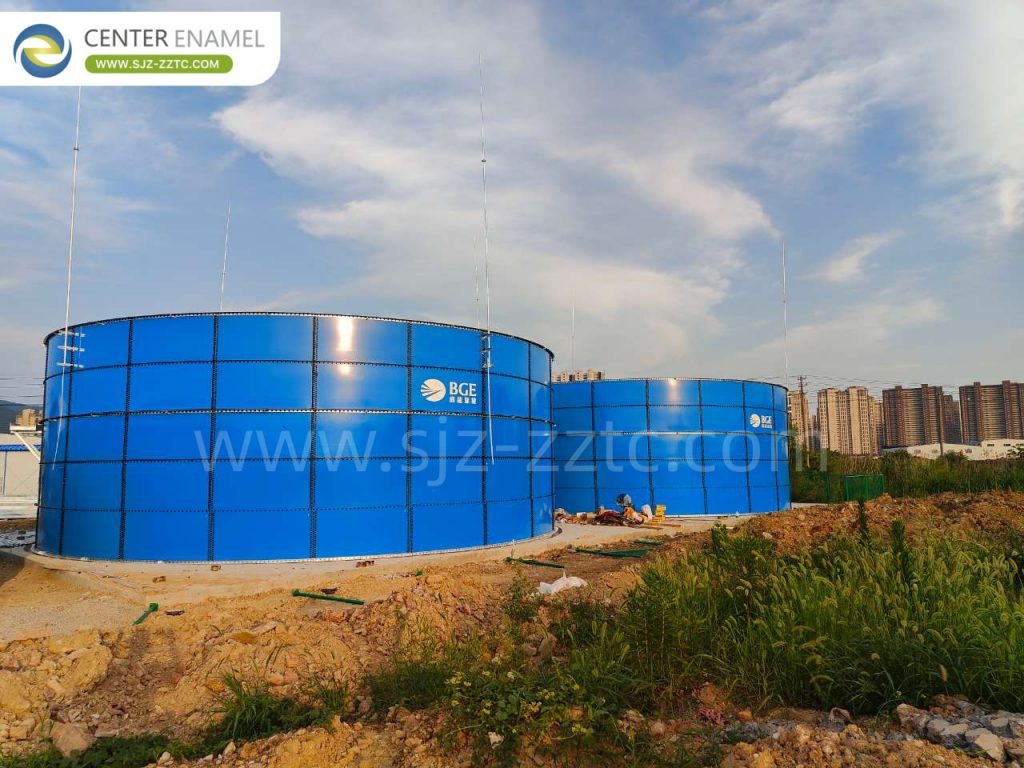
Poultry wastewater is one of the most challenging industrial effluents to manage, characterized by high organic loads, elevated nutrient levels, and complex compositions that make treatment difficult. Fortunately, modern anaerobic digestion technology transforms this environmental liability into a valuable energy resource, producing renewable biogas while meeting stringent discharge standards.
What Is Poultry Wastewater?
Poultry wastewater refers to the liquid effluent generated during poultry processing operations, including slaughtering, scalding, defeathering, evisceration, and meat packaging. The poultry industry consumes substantial volumes of fresh water—on average, processing a single 2.3 kg bird requires approximately 26.5 liters of water . Operations such as eviscerating and bird wash generate enormous wastewater volumes, at 7.57 L/bird and 4.35 L/bird, respectively .
Key Characteristics of Poultry Wastewater
Poultry slaughterhouse wastewater (PSWW) is typically classified as medium- to high-strength wastewater with a complex composition . The primary characteristics include:
High Organic Load: The chemical oxygen demand (COD) typically ranges from 1,250 to 15,990 mg/L, while biochemical oxygen demand (BOD) ranges from 610 to 6,125 mg/L . A high COD indicates substantial oxidizable organic compounds requiring treatment .
Elevated Nutrients: Total nitrogen and total phosphorus are significant concerns. Nitrogen appears in both organic forms (primarily in proteins) and inorganic forms including nitrites and nitrates . Excessive nitrates can lead to harmful algal blooms, oxygen depletion, and fish toxicity. Orthophosphate, originating from disinfectants and cleaning agents, is the most common phosphorus form .
Oil and Grease: Fats, oil, and grease (FOG) concentrations range from 72 to 684 mg/L . This lipid-rich composition poses treatment challenges but also offers high methane potential—FOG can generate up to 1,014 liters of methane per kilogram of volatile solids .
Suspended Solids: Total suspended solids (TSS) range from 300 to 1,273 mg/L , requiring effective solids removal before discharge.
pH Range: The pH typically falls between 6.5 and 9.1, generally neutral to slightly alkaline .
High Water Volume: Discharge from processing operations typically ranges from 5 to 10 gallons per bird, with 7 gallons being a typical value .
Environmental Impact of Untreated Poultry Wastewater
Discharging improperly treated poultry wastewater poses severe environmental and health risks, including deoxygenation of rivers, groundwater contamination, eutrophication, and the spread of water-borne diseases . The high organic content depletes oxygen in receiving waters, threatening aquatic life. Excess nutrients trigger algal blooms that further degrade water quality.
Why Anaerobic Digestion Is the Best Treatment Method
While conventional treatment methods exist—including physical, chemical, and biological processes—anaerobic digestion (AD) stands out as the most sustainable and resource-efficient solution . Unlike conventional methods that simply discharge treated water, AD offers distinct advantages:
Energy Recovery: Anaerobic digestion converts organic matter into methane-rich biogas, a renewable energy source that can offset substantial operational energy costs. Research has demonstrated that anaerobic co-digestion of poultry slaughterhouse waste yields methane up to 529 mL CH4 per gram of volatile solids removed .
Economic Benefits: A typical poultry processing plant could produce approximately 10,520 m³ of biogas per day through effective co-digestion . This biogas can be utilized on-site for electricity generation or heating, significantly reducing external energy consumption.
Nutrient Recovery: The digestate from anaerobic digestion serves as a nutrient-rich organic fertilizer, closing the nutrient loop and supporting agricultural productivity .
Regulatory Compliance: AD systems effectively reduce COD, BOD, TSS, and FOG to meet stringent discharge standards.
Anaerobic Digestion Processes for Poultry Wastewater
CSTR Process
The Continuous Stirred-Tank Reactor (CSTR Process) is a widely adopted system for treating high-strength poultry wastewater. The reactor employs mechanical mixing to maintain homogeneity, ensuring optimal contact between microorganisms and substrate. This configuration prevents stratification and accumulation of volatile fatty acids that can inhibit biogas production. Research on CSTR co-digestion of poultry flotation sludge and activated sludge has demonstrated methane yields reaching 529 mL CH4 per gram of volatile solids removed .
UASB Reactor
The Upflow Anaerobic Sludge Blanket (UASB) reactor is specifically engineered for high-strength industrial wastewater like poultry slaughterhouse effluents . In a UASB system, wastewater flows upward through a dense sludge blanket of anaerobic microorganisms that degrade organic compounds and convert them into biogas. UASB reactors achieve significant reductions in BOD and COD while producing renewable energy. Center Enamel's UASB systems are optimized to handle the unique challenges of poultry wastewater, including fluctuations in composition and high organic loads .
USR Reactor
The Up-flow Solids Reactor (USR) is designed for agricultural waste treatment, allowing solids to move upward with the liquid flow. This configuration is particularly suitable for high-solid feedstocks like poultry manure and litter.
Key Treatment Equipment for Poultry Biogas Systems
Double Membrane Biogas Holder: This critical component collects and stores biogas generated during poultry wastewater treatment . Installed as an integrated flexible roof on the digester, the double membrane system dynamically adjusts to fluctuations in biogas production, ensuring stable gas supply to utilization equipment. The system prevents fugitive methane emissions, controls odors, and maintains a gas-tight seal crucial for environmental compliance .
Solid-Liquid Separator: Efficiently separates digestate into solid and liquid fractions, simplifying downstream processing and nutrient recovery.
Dehydration and Desulfurization Tank: Purifies raw biogas by removing moisture and hydrogen sulfide before utilization.
Center Enamel: Professional Biogas Solutions Provider
Center Enamel stands as a global leader in providing specialized engineering infrastructure for poultry wastewater treatment. As a pioneering manufacturer of Glass-Fused-to-Steel (GFS) tanks in Asia, the company delivers essential containment and processing solutions that make high-efficiency biogas recovery a reality .
Core Products for Poultry Projects:
GFS Tanks: These bolted tanks are the global benchmark for anaerobic reactors in poultry wastewater applications. The glass-fused-to-steel coating provides unparalleled resistance to organic acids and corrosive elements, with a service life exceeding 30 years.
UASB Reactors: Center Enamel's UASB systems are specifically engineered for poultry slaughterhouse wastewater, achieving significant COD and BOD removal while generating biogas for on-site energy use .
Double Membrane Biogas Holders: State-of-the-art gas storage systems that integrate seamlessly with digesters, providing dynamic gas storage with exceptional resistance to corrosive biogas elements .
EPC Contractor Services: Center Enamel provides comprehensive engineering, procurement, and construction services, managing every phase from concept to commissioning .
Conclusion
Poultry wastewater is characterized by high organic loads, elevated nutrients, FOG, and suspended solids that pose serious environmental risks if untreated. Anaerobic digestion—whether through CSTR, UASB, or USR systems—offers the most sustainable solution by transforming this waste into renewable biogas and nutrient-rich fertilizer. With advanced infrastructure from providers like Center Enamel, poultry operations can achieve regulatory compliance, energy independence, and circular economy benefits.
FAQs
Q1: What are the main pollutants found in poultry slaughterhouse wastewater?
The main pollutants include high COD (1,250-15,990 mg/L), high BOD (610-6,125 mg/L), fats/oil/grease (72-684 mg/L), total suspended solids (300-1,273 mg/L), total nitrogen, and total phosphorus. These parameters far exceed acceptable discharge standards and require effective treatment .
Q2: Why is anaerobic digestion preferred over conventional treatment for poultry wastewater?
Anaerobic digestion offers energy recovery through biogas production, reduces operational costs, produces nutrient-rich digestate as fertilizer, and achieves high organic matter removal (COD removal up to 95%). Unlike conventional methods that simply discharge treated water, AD transforms waste into a valuable resource .
Q3: What equipment is essential for a poultry wastewater biogas system?
Key equipment includes an anaerobic digester (CSTR or UASB reactor), a double membrane biogas holder for gas collection and storage, solid-liquid separators, and gas purification systems (dehydration and desulfurization tanks). Center Enamel provides integrated solutions including GFS tanks, UASB reactors, and double membrane biogas holders for complete biogas project implementation .