
What Are the Different Treatment Methods for Oily Wastewater? A Complete Guide
Oily wastewater is generated across a wide spectrum of industries—from petroleum refining and metalworking to food processing and marine spill response. The challenge of treating it lies in the fact that oil exists in multiple physical states: free floating, mechanically dispersed, chemically emulsified, and dissolved. No single treatment method handles all of these forms effectively.
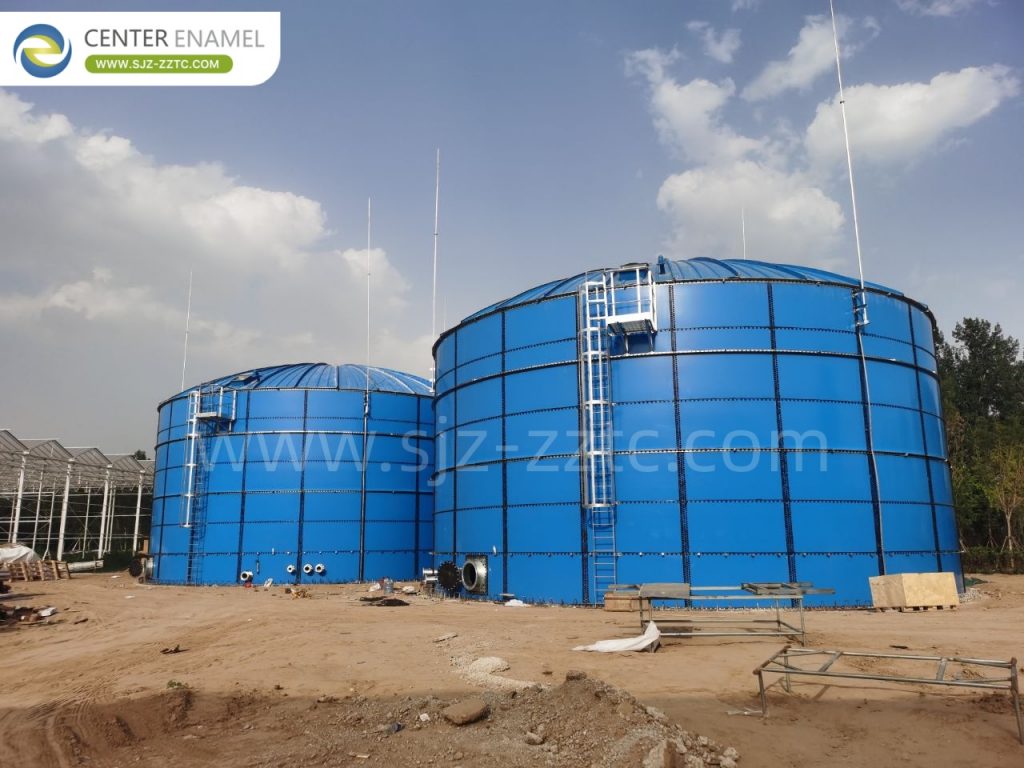
Selecting the right treatment train requires understanding both the nature of the oily stream and the performance characteristics of available technologies. This guide covers the major treatment methods for oily wastewater, from primary gravity separation to advanced membrane and electrochemical processes, with practical comparison tables and guidance on hybrid system design.
Understanding Oily Wastewater: Forms and Challenges
Before selecting a treatment method, it is essential to characterize the oil present. Treatment efficiency depends heavily on the physical state of the oil.
Free oil rises readily to the surface and can be removed by simple gravity skimming. Mechanically dispersed oil consists of larger droplets that may separate with adequate residence time. Emulsified oil is stabilized by surfactants or fine solids and resists gravity separation. Dissolved oil requires biological or chemical destruction.
Surfactants and natural organic matter are the primary culprits behind stable emulsions. They reduce droplet coalescence, intensify membrane fouling, and increase coagulant demand, making treatment significantly more difficult and costly . Elevated salinity and divalent cations further modify interfacial charge and can alter the efficiency of electrocoagulation and adsorption processes .
The regulatory context varies by industry. Under U.S. EPA pretreatment standards, some categories specify oil and grease limits as low as 100 mg/L for new sources discharging to publicly owned treatment works . These limits drive the need for robust, multi-stage treatment systems.
Primary Treatment: Gravity Separation and API Separators
Gravity separation is the foundational method for oily wastewater treatment and is typically the first stage in any treatment train. The principle is simple: oil is less dense than water and rises to the surface where it can be skimmed.
API separators are the classic industrial design, relying on Stokes‘ Law to size the separation chamber. They are most effective when influent oil concentrations exceed approximately 500 mg/L, making them ideal for primary treatment of high-strength streams . Gravity separation offers several advantages: low cost, economic benefit, convenient maintenance, and the ability to recover usable oil .
Corrugated plate interceptors (CPIs) improve upon conventional designs by using inclined plates that reduce the distance oil droplets must travel, enabling more compact footprints and better removal efficiency.
The key limitation of gravity separation is that it effectively removes only free oil. Emulsified and dissolved fractions pass through and require downstream treatment. For this reason, gravity separation is almost always paired with secondary processes.
Secondary Treatment: Dissolved Air Flotation and Chemical Demulsification
Dissolved air flotation (DAF) is the most widely deployed technology for removing emulsified oil following primary separation. The process works by pressurizing a portion of the wastewater stream with air, then releasing it into a flotation chamber where microscopic bubbles attach to oil droplets and lift them to the surface for skimming.
DAF is particularly effective in petroleum refinery applications. EPA data from full-scale refinery DAF units shows oil removal efficiencies ranging from 84% to 99% when preceded by gravity separation and combined with chemical coagulation . Alum is the most common coagulant, typically dosed at 100–150 mg/L, with occasional polyelectrolyte addition as a coagulant aid .
Chemical demulsification is often necessary as a pretreatment for stable emulsions. Adding acids, metal salts, or polymers destabilizes the surfactant films that keep oil droplets dispersed. This step allows DAF to achieve much higher removal rates than physical separation alone. However, chemical addition increases sludge production and requires careful pH control and disposal planning .
A typical petroleum refinery treatment train combining API separation with DAF can achieve effluent oil concentrations around 5 mg/L, with further polishing available through filtration and activated carbon .
Biological Treatment Methods
Biological treatment offers a sustainable and cost-effective approach for biodegradable oils, particularly in food processing and metalworking wastewaters where organic loading is high.
Conventional biological systems—including activated sludge, sequencing batch reactors, and aerated lagoons—can oxidize many oils and greases when properly acclimated. Biological processes are generally most suitable for low-strength oily wastewaters, as high concentrations of toxic or recalcitrant compounds can inhibit microbial activity .
Membrane bioreactors (MBRs) represent a significant advancement in biological treatment of oily wastewater. An MBR combines a suspended growth biological reactor with membrane filtration—typically microfiltration or ultrafiltration—creating a system that retains biomass and provides physical separation of oil and solids.
MBR technology has demonstrated exceptional performance in petroleum industry applications. Studies report removal rates of 99.99% for both fuel oil and lubricating oil, with hydraulic retention times as low as 13.3 hours . The system operates effectively with activated sludge concentrations up to 48 g/L, allowing it to handle heavily polluted streams with high contaminant loads . Monthly monitoring has shown 94–96% reduction in fuel oil and 97–98% reduction in COD and total organic carbon .
The MBR advantage lies in its combined biological and physical treatment mechanism. Biomass degrades dissolved and dispersed oil, while the membrane provides a physical barrier that retains emulsified oil and suspended solids. This dual action makes MBRs particularly attractive where long solids retention times are necessary for degradation of recalcitrant compounds .
Advanced Treatment: Electrochemical and Membrane Technologies
When primary and secondary methods cannot meet discharge limits, advanced treatment technologies provide additional removal capacity.
Electrocoagulation (EC) has gained significant attention as a viable method for removing oil from wastewater . The process works by applying electrical current through sacrificial electrodes—typically aluminum or iron—which generates coagulant ions in situ. These ions destabilize emulsions and facilitate oil separation through adsorption, complexation, and electroflotation effects .
Recent innovations in EC design have improved efficiency and reduced energy consumption. Aluminum mesh electrodes arranged in concentric cylinders have demonstrated rapid kinetics and high energy efficiency for oil removal from emulsions . The mesh geometry provides higher surface area, better flow distribution, and reduced electrode passivation compared to traditional plate designs . EC is particularly effective for emulsified oil that resists gravity and chemical treatment alone.
Membrane separation technologies—including microfiltration, ultrafiltration, nanofiltration, and reverse osmosis—offer physical barriers that can achieve very low effluent oil concentrations. These are typically applied as polishing steps following biological or physicochemical treatment. However, membrane fouling remains the primary operational challenge, particularly with emulsified oil streams.
Advanced membrane materials are addressing these limitations. MXene laminates with tunable nanochannels have demonstrated >99.99% rejection of surfactant-stabilized emulsions while enabling voltage-gated fouling control at ultralow energy consumption (0.3 kWh/m³) . MOF and COF frameworks offer precise molecular sieving capabilities that could transform oil-water separation performance .
Comparison of Oily Wastewater Treatment Methods
The following table summarizes the major treatment methods, their best applications, and key limitations:
| Method | Best For | Typical Removal Efficiency | Key Limitations |
| Gravity Separation (API/CPI) | Free oil, high concentrations (>500 mg/L) | 60–80% free oil | Ineffective for emulsified/dissolved oil |
| Dissolved Air Flotation | Emulsified oil, secondary treatment | 84–99% with coagulation | Chemical costs, sludge production |
| Biological Treatment | Biodegradable oils, low-strength streams | 50–80% (variable) | Sensitive to toxic shocks, requires acclimation |
| Membrane Bioreactor | High-strength, emulsified oil | >99% for fuel/lubricating oil | High capital cost, membrane fouling |
| Electrocoagulation | Emulsified oil, small-to-medium flows | >95% | Electrode consumption, sludge handling |
| Membrane Filtration | Polishing, high-quality effluent | >99% with advanced membranes | Fouling, concentrate disposal |
Hybrid and Integrated Treatment Systems
No single technology can efficiently treat all forms of oil in wastewater. Modern treatment practice increasingly relies on hybrid systems that combine complementary mechanisms.
A comprehensive review of treatment technologies emphasizes that hybrid and integrated systems—such as membrane bioreactors, physico-biological combinations, and electrochemical-adsorptive setups—leverage synergistic mechanisms to improve removal efficiency and operational robustness . These systems can address free, emulsified, and dissolved oil simultaneously.
A typical integrated treatment train for complex oily wastewater might include: gravity separation for free oil removal, chemical demulsification and DAF for emulsified oil, biological treatment or MBR for dissolved organics, and membrane filtration or activated carbon for final polishing. EPA data shows that a system combining API separation, DAF, granular media filtration, and activated carbon can produce effluent with oil concentrations as low as 2 mg/L .
Resource recovery is an emerging consideration in system design. Recovered oil and grease can serve as feedstock for biodiesel production or energy recovery, potentially offsetting treatment costs . Future research is directed toward low-carbon, energy-efficient, and resource-recovery-oriented treatment systems.
How to Select the Right Treatment Method
Selecting the appropriate treatment method requires a systematic evaluation of several factors:
Characterize the oil first. Determine whether the oil is free, emulsified, or dissolved, and identify the presence of surfactants or stabilizing agents. Emulsified oil requires chemical or electrochemical demulsification before separation.
Know your discharge limits. Industrial categories have varying pretreatment standards. Some specify 100 mg/L oil and grease limits for new sources , while others impose more stringent requirements. Design your treatment train to meet the most restrictive applicable limit with a safety margin.
Consider flow variability. Batch processes and intermittent discharges may require equalization tanks to provide consistent loading to biological systems and prevent treatment upsets.
Evaluate hybrid options early. For complex streams containing multiple oil forms, an integrated system is usually more cost-effective than attempting to force a single technology to handle all fractions.
Plan for residuals. Sludge from chemical treatment, concentrate from membrane systems, and spent electrodes from electrocoagulation all require disposal or further processing. These costs should be included in technology selection.
Frequently Asked Questions
What is the most effective method for treating emulsified oil in wastewater?
Dissolved air flotation combined with chemical demulsification is generally the most widely proven approach. Electrocoagulation is an emerging alternative that achieves >95% oil removal without added chemicals, though electrode consumption and sludge handling must be managed .
Can biological treatment handle all types of oily wastewater?
No. Biological systems are effective for biodegradable oils and low-to-moderate strength streams, but they struggle with petroleum-based oils, stable emulsions, and high concentrations of toxic compounds. Biological treatment is typically used as a secondary or polishing step following physical separation .
What removal efficiency can membrane bioreactors achieve for oily wastewater?
MBRs have demonstrated exceptional performance, achieving 99.99% removal for fuel oil and lubricating oil, with 97–98% reduction in COD and total organic carbon in petroleum industry applications . They are particularly suited for high-strength streams where conventional biological treatment would fail.