
What Are the Different Types of Water Treatment Plants?
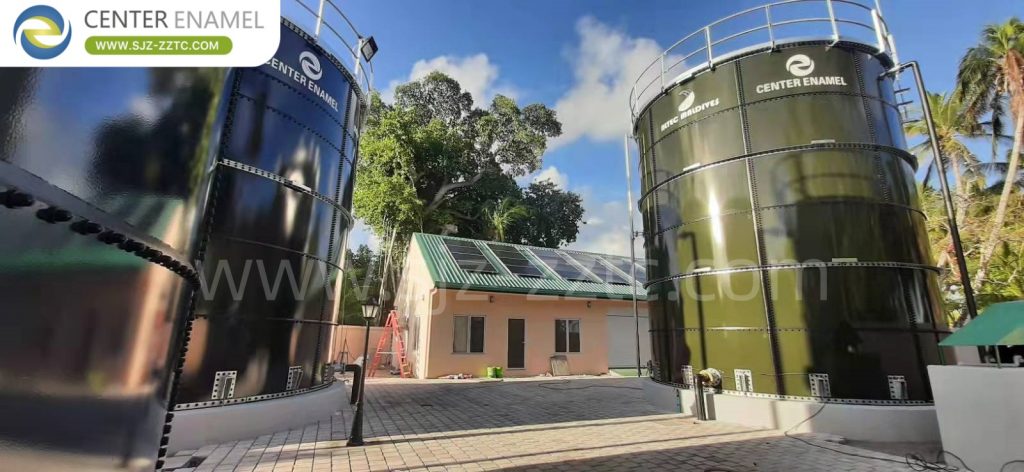
Water is fundamental to human life, industry, and ecosystems—but raw water, sewage, and industrial effluent cannot be safely used or discharged without proper treatment. Water treatment plants are specialized facilities that purify, condition, or remediate water for drinking, industrial use, environmental discharge, or reuse. With rising urbanization, industrial growth, and strict environmental regulations, understanding the different types of water treatment plants has become essential for engineers, project developers, municipal managers, and investors.
This guide classifies water treatment plants by function, water source, and treatment goal. We will explain how each type works, where it is used, and what problems it solves. In the final sections, we introduce key anaerobic technologies, advantages of GFS Tanks, and how Center Enamel delivers reliable EPC solutions for global wastewater and biogas projects.
What Are the Main Types of Water Treatment Plants?
Water treatment plants are generally divided into six major categories based on influent type and treatment purpose:
- Drinking Water Treatment Plants (WTP)
- Municipal Wastewater Treatment Plants (WWTP / STP)
- Industrial Effluent Treatment Plants (ETP)
- Common Effluent Treatment Plants (CETP)
- Seawater Desalination Plants
- Water Reclamation & Reuse Plants
Each category uses distinct physical, chemical, and biological processes to achieve target water quality.
1. Drinking Water Treatment Plants (WTP)
Drinking Water Treatment Plants convert raw water from rivers, lakes, reservoirs, or groundwater into safe, clean drinking water that meets national and WHO standards.
Typical Process
Coagulation & Flocculation: Chemicals bind suspended particles
Sedimentation: Heavy solids settle and are removed
Filtration: Sand, activated carbon, or membrane filters remove fine impurities
Disinfection: Chlorination, UV, or ozone kills bacteria and viruses
Applications
Municipal water supply for cities and towns
Residential, commercial, and public water distribution
Rural centralized drinking water systems
Key Benefits
Eliminates pathogens, turbidity, and harmful chemicals
Ensures public health and stable water supply
Scalable from small villages to mega-cities
2. Municipal Wastewater Treatment Plants (WWTP / STP)
Municipal Wastewater Treatment Plants (also called Sewage Treatment Plants, STP) treat domestic and commercial sewage from households, restaurants, offices, and public facilities.
Typical Process
Primary Treatment: Screening, grit removal, primary sedimentation
Secondary Treatment: Biological oxidation (activated sludge, biofilm, A2O process)
Tertiary Treatment: Filtration, disinfection, nutrient removal
Sludge Treatment: Thickening, digestion, dewatering
Applications
Urban and suburban domestic sewage treatment
Community, campus, hotel, and hospital decentralized systems
Municipal Wastewater Treatment Project for smart cities
Key Benefits
Prevents river and groundwater pollution
Reduces odor and public health risks
Enables water reuse for irrigation, landscaping, and industry
3. Industrial Effluent Treatment Plants (ETP)
Effluent Treatment Plants (ETP) treat wastewater generated by manufacturing and processing industries. Each industry has unique pollutants requiring customized processes.
Typical Wastewater Sources
Textile: dyes, chemicals, high COD
Food & beverage: organic waste, oil, sugar
Pharmaceutical: antibiotics, residues, toxic organics
Petrochemical: oil, hydrocarbons, solvents
Mining & metal: heavy metals, acidity
Common Treatments
Neutralization, coagulation, oxidation
Biological treatment, membrane filtration
Heavy metal removal, sludge dewatering
Key Benefits
Ensures compliance with industrial discharge standards
Protects equipment and pipelines
Supports water recycling and cost reduction
4. Common Effluent Treatment Plants (CETP)
Common Effluent Treatment Plants (CETP) are centralized, shared treatment facilities for industrial zones and small-to-medium enterprise (SME) clusters.
How CETP Works
Collects effluent from multiple factories
Unified collection → equalization → combined treatment
Shared operation and maintenance
Applications
Industrial parks, textile zones, leather clusters, food processing areas
Regions with many small factories unable to build individual ETPs
Key Benefits
Lower investment and operating costs for SMEs
Professional operation ensures stable discharge
Saves land and improves environmental management
ETP vs CETP (Simplified)
ETP: Single factory, independent treatment
CETP: Multiple factories, centralized shared treatment
5. Seawater Desalination Plants
Seawater Desalination Plants convert seawater into usable freshwater for drinking, industry, or agriculture, especially in arid coastal regions.
Main Technologies
Reverse Osmosis (RO): Most widely used
Multi-Stage Flash (MSF)
Multi-Effect Distillation (MED)
Applications
Middle Eastern countries, island nations, coastal cities
Municipal water supply, industrial process water
Key Benefits
Unlimited seawater source
Solves severe water scarcity
Reliable for drought-prone regions
6. Water Reclamation & Reuse Plants
Water Reclamation Plants treat secondary effluent to a higher standard for recycling instead of discharge.
Reuse Uses
Industrial cooling water
Agricultural irrigation
Urban landscaping, road cleaning
Ecological water replenishment
Key Benefits
Reduces freshwater extraction
Lowers overall water costs
Supports circular economy and carbon reduction
Advanced Anaerobic Technologies for Wastewater & Biogas Projects
For high-organic wastewater (municipal, industrial, agricultural), anaerobic digestion is the most efficient technology for pollutant removal and biogas recovery. Below are the four core anaerobic processes widely used in Municipal Wastewater Treatment Project and industrial systems:
1. CSTR (Continuous Stirred-Tank Reactor)
Fully mixed by mechanical agitation
Resists shock loading, prevents stratification and crusting
Ideal for high-solid, high-viscosity wastewater
Stable biogas yield for large-scale projects
2. UASB (Upflow Anaerobic Sludge Blanket)
Uses high-activity granular sludge
High organic loading, excellent COD removal
Small footprint, low energy consumption
Suitable for pre-treated effluent and leachate
3. USR (Upflow Solid Reactor)
Simple structure, low investment
Strong anti-clogging performance
Minimal pretreatment required
Perfect for small-to-medium rural and remote projects
4. IC (Internal Circulation)
Internal circulation enhances mixing and efficiency
3–5 times higher treatment capacity than conventional systems
Compact layout, high biogas production
Ideal for large urban and industrial centralized treatment
These anaerobic processes are often combined with the A2O process to achieve deep nitrogen and phosphorus removal for strict discharge or reuse standards.
Key Advantages of GFS Tanks in Water & Wastewater Projects
GFS Tanks (Glass-Fused-to-Steel Tanks) are the core equipment for storage, digestion, and biogas systems in nearly all types of water treatment plants.
Superior Corrosion Resistance
Enamel coating resists acid, alkali, salt, and corrosive wastewater
Service life exceeds 30 years
Ideal for coastal, humid, and tropical climates
Excellent Airtightness
Special sealing structure prevents biogas leakage
Safe for anaerobic digestion and biogas storage
Modular Bolted Design
Factory-prefabricated, quick on-site assembly
No on-site welding, lower construction risk
Short installation period
Flexible Expansion
Can expand capacity with increasing wastewater or biogas volume
Supports long-term project development
Wide Compatibility
Suitable for:
Anaerobic digestion
Sewage storage
Biogas storage
A2O unit equalization
Process water storage
Firewater storage
Center Enamel: Trusted EPC Contractor for Water Treatment & Biogas Projects
With decades of global experience, Center Enamel is a leading provider of full EPC solutions for Municipal Wastewater Treatment Project, industrial wastewater, and biogas projects.
Our Core Strengths
Strong R&D and Manufacturing: More than 200 enamel technology patents; products meet ISO, AWWA, and other international standards.
Full Turnkey EPC Services: Design, manufacturing, transportation, installation, commissioning, training, and after-sales.
Customized Engineering: Tailored anaerobic systems, A2O configuration, and GFS Tanks based on local water quality, climate, and project scale.
Proven Overseas Experience: Successful projects across Asia, Middle East, Europe, Australia, and Southeast Asia.
High Efficiency & Cost-Effectiveness: High biogas yield, low failure rate, low operating cost.
Comprehensive After-Sales Support: Global service network ensures stable long-term operation.
Typical Project Cases
Case1: Indonesia Municipal Firewater Project
Application: Firewater Storage
Project Location: Indonesia
Tank Dimensions: φ7.64 × 34.8 m (H) — 1 Unit
Total Tank Volume: 1,594 m³
Completion Date: 2018
Case2: Australia Municipal Drinking Water Project
Tank Dimensions: φ46.62 × 6.6 m (H) — 1 Unit
Total Volume: 11,260 m³ — 1 Unit
Completion Date: 2020
Understanding the different types of water treatment plants helps in selecting the right technology for municipal, industrial, or commercial applications. From drinking water purification to wastewater treatment, desalination, and reuse, each plant serves a critical role in water security and environmental protection. For organic wastewater and biogas projects, advanced anaerobic processes and GFS Tanks provide stable, efficient, and long-lasting solutions.
As a professional EPC contractor, Center Enamel integrates leading anaerobic technologies, high-performance GFS Tanks, and full-cycle services to support global clients in achieving reliable water treatment, energy recovery, and sustainable development. Whether for a Municipal Wastewater Treatment Project, industrial ETP/CETP, or large-scale biogas plant, Center Enamel delivers safe, efficient, and cost-effective solutions worldwide.