
What Are the Disadvantages of Chicken Manure? Environmental Risks & Biogas Recycling Solution
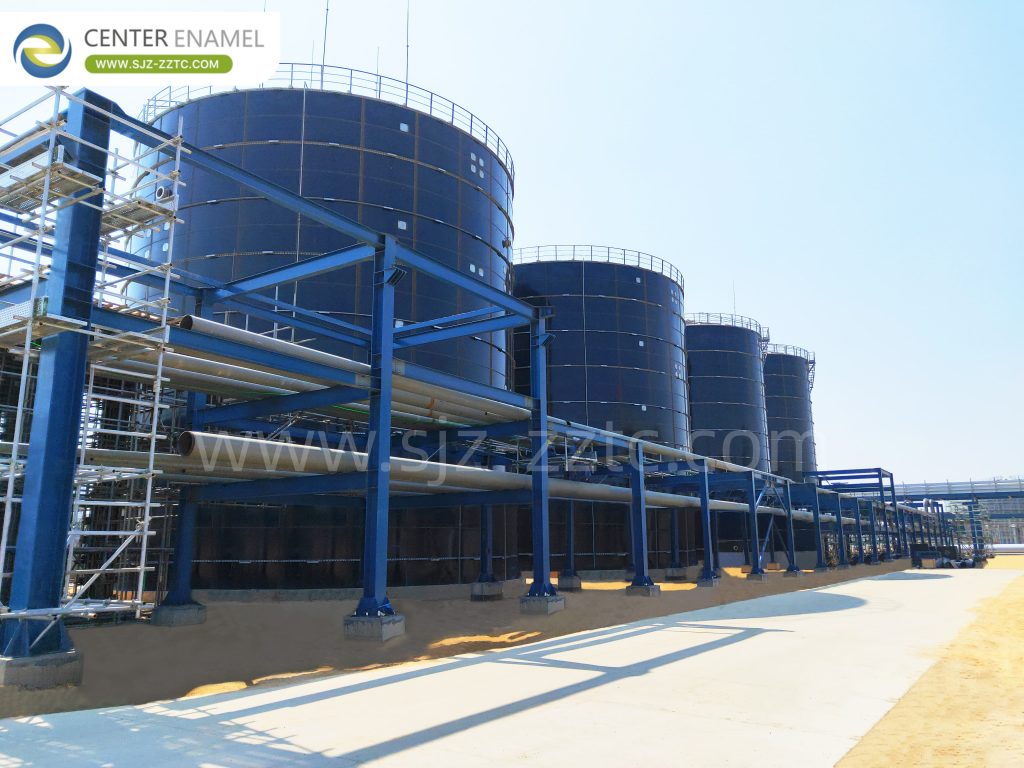
Chicken manure is one of the most common agricultural by-products from global poultry farms. It contains rich nitrogen, phosphorus and organic nutrients, but if left untreated, it brings obvious environmental pollution, health risks and management burdens. Many poultry farm owners ask: What are the disadvantages of chicken manure?
Understanding these drawbacks helps adopt scientific disposal methods, among which turning chicken manure into biogas has become the most ideal circular economy solution. This article analyzes the disadvantages of chicken manure, the value of chicken manure biogas production, and the comprehensive advantages of Center Enamel in livestock manure biogas projects.
Main Disadvantages of Chicken Manure
1. Serious Water Pollution and Eutrophication
Chicken manure has extremely high nitrogen and phosphorus content. Random stacking or direct discharge allows rainwater to wash nutrients into rivers, lakes and groundwater, triggering severe water eutrophication. Algae overgrowth depletes dissolved oxygen, kills aquatic organisms and destroys the original water ecosystem. Long-term manure infiltration also causes groundwater contamination, affecting rural drinking water safety.
2. Pathogen and Bacterial Hazards
Fresh chicken manure carries a large number of harmful pathogens such as Salmonella, E. coli and parasitic eggs. Without harmless treatment, these bacteria easily spread to soil and crops, and further transmit to humans through the food chain, inducing intestinal diseases and infectious problems. It also increases the risk of cross-infection in surrounding livestock.
3. Strong Odor and Air Pollution
During natural decomposition, chicken manure releases ammonia, hydrogen sulfide and volatile organic compounds, producing pungent odor. The odor spreads over a wide area, disturbing the living comfort of nearby residents and triggering resident complaints. At the same time, harmful gases aggravate air pollution and damage the rural living environment.
4. Greenhouse Gas Emission
Untreated chicken manure decomposes naturally and releases large amounts of methane, a greenhouse gas far more potent than carbon dioxide. Massive poultry manure accumulation increases agricultural carbon emissions, conflicting with national carbon neutrality and emission reduction goals.
5. Soil Damage and Weed Propagation
Direct application of fresh chicken manure to farmland easily causes excessive nitrogen burning, damaging crop roots and affecting yield. In addition, chicken manure contains a large number of weed seeds, which will germinate in large quantities after entering the soil, increasing farm weeding costs.
6. Difficult Storage and High Management Cost
Chicken manure has high moisture content and is easy to rot and ferment. Traditional stacking occupies large land resources, is difficult to store in rainy seasons, and requires huge labor and transportation costs for manual cleaning and transfer.
Chicken Manure to Biogas: Perfect Solution to Disadvantages
Facing the many disadvantages of chicken manure, anaerobic digestion to produce biogas has become a mature and efficient recycling method. Through sealed fermentation in professional reactors, chicken manure is completely harmless and converted into renewable resources, fundamentally solving pollution and odor problems.
Biogas Production Principle
Under oxygen-free anaerobic conditions, microorganisms decompose organic matter in chicken manure through hydrolysis, acidification, acetogenesis and methanogenesis, finally producing biogas dominated by methane (55%–70%) and carbon dioxide. The whole process is carried out in a closed tank, no odor leakage and no pathogen spread.
Utilization Value of Chicken Manure Biogas
1. Clean Energy Supply
The produced biogas can be used for farm power generation, heating, poultry house constant temperature and rural daily cooking, replacing fossil fuels and firewood, realizing farm energy self-sufficiency and reducing electricity and fuel costs.
2. Harmless Environmental Treatment
Sealed biogas fermentation eliminates odor, kills most pathogens and parasite eggs, completely solves water pollution, air odor and bacterial transmission disadvantages of chicken manure, and protects rural ecological environment.
3. High-Quality Organic Fertilizer By-product
The biogas slurry and residue after fermentation are stable and nutrient-rich organic fertilizers. They can directly return to farmland, improve soil structure, reduce chemical fertilizer use, and form a circular agricultural model of “breeding-waste-biogas-fertilizer-planting”.
4. Carbon Emission Reduction and Policy Benefits
Biogas projects capture methane that would otherwise be emitted into the air, effectively reducing greenhouse gas emissions. Poultry farms can enjoy renewable energy subsidies and carbon reduction incentives, bringing additional economic benefits.
Center Enamel’s Advantages in Livestock Manure Biogas Projects
As a global leading EPC contractor for poultry and livestock manure biogas projects, Center Enamel perfectly solves all disadvantages of chicken manure through mature anaerobic technologies, high-performance equipment and one-stop turnkey services.
1. Mature Anaerobic Process Matching
Center Enamel applies CSTR, UASB, USR and IC four anaerobic technologies, specially optimized for the high nitrogen and high moisture characteristics of chicken manure. It avoids fermentation inhibition, ensures stable biogas yield and long-term stable operation of the system.
2. High-Performance GFS Core Tanks
Glass-Fused-to-Steel (GFS) Tanks are fused at high temperature of 820°C, with pH 1–14 corrosion resistance, perfectly adapting to the corrosive environment of chicken manure fermentation. Excellent airtightness prevents biogas and odor leakage; bolted assembly enables fast installation and over 30 years of service life, far exceeding concrete tanks.
3. Complete Supporting Equipment
Equipped with double membrane gas holders, FBE epoxy tanks, various tank roof systems and stirring feeding equipment, realizing sealed fermentation, safe gas storage and automatic operation, fully supporting chicken manure biogas project operation.
4. Strong Customization & R&D Strength
Owns more than 200 patented enamel formulas, can customize process design and tank configuration according to poultry farm scale, manure output and local climate, realizing targeted solutions.
5. Strict International Quality Standards
All products comply with ISO 28765, AWWA D103, CE, OSHA and other international standards. Each tank plate passes 1500V high-voltage spark test to ensure no coating defects and no leakage points.
6. Professional Installation & One-Stop EPC Service
Adopts hydraulic jacking top-down installation and zero on-site welding, suitable for complex farm terrain. Provides full lifecycle services from design, manufacturing, installation to commissioning and after-sales, saving customers time and coordination costs.
The disadvantages of chicken manure such as water pollution, pathogen spread, odor disturbance and carbon emission have long plagued global poultry farming. Converting chicken manure into biogas through anaerobic digestion is the most effective way to turn waste into treasure. It not only eliminates all pollution risks, but also produces clean biogas energy and high-quality organic fertilizer, creating economic and environmental double benefits. With mature anaerobic technologies, durable GFS tanks, complete supporting equipment and rich EPC experience, Center Enamel provides reliable one-stop biogas solutions for poultry farms worldwide, helping the livestock industry achieve green, low-carbon and circular sustainable development.