
What Are the Latest Biogas Technologies? 2026 Innovations in AD, Upgrading, and Power
The latest biogas technologies of 2026 center on higher-rate digestion and cleaner upgrading: dry and two-stage anaerobic digestion raise throughput on low-moisture feedstock; membrane and cryogenic upgrading cut biomethane cost to $0.10–$0.18/m³; and solid-oxide fuel cells plus lean-burn CHP lift electrical efficiency to 40–55%. Together they shrink CAPEX per unit of green gas and widen the feedstock window from wet food waste to dry MSW organics.
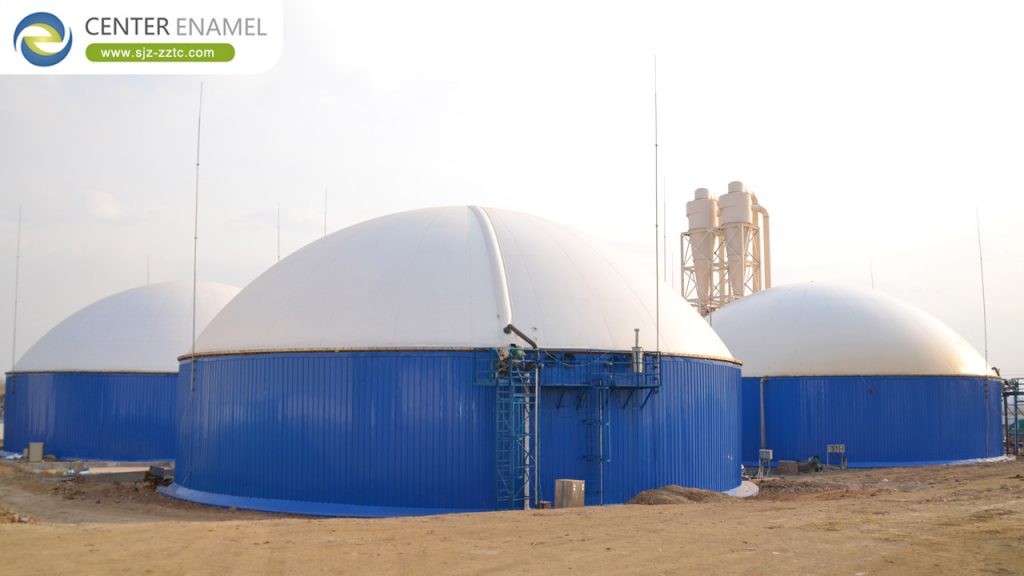
Digestion: Dry, Two-Stage, and High-Rate
Dry digestion (20–40% total solids) handles source-separated MSW and agro residues without dilution water, cutting reactor volume. Two-stage designs separate acidogenesis from methanogenesis, letting each step run at its optimal pH and temperature for 15–30% higher throughput. High-rate systems with improved mixing and bioaugmentation push organic-loading rates up while holding stable mesophilic performance—especially valuable for variable food- and manure-based feedstocks.
Comparative Data Table: Upgrading Routes in 2026
| Method | Purity CH₄ | Cost ($/m³) | Notes |
| Water scrubbing | 96–98% | 0.12–0.20 | Mature, high water use |
| Membrane (CO₂/H₂S) | 95–97% | 0.10–0.16 | Compact, modular |
| Cryogenic | 97–99% | 0.10–0.18 | Co-recovers CO₂ |
Power Conversion: From CHP to Fuel Cells
Lean-burn and spark-ignition CHP now reach 38–45% electrical with useful 45–50% thermal recovery, while solid-oxide fuel cells (SOFC) convert biogas to power at 50–55% electrical with almost no NOx. Hybrid layouts run SOFC on clean gas and use waste heat for digester heating, pushing overall energy utilization above 85%. Biological methanation and CO₂ capture are increasingly bundled, so one plant exits with both biomethane and a CO₂ product.
Frequently Asked Questions (FAQ)
Q1: What is new in anaerobic digestion?
A: Dry digestion and two-stage designs lead 2026 advances—dry systems handle low-moisture MSW without dilution water, and two-stage separation of acidogenesis from methanogenesis lifts throughput 15–30% while stabilizing performance on variable feedstock.
Q2: What is the newest biogas upgrading method?
A: Membrane and cryogenic routes are the newest mainstream options. Membranes give compact modular 95–97% CH₄ at $0.10–0.16/m³; cryogenic reaches 97–99% and co-recovers food-grade CO₂, cutting levelized cost versus legacy water scrubbing.
Q3: How is biogas converted to power in 2026?
A: Lean-burn CHP reaches 38–45% electrical plus heat recovery; solid-oxide fuel cells hit 50–55% electrical with near-zero NOx. Hybrid SOFC-plus-heat-recovery layouts push total energy use above 85%.
Q4: Do these technologies lower CAPEX?
A: Yes. Modular membranes, dry digesters, and fuel cells shrink plant footprint and balance-of-plant cost, lowering CAPEX per unit of biomethane and widening the viable feedstock window from wet to dry organics.