
What Are the Main Components of a WWTP?
A wastewater treatment plant (WWTP) is built from a chain of unit processes: screening and grit removal, equalization, primary settling, biological treatment, secondary clarification, disinfection, and sludge handling. Each unit does one job, and the plant is the sequence that turns raw sewage into a compliant effluent while managing the solids it pulls out along the way.
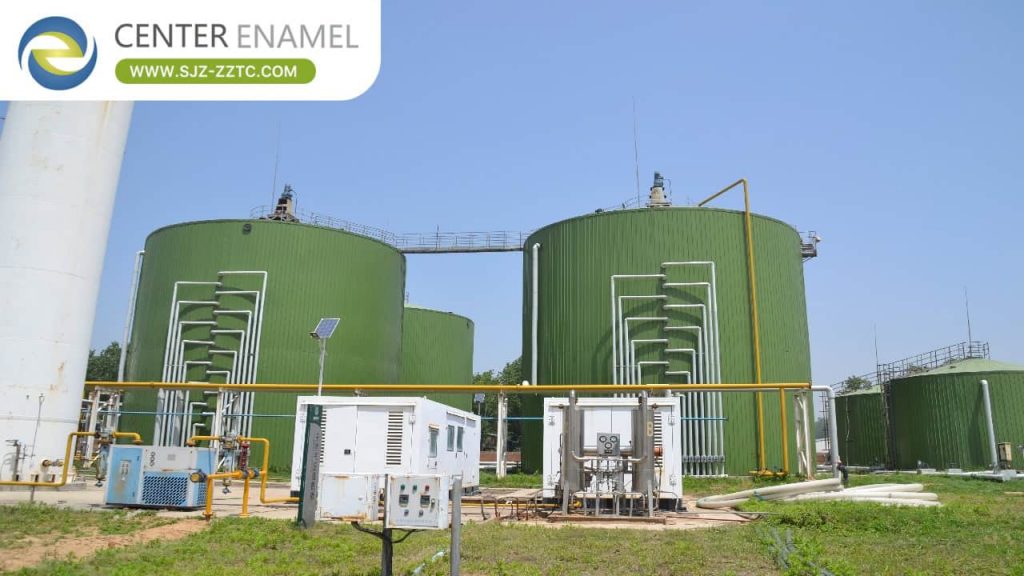
The Unit Chain
Coarse and fine screens and grit removal protect later equipment. Equalization smooths flow. Primary settling drops heavy solids. Biological treatment (activated sludge, A²O, or anaerobic UBF) removes dissolved organics and nutrients. Secondary clarification separates biomass, disinfection kills pathogens, and sludge handling deals with everything removed.
Design Parameter Table
| Component | Typical value or range | Why it matters |
| Screen / grit | Coarse + fine, 0.2-2 mm | Protects equipment |
| Equalization | Hours of storage | Steadies flow |
| Primary settle | 1-2 h retention | Drops heavy solids |
| Biological | A²O / UBF / AS | Removes COD and N/P |
| Disinfection | UV or chlorine | Pathogen kill |
| Limitation to check | Sludge balance | Must be handled |
Primary vs Secondary vs Sludge
| Stage | Removes | Typical unit |
| Primary | Grit and settleable solids | Settling tank |
| Secondary | Dissolved COD, N, P | Biological reactor + clarifier |
| Sludge | Separated solids | Thickening + dewatering |
Project Case Study
Domestic Sewage Treatment Project, Ghana. The 1,800 m³/day municipal plant shows the component chain in practice: a UBF anaerobic reactor, secondary sedimentation, and two A²/O tanks together deliver COD 1,000 to 100 mg/L, BOD 500 to 25, ammonia 30 to 10, and total phosphorus 10 to 2 mg/L.
| Project | Domestic Sewage Treatment Project, Ghana |
| Location | Ghana |
| Industry | Municipal / Domestic Sewage |
| Application | UBF + A²/O biological treatment |
| Product | UBF Ø11.46 × 9.6 m, A²/O 2 × Ø20.64 × 6.6 m |
| Result | COD 1,000→100, BOD 500→25, NH₃ 30→10 mg/L |
| Status | Delivered 2021 |
About Shijiazhuang Zhengzhong Technology Co., Ltd (Center Enamel)
Shijiazhuang Zhengzhong Technology Co., Ltd (Center Enamel) delivers the installation and project backbone of these components: bolted GFS tanks serve as equalization, biological reactors, clarifiers, and sludge units, with enamel fused at 820-930°C for an inert barrier, built to ISO 28765 / AWWA D103 and CE-EN 1090. Prefabricated, site-assembled tanks turn the component list into a fast, repeatable build.
A WWTP is screens, equalization, primary and biological treatment, secondary clarification, disinfection, and sludge handling, in that order. Send your flow and limit and we will assign a GFS tank to each component.
Frequently Asked Questions (FAQ)
Q1: What units are in a WWTP?
A: Screening, grit removal, equalization, primary settling, biological treatment, secondary clarification, disinfection, and sludge handling.
Q2: What does primary treatment remove?
A: Grit and settleable solids in a settling tank, protecting the biological stage.
Q3: What does secondary treatment do?
A: Biological reactors and clarifiers remove dissolved COD and nutrients such as nitrogen and phosphorus.
Q4: How is sludge handled?
A: Thickened and dewatered, then stabilized (often anaerobically, recovering biogas) or land-applied under regulation.
Q5: Why equalize before biological?
A: Equalization steadies flow and load so the biological stage performs consistently.
Q6: Can one tank type serve several units?
A: Yes, bolted GFS tanks are reused across equalization, biological, and sludge duties with different internals.
Suggested CTA
Send your flow and discharge limit. We will map each WWTP component to a GFS tank and return a build plan.