
What Are the Three Main Characteristics of Wastewater?
Wastewater is any water that has been adversely affected in quality by human activity . It originates from domestic residences, commercial properties, industries, institutions, and agriculture. The composition of wastewater varies widely depending on its source, but its nature is universally described by three main categories of characteristics: physical, chemical, and biological . Understanding these three dimensions is fundamental to designing effective treatment systems and ensuring regulatory compliance.
Physical Characteristics of Wastewater
The physical characteristics of wastewater are the properties that can be observed or measured through physical means, such as appearance, temperature, and the presence of solid materials.
Solids Content
The total solids content is perhaps the most important physical characteristic of wastewater. It is composed of floating matter, settleable solids, colloidal matter, and dissolved solids . Total solids are further classified into total suspended solids (TSS), which are retained on a filter, and total dissolved solids (TDS), which pass through . Settleable solids are measured by the volume accumulated at the bottom of a cone after one hour of settling . Excessive solids can cause sludge deposits and anaerobic conditions in receiving waters.
Temperature
The temperature of wastewater is typically higher than that of the water supply due to domestic and industrial use . It affects chemical reaction rates, biological activity, and oxygen solubility—warmer water holds less dissolved oxygen. Optimum temperature for bacterial activity in biological treatment ranges from 25°C to 35°C .
Turbidity and Color
Turbidity measures the cloudiness of wastewater caused by suspended particles that scatter light . It is an important indicator of water quality and can shield pathogens from disinfection. Color in wastewater often results from decaying vegetation or industrial discharges and is generally an aesthetic concern rather than a health risk . Natural color can give water a yellow-brownish appearance that may be objectionable to users.
Odor
Odor in wastewater is produced by gases generated during the decomposition of organic matter, particularly hydrogen sulfide . Fresh wastewater has a somewhat soapy or oily odor, while septic wastewater produces a distinctive "rotten egg" smell.
Chemical Characteristics of Wastewater
Chemical characteristics describe the dissolved and suspended chemical constituents that determine the wastewater's reactivity, corrosivity, and potential to deplete oxygen in receiving waters.
Organic Matter: BOD and COD
Organic matter in wastewater is primarily composed of carbohydrates, proteins, and fats. Its concentration is typically measured by two key parameters:
Biochemical Oxygen Demand (BOD) measures the amount of dissolved oxygen consumed by microorganisms during the biochemical oxidation of organic matter—typically over 5 days at 20°C (BOD₅) . Domestic sewage typically has a BOD of around 250 mg/L .
Chemical Oxygen Demand (COD) measures the oxygen equivalent of the organic matter that can be chemically oxidized . COD is always higher than BOD because it includes both biodegradable and non-biodegradable pollutants. Typical domestic sewage has a COD of about 500 mg/L .
Inorganic Constituents
Inorganic chemicals in wastewater include nitrogen, phosphorus, chlorides, sulfates, heavy metals, and pH-determining substances . Nitrogen (in ammonia, nitrate, and organic forms) and phosphorus are key nutrients that can lead to eutrophication in receiving waters . Industrial discharges may introduce heavy metals, motor oil, and refractory organic compounds that are not readily removed by conventional treatment . The pH of wastewater indicates its acidity or alkalinity and affects treatment efficiency and the survival of aquatic organisms.
Oxygen and Gases
Dissolved oxygen (DO) is typically low or absent in raw wastewater due to the high oxygen demand of organic pollutants . Gases such as hydrogen sulfide (from anaerobic decomposition) and methane (produced in anaerobic digesters) may also be present.
Biological Characteristics of Wastewater
The biological characteristics of wastewater are defined by the microorganisms it contains. These organisms are central to both the decomposition of organic matter and the potential health risks associated with wastewater.
Pathogenic Organisms
Wastewater, particularly from domestic sources, contains a wide range of pathogenic microorganisms, including bacteria, viruses, protozoa, and helminths . These organisms can cause diseases such as cholera, typhoid, and hepatitis. The concentration of pathogens in raw wastewater can be very high—for example, total coliform bacteria can reach 180 million CFU per 100 mL .
Indicator Organisms
Because testing for every possible pathogen is impractical, wastewater quality is often monitored using indicator organisms—bacteria that are commonly found in the intestines of warm-blooded animals. The coliform index is the most widely used measure of potential fecal contamination and the possible presence of other intestinal pathogens .
Decomposing Microorganisms
Wastewater also contains a diverse community of microorganisms that actively break down organic matter. These include bacteria, fungi, algae, and protozoa . In the context of biological wastewater treatment, these microorganisms are essential for stabilizing organic pollutants and converting them into less harmful substances such as carbon dioxide, water, and biomass.
Why Understanding Wastewater Characteristics Matters
Understanding the physical, chemical, and biological characteristics of wastewater is essential for several reasons:
Treatment Design: The properties of wastewater directly determine the type and scale of treatment required. High BOD loads require biological treatment, while chemical contaminants may need physical-chemical processes.
Regulatory Compliance: Discharge permits typically specify limits for parameters such as BOD, TSS, pH, and nutrients. Understanding wastewater characteristics is necessary to meet these standards.
Environmental Protection: Wastewater discharged without adequate treatment can deplete oxygen, contaminate drinking water supplies, and harm aquatic ecosystems.
Center Enamel: Your Professional Partner for Wastewater Treatment Solutions
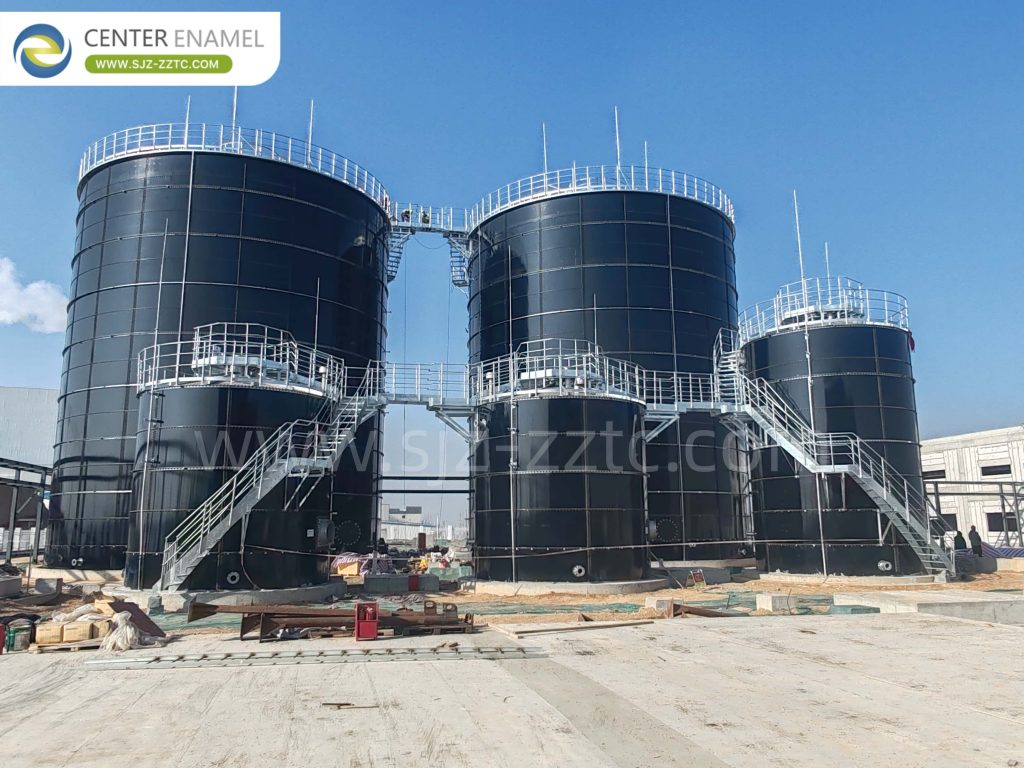
With over 36 years of commitment to water and wastewater projects, Center Enamel has established itself as a world-leading EPC contractor and the largest manufacturer of Glass-Fused-to-Steel (GFS) tanks in Asia . Our expertise lies in providing advanced infrastructure for municipal and industrial wastewater treatment projects, engineered to handle the full spectrum of wastewater characteristics—from high-strength organic loads to corrosive chemical effluents.
GFS Tanks: The Industry Standard for Durability
Our flagship GFS tanks are fabricated by fusing high-tech glass enamel to specialized steel at temperatures exceeding 820°C, creating a surface that is chemically inert and exceptionally corrosion-resistant . This technology provides:
Unparalleled corrosion resistance against organic acids, hydrogen sulfide, and aggressive industrial chemicals (effective across the pH 1 to 14 range)
A service life of over 30 years with minimal maintenance
Rapid modular installation through bolted design, eliminating the need for heavy on-site welding and long concrete curing times
Seismic resilience suitable for regions with active seismic activity
Integrated Wastewater Treatment Capabilities
Beyond tank manufacturing, Center Enamel delivers comprehensive EPC solutions that integrate the full range of treatment technologies required for effective wastewater management:
Anaerobic Digestion Systems: High-rate reactors such as the CSTR (Completely Stirred Tank Reactor), IC (Internal Circulation), and UASB (Upflow Anaerobic Sludge Blanket) housed in our GFS tanks to achieve efficient organic matter removal and biogas recovery .
Double Membrane Roof Systems: Integrated biogas capture systems that provide airtight containment and enable energy recovery from the anaerobic digestion of organic pollutants .
Aluminum Dome Roofs: Maintenance-free, corrosion-resistant covers for storage and treatment stages where gas capture is not required, providing essential odor control .
Global Track Record
Center Enamel has successfully delivered wastewater treatment solutions in over 100 countries . Our turnkey EPC service model ensures seamless project execution from design through to commissioning and long-term after-sales support. Our certifications, including ISO 9001, NSF/ANSI 61, AWWA D103, and CE/EN 1090, reflect our unwavering commitment to quality and safety .
Whether your wastewater challenge involves high-strength industrial effluent, municipal sewage, or agricultural runoff, Center Enamel provides the technology, engineering expertise, and professional support needed to transform wastewater from an environmental burden into a resource.
FAQ
1. Why are BOD and COD important in wastewater treatment?
BOD and COD measure the amount of oxygen required to break down organic matter in wastewater. They indicate the potential impact on receiving water bodies—high BOD/COD levels deplete dissolved oxygen, harming aquatic life. These parameters are critical for designing treatment systems and ensuring regulatory compliance.
2. What is the difference between total suspended solids and total dissolved solids?
Total suspended solids (TSS) are particles that can be filtered out of wastewater, while total dissolved solids (TDS) pass through a filter and remain in solution. TSS contributes to turbidity and sludge formation, whereas TDS affects water salinity and can be harmful to aquatic organisms.
3. Why are biological characteristics important in wastewater?
Biological characteristics, particularly indicator organisms like coliform bacteria, are used to assess the presence of pathogens and the potential health risks associated with wastewater. They are essential for ensuring that treated water is safe for discharge or reuse.