
What Are the Three Types of Wastewater Treatment?
Every drop of water that goes down your drain or toilet must be cleaned before it can safely return to the environment-and that cleaning process relies on three distinct but complementary types of treatment: physical, chemical, and biological. Together, these three pillars of wastewater treatment form a multi-barrier system that removes solids, dissolves organic matter, neutralizes pathogens, and polishes water to a quality that protects both human health and aquatic ecosystems. In this comprehensive guide, we will explore each of these three treatment types in detail, explain how they work, what contaminants they target, and why all three are indispensable for modern wastewater management.
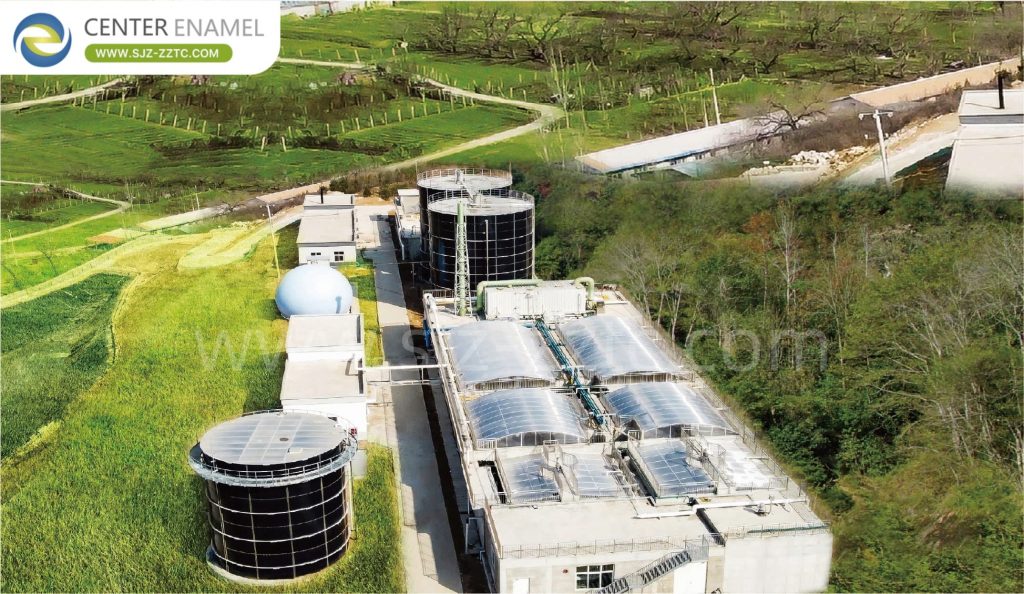
An Overview of the Three Wastewater Treatment Types
Wastewater treatment is not a single process but a carefully orchestrated sequence of different treatment types, each designed to remove specific categories of pollutants. These three fundamental types are:
Physical Treatment – Uses mechanical forces and natural physical principles to separate solids from water.
Chemical Treatment – Relies on chemical reactions to transform dissolved pollutants into removable forms or to neutralize harmful substances.
Biological Treatment – Employs microorganisms to digest and break down organic matter and nutrients.
The table below provides a quick comparison of these three treatment types:
| Treatment Type | Primary Mechanism | Target Pollutants | Typical Stage in Plant |
| Physical | Screening, sedimentation, flotation, filtration | Suspended solids, grit, floating oils/grease | Primary treatment |
| Chemical | Coagulation, precipitation, disinfection, oxidation | Dissolved phosphorus, pathogens, heavy metals, color | Tertiary/advanced treatment |
| Biological | Aerobic/anaerobic microbial digestion | Dissolved organic matter (BOD), nitrogen, biodegradable pollutants | Secondary treatment |
While each type can function independently, they are most effective when integrated into a complete treatment train, where physical methods prepare the water for biological digestion, and chemical processes provide the final polishing to meet strict discharge standards.
Physical Wastewater Treatment: Separating by Force and Gravity
Physical wastewater treatment is the oldest and most fundamental form of water purification-it relies on simple mechanical forces and natural physical principles to remove suspended solids and floating materials without altering the chemical composition of the water. This treatment type is typically the first barrier in any wastewater treatment plant, protecting downstream equipment and reducing the pollutant load for subsequent biological and chemical stages.
Screening: The First Line of Defense
The physical treatment process begins with screening. As raw wastewater enters the plant, it passes through a series of screens with progressively smaller openings-from coarse screens (with bars spaced 1–2 inches apart) to fine screens (with openings as small as 0.02 inches). These screens capture large debris such as rags, plastics, sticks, sanitary products, and other solids that could clog pumps, damage equipment, or interfere with later treatment processes. The captured material is automatically removed, washed, compacted, and sent to landfill or incineration.
Grit Removal: Protecting Mechanical Equipment
After screening, the wastewater flows into a grit chamber-a specially designed tank where flow velocity is reduced to approximately 1 foot per second. At this controlled speed, heavier inorganic particles like sand, gravel, coffee grounds, and eggshells settle to the bottom by gravity, while lighter organic solids remain suspended and continue downstream. Removing grit is essential to prevent abrasive wear on pumps and mechanical equipment and to avoid accumulation in sludge treatment systems.
Sedimentation and Clarification
The most important physical process is sedimentation, which occurs in large tanks called primary clarifiers or settling tanks. Wastewater is held in these tanks for 1.5 to 2.5 hours, allowing suspended solids to settle to the bottom as sludge. Meanwhile, lighter materials like fats, oils, and grease float to the surface and are skimmed off by rotating collection mechanisms. Sedimentation can remove 50–60% of total suspended solids and 30–40% of the biochemical oxygen demand (BOD)-a significant reduction that makes the subsequent biological treatment much more efficient.
Advanced Physical Processes
Beyond these core steps, physical treatment also includes dissolved air flotation (DAF) , where fine air bubbles attach to suspended particles and float them to the surface for removal. Filtration through sand, gravel, or membrane filters is another physical method used in advanced treatment to capture fine particles that escape sedimentation. These physical processes are energy-efficient, require relatively simple equipment, and do not introduce chemicals into the water stream.
Chemical Wastewater Treatment: Transforming Pollutants Through Reactions
Chemical treatment uses a variety of chemical reactions to remove or neutralize pollutants that cannot be adequately addressed by physical or biological methods alone. This treatment type is particularly effective for dissolved substances, pathogens, and specific contaminants like phosphorus and heavy metals. Chemical processes are most commonly applied at the tertiary (polishing) stage, though some chemicals are also used during primary treatment to enhance solids removal.
Coagulation and Flocculation
One of the most widely used chemical treatment processes is coagulation and flocculation. In this process, chemical coagulants-typically aluminum sulfate (alum), ferric chloride, or ferric sulfate-are added to the wastewater. These positively charged ions neutralize the negative electrical charges on fine suspended particles, causing them to destabilize and clump together. Next, a polymer flocculant is added to bind these micro-clumps into larger, heavier aggregates called "flocs." These flocs can then be easily removed by sedimentation or filtration. This process is highly effective for removing colloidal solids, color, and some dissolved organic matter that would otherwise pass through physical treatment.
Chemical Precipitation for Phosphorus Removal
Phosphorus is a major nutrient that causes eutrophication in lakes and estuaries, and biological treatment alone removes only a fraction of it. Chemical precipitation addresses this by adding metal salts (alum, ferric chloride, or lime) to the wastewater. These chemicals react with dissolved phosphate to form insoluble metal phosphate precipitates, which settle out as sludge. This method can achieve phosphorus removal rates of 90–99%, making it essential for protecting sensitive water bodies.
Disinfection: Killing Pathogens
Disinfection is a critical chemical treatment step that eliminates disease-causing microorganisms. The most common chemical disinfectant is chlorine, applied as chlorine gas, sodium hypochlorite, or calcium hypochlorite. Chlorine oxidizes cell walls and disrupts the metabolic processes of bacteria, viruses, and other pathogens. However, chlorination can produce harmful disinfection byproducts, so many plants now use alternative chemical oxidants like ozone or perform disinfection with ultraviolet (UV) light-though UV is technically a physical process, it is often discussed alongside chemical disinfection for its similar end goal.
Other Chemical Processes
Additional chemical treatment methods include:
Chemical oxidation using hydrogen peroxide, ozone, or potassium permanganate to break down persistent organic pollutants and remove odors.
Ion exchange, where chemical resins exchange harmful ions (like heavy metals) with benign ions in the water.
pH adjustment using acids or alkalis to optimize conditions for other treatment processes or to meet discharge standards.
Activated carbon adsorption, which chemically binds organic contaminants to the surface of carbon particles.
Chemical treatment offers precise, controllable removal of specific pollutants, but it also generates chemical sludge that requires careful handling and disposal, and it adds operating costs for chemical purchasing and storage.
Biological Wastewater Treatment: Harnessing Nature's Power
Biological treatment is often considered the "heart" of the wastewater treatment process, responsible for removing the majority of dissolved and biodegradable organic matter. This treatment type mimics and accelerates natural purification processes by cultivating microorganisms-primarily bacteria, protozoa, and fungi-that feed on organic pollutants and convert them into carbon dioxide, water, and new cellular biomass. Biological treatment is almost always the secondary stage in conventional treatment plants, following physical primary treatment.
Aerobic Biological Treatment
The most common form of biological treatment is aerobic, meaning it requires oxygen. The activated sludge process is the standard method used in large municipal plants. In this system, wastewater is mixed with a concentrated population of microorganisms (the "activated sludge") in an aeration tank, where air or pure oxygen is continuously bubbled through the mixture. The oxygen allows aerobic bacteria to thrive and rapidly consume organic matter. After several hours of aeration, the mixture flows to a settling tank where the bacterial flocs settle out. Some of this sludge is returned to the aeration tank to maintain the microbial population, while the excess is removed for further treatment.
Another aerobic method is the trickling filter, where wastewater is sprayed over a bed of rocks or plastic media covered with a biofilm of microorganisms. As the water trickles through the media, bacteria and other organisms absorb and digest the organic pollutants from the wastewater.
Other aerobic biological processes include:
Oxidation ditches – extended aeration systems used in smaller communities.
Sequencing batch reactors (SBR) – fill-and-draw systems that perform all treatment steps in a single tank.
Moving bed biofilm reactors (MBBR) – use plastic carriers with attached biofilms.
Membrane bioreactors (MBR) – combine biological digestion with membrane filtration for superior effluent quality.
Anaerobic Biological Treatment
Biological treatment can also occur in the absence of oxygen, known as anaerobic treatment. This process is particularly important for treating high-strength industrial wastewater and for stabilizing the sludge generated during treatment. In anaerobic digesters, specialized bacteria break down complex organic matter through a series of steps, ultimately producing biogas-a valuable mixture of methane and carbon dioxide that can be captured and used to generate electricity and heat. Anaerobic treatment removes less organic matter than aerobic treatment but requires no aeration energy and produces a usable energy product.
Nutrient Removal (Nitrogen)
Biological processes are also essential for removing nitrogen, a key nutrient that contributes to algal blooms. This is achieved through a two-step biological process:
Nitrification – under aerobic conditions, bacteria convert ammonia (NH₃) to nitrate (NO₃⁻).
Denitrification – under anoxic conditions (low oxygen), bacteria convert nitrate to harmless nitrogen gas (N₂), which is released into the atmosphere.
Monitoring Biological Health
Biological treatment systems require careful monitoring to maintain optimal conditions for the microorganisms. Key parameters include dissolved oxygen levels (typically 2–4 mg/L), pH (6.5–8.0), temperature (20–35°C for mesophilic bacteria), and the food-to-microorganism (F/M) ratio. A healthy biological system produces a well-settling sludge with a pleasant earthy odor, while imbalances can lead to issues like sludge bulging, foaming, or poor effluent quality.
How the Three Types Work Together: An Integrated Approach
While we have discussed physical, chemical, and biological treatment as separate categories, in practice they are intimately integrated into a complete treatment system. Each type complements the others, with the strengths of one compensating for the weaknesses of another.
| Stage | Treatment Types Used | Pollutants Removed | Effluent Quality |
| Preliminary/Primary | Physical | Suspended solids, grit, grease | Moderately clean (30–50% BOD removal) |
| Secondary | Biological | Dissolved organic matter, ammonia | Clean (85–90% BOD removal) |
| Tertiary/Advanced | Chemical + Physical (filtration) | Phosphorus, pathogens, trace contaminants | Highly polished (95–99% removal) |
Physical treatment removes the "easy" pollutants-solids and floatables-preparing the wastewater for biological digestion. Biological treatment, which is the most cost-effective method for removing dissolved organic matter, does most of the heavy lifting. Then chemical treatment polishes the effluent, removing nutrients and pathogens that biological and physical methods cannot adequately address. This staged, multi-type approach is the reason modern wastewater treatment plants can achieve removal rates exceeding 95% for most contaminants, producing effluent that is often cleaner than the receiving water body itself.
Choosing the Right Combination for Different Applications
Not every wastewater treatment scenario requires all three treatment types. The specific combination depends on the wastewater source, the discharge standards, cost considerations, and the available land and resources.
For municipal sewage serving large populations, a full three-stage system (physical + biological + chemical tertiary) is standard. This ensures compliance with strict environmental regulations and protects public health. For industrial wastewater containing heavy metals or toxic chemicals, chemical treatment may be more prominent than biological treatment, as microbes may be inhibited by the pollutants. Some industries use advanced oxidation processes combining chemical and physical methods.
For small communities or individual homes, simpler systems like septic tanks (physical) followed by drain fields (biological soil treatment) may suffice. Package treatment plants for homes or small businesses often combine physical screening, biological aeration (SBR or MBBR), and chemical disinfection (UV or chlorine) in a compact, pre-fabricated unit. Agricultural and aquaculture applications may rely more on biological treatment using constructed wetlands or stabilization ponds, with minimal chemical use.
Increasingly, water scarcity is driving adoption of water reuse and recycling systems, which require the full suite of treatment types-including advanced physical (membrane filtration), biological (nutrient removal), and chemical (disinfection, reverse osmosis)-to produce water safe for irrigation, industrial cooling, or even indirect potable reuse.
Maintenance and Operational Considerations for Each Type
Each wastewater treatment type has distinct maintenance requirements and operational challenges.
Physical treatment components (screens, grit chambers, clarifiers) are mechanically robust but require regular cleaning to prevent clogging and sludge accumulation. Screens must be inspected daily, grit chambers need periodic cleaning (weekly or monthly), and clarifiers require sludge removal (often continuous with automated scrapers). The main challenge is preventing debris buildup and ensuring mechanical reliability.
Biological treatment requires the most sophisticated monitoring and control. Operators must maintain optimal dissolved oxygen, pH, temperature, and nutrient balance to keep the microbial community healthy. Regular testing of mixed liquor suspended solids (MLSS), sludge volume index (SVI), and effluent BOD/COD is essential. Problems like sludge bulking (poor settling), foaming, or nitrification failure require prompt corrective actions. Most biological systems benefit from daily operator attention and computerized process control.
Chemical treatment involves managing chemical storage, feeding systems, and reaction tanks. Operators must handle chemicals safely (many are corrosive or toxic), maintain calibration of dosing pumps, and monitor reaction performance through pH, turbidity, and residual chemical tests. Sludge from chemical precipitation often has different dewatering characteristics than biological sludge and may require separate handling. Chemical costs can be substantial, so optimization of dosing rates is important for economic operation.
Frequently Asked Questions
1. Which type of wastewater treatment is most important?
All three types are essential, but biological treatment removes the largest proportion of organic pollution (85–90% of BOD) and is considered the "workhorse" of modern treatment plants. However, without physical treatment first, biological systems would quickly clog and fail; without chemical polishing, nutrient pollution and pathogens would remain. Each type is indispensable for achieving comprehensive treatment.
2. Can I treat wastewater using only one of these methods?
In theory, physical treatment alone provides only basic solids removal and does not address dissolved pollutants or pathogens. Biological treatment alone can treat organic matter but requires prior solids removal and may not remove phosphorus or heavy metals. Chemical treatment alone is costly and produces large amounts of chemical sludge. In practice, effective wastewater treatment always combines at least two, and typically all three, types to meet modern quality standards.
3. How do I know which treatment type is best for my application?
The ideal treatment train depends on your wastewater characteristics (strength, flow volume, pollutant types), discharge regulations, available budget, and site constraints. Municipal sewage typically requires the full physical-biological-chemical sequence. Industrial wastewater may prioritize chemical treatment for heavy metals. For small rural applications, simpler systems with physical and biological treatment (no chemical tertiary) may be sufficient. A qualified engineer can conduct a treatability study and recommend the most cost-effective combination for your specific needs.