
What Are the Three Types of Wastewater?
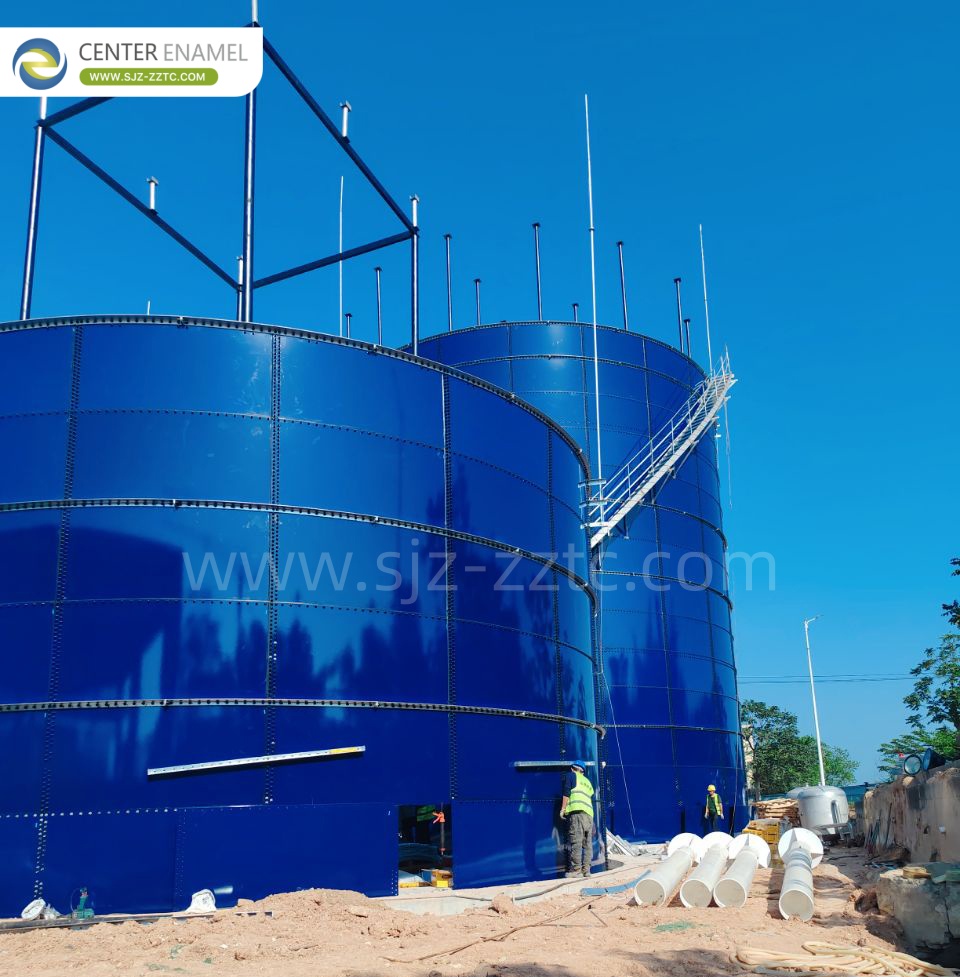
Global urbanization, industrial expansion and intensive agriculture generate billions of tons of wastewater every single day, categorized into three core classifications based on generation sources: domestic (sanitary), industrial and agricultural wastewater. Improper random drainage without standardized treatment causes irreversible ecological destruction, water resource depletion and public health risks worldwide.
This article first defines and elaborates the three primary wastewater types, analyzes widespread environmental damages triggered by untreated effluent, introduces the industry-leading full-cycle anaerobic recycling treatment solution, explains four mature anaerobic digestion technologies compatible with organic wastewater, highlights multi-dimensional superiorities of corrosion-resistant GFS Tanks, and wraps up with Center Enamel’s decades of global turnkey EPC experience in wastewater-to-biogas engineering projects.
Detailed Introduction to Three Core Types of Wastewater
Classified by generation origin and pollutant composition, wastewater is split into domestic wastewater, industrial wastewater and agricultural wastewater, each with unique pollutant features and treatment difficulties:
1.1 Domestic (Sanitary) Wastewater
Originates from residential communities, hotels, restaurants, schools and public facilities, mainly including shower drainage, laundry water, kitchen waste water and toilet sewage. It contains high concentrations of organic matter, nitrogen, phosphorus, soap residues and pathogenic microorganisms, with moderate COD and BOD values. Greywater (bath/laundry drainage) and blackwater (toilet/kitchen waste) jointly compose domestic sewage; around 99.9% of domestic wastewater is water, while the remaining tiny fraction of contaminants creates huge disposal challenges for municipal environmental management.
1.2 Industrial Wastewater
Produced during manufacturing processes across food processing, slaughtering, textile printing, chemical, pharmaceutical, papermaking and electroplating factories. Its pollutant composition varies drastically by industry type: food/slaughterhouse wastewater features abundant protein, fat and soluble organics with ultra-high COD; chemical and electroplating wastewater carries heavy metals, toxic refractory organics, strong acid or alkaline substances, posing long-term toxic pollution risks to aquatic ecosystems. Most industrial effluent has concentrated pollutants and requires customized targeted treatment solutions.
1.3 Agricultural Wastewater
Mainly covers livestock breeding wastewater, farmland irrigation tailwater and aquaculture drainage. Livestock manure leachate dominates this category, rich in nitrogen, phosphorus, feed residues, animal excreta and residual veterinary antibiotics; fertilizer and pesticide leftovers flow into surface water alongside farm runoff during rainfall seasons. It is the primary trigger of widespread river and lake eutrophication across rural agricultural regions globally.
Severe Environmental Hazards from Improper Wastewater Discharge
Untreated random discharge of all three wastewater types brings multi-layer ecological and public health damages:
2.1 Aquatic Ecosystem Destruction & Water Eutrophication
Excess nitrogen and phosphorus from domestic and agricultural wastewater accelerate explosive algal bloom in rivers, lakes and coastal waters. Dead algae decomposition depletes dissolved oxygen in water bodies, leading to massive fish suffocation and collapse of original aquatic food chains. Toxic heavy metals and chemical additives from industrial wastewater accumulate in aquatic organisms, causing biological poisoning and species extinction.
2.2 Underground Water & Farmland Soil Contamination
Rainfall infiltration pushes soluble pollutants deep into underground aquifers, contaminating rural drinking water sources; long-term raw wastewater irrigation leads to soil salinization, heavy metal accumulation and pathogen buildup, reducing farmland fertility and triggering food safety risks for crops and agricultural products.
2.3 Air Pollution & Greenhouse Gas Emission
Organic pollutants in open-stored wastewater naturally decompose anaerobically and release pungent ammonia, hydrogen sulfide and methane. Methane is a potent greenhouse gas with high carbon footprint, accelerating global climate change; malodorous volatile substances also degrade nearby residential living environment and trigger frequent respiratory illnesses among local residents.
2.4 Rising Public Health Risks
Pathogens, viruses and parasite eggs in untreated domestic and breeding wastewater pollute drinking water and edible crops, causing frequent outbreaks of water-borne infectious diseases across underdeveloped rural areas without complete sewage collection networks.
Optimal Full-cycle Wastewater Treatment Solution
Compared with high-cost single aerobic oxidation, chemical precipitation and open lagoon storage with obvious defects, the combined three-stage anaerobic recycling solution supported by sealed GFS Tanks becomes the most economical and eco-friendly optimal treatment route for all three wastewater categories, realizing pollution elimination plus resource recovery of clean biogas and organic fertilizer:
Stage 1: Multistage Pretreatment
Grids, rotary screens and solid-liquid separators remove large suspended solids, fiber, grease and bulk impurities first; oil separation and flotation devices eliminate floating grease from slaughter/food industrial wastewater, lowering subsequent tank blocking risks and reducing organic load for downstream anaerobic fermentation. Separated solid residues can be mixed into anaerobic feedstock.
Stage 2: Core Anaerobic Digestion inside Airtight GFS Tanks
Pre-treated wastewater is pumped into anti-corrosion enclosed GFS Tanks to finish four-phase oxygen-free degradation: hydrolysis → acidification → acetogenesis → methanation. Organic pollutants get decomposed into methane-rich crude biogas (55%~70% methane content); COD removal rate hits 70%~85%, sharply cutting post-aerobic energy consumption. Purified biogas after desulfurization and dehydration can be used for factory power generation, boiler heating and domestic fuel supply; fermented digestate is dewatered into premium organic fertilizer for crop planting.
Stage 3: Post-aerobic Advanced Polishing
Anaerobic outlet wastewater flows into aerobic tanks for further nitrogen and phosphorus removal; after sedimentation and disinfection filtration, final treated effluent meets local emission standards and can be recycled for workshop cleaning and farmland irrigation to realize partial zero liquid discharge.
Four Mature Anaerobic Technologies Matched for Diversified Wastewater Features
Center Enamel develops four differentiated anaerobic processes fully compatible with modular GFS Tanks, flexibly selected based on wastewater type, pollutant concentration and project scale for domestic, industrial and agricultural wastewater treatment respectively:
CSTR (Continuously Stirred Tank Reactor): Equipped with built-in mechanical stirring inside matched GFS Tanks, fully mixes high-solid breeding and slaughterhouse wastewater to avoid tank crust and sediment stratification; strong anti-shock load capacity, ideal for large centralized industrial and intensive livestock farm wastewater biogas projects.
UASB (Upflow Anaerobic Sludge Blanket): Depends on high-activity granular sludge bed to degrade dissolved organic pollutants with low power consumption, mature stable operation; perfect for medium-sized food factory and domestic municipal liquid wastewater after complete solid-liquid pretreatment.
USR (Upflow Solid Reactor): Compact layout, low construction cost and excellent anti-clogging performance without internal stirring equipment, directly treats high-solid agricultural breeding wastewater without complicated pre-processing; the top pick for scattered small rural household and mini factory wastewater stations.
IC (Internal Circulation Reactor): High-efficiency advanced anaerobic equipment with processing capacity 3~5 times higher than conventional reactors, small land occupation; customized for super-large cross-regional industrial park centralized wastewater disposal hubs with ultra-high organic load effluent.
Outstanding Advantages of GFS Tanks as Core Anaerobic Vessel
GFS Tanks serve as core fermentation and digestate storage facility for all three wastewater treatment projects, outperforming traditional concrete and ordinary carbon steel tanks comprehensively:
- Superior All-round Anti-corrosion Property: Glass enamel is high-temperature fused onto steel plates to form inert seamless coating, resisting erosion from acid, alkali, hydrogen sulfide, grease and organic acid inside anaerobic tanks, adapting tropical high-humidity, coastal salt-spray and cold continental climate with over 30-year design service life.
- Excellent Air Tightness: Special sealing strips for bolted connections fully lock methane inside tanks, eliminating fugitive odor and greenhouse gas escape to maximize biogas recovery efficiency and meet strict global environmental emission regulations.
- Modular Bolted Installation: Standard enamel steel panel bolt assembly without field welding, fast construction progress; tank volume can be freely expanded or split according to factory production capacity upgrade, greatly saving later reconstruction investment cost.
- Smooth Inner Enamel Wall: Effectively reduces sludge, grease and organic scaling adhesion on tank inner surface, lowering regular tank cleaning frequency and long-term project maintenance expenditure.
- Global Authoritative Certification: All Center Enamel-manufactured GFS Tanks pass ISO and AWWA international quality certification, fully compliant with worldwide agricultural, industrial and environmental construction regulatory standards. Supporting auxiliary devices including double membrane gas holder, dehydration desulfurization tank and biogas safety torch form a complete closed biogas recycling system alongside core GFS Tanks.
Center Enamel’s Rich Global EPC Experience in Wastewater Biogas Projects
As a leading global full-turnkey EPC contractor focusing on three-type wastewater anaerobic treatment and biogas recycling for over 30 years, Center Enamel accumulates abundant cross-continental project experience covering Southeast Asia, Middle East, Europe and North America:
- Full One-stop Turnkey EPC Service: Integrates customized project design, in-house GFS Tanks production, international container shipment, on-site installation, system commissioning, local operator professional training and long-term global after-sales maintenance.
- Localized Technical Parameter Optimization: Adjust CSTR/UASB/USR/IC process parameters according to regional climate, local wastewater pollutant composition and national environmental laws to maximize unit biogas yield and investor project profit margin.
- Verified Global Classic Projects: Completed 2021 Singapore CSTR domestic & food industrial wastewater biogas plant (total tank volume 3,458 m³), 2024 Canada agricultural breeding wastewater project and Sweden oversized industrial wastewater biogas facility with 5,510 m³ total tank capacity; dozens of stable-operating wastewater biogas projects finished in Thailand, Malaysia, Indonesia and Turkey covering all three wastewater categories.
- Standardized Professional Tank Installation: Adopts hydraulic jacking top-down construction method to remove high-altitude scaffold risks on narrow construction sites; all finished tanks pass strict air tightness, pressure and anti-corrosion multi-index testing before project handover.
The three major wastewater types (domestic, industrial, agricultural) bring widespread environmental contamination risks without proper management, making anaerobic digestion recycling treatment with durable GFS Tanks the most sustainable development trend for global sewage governance.
With four flexible optional mature anaerobic technologies and high-performance anti-corrosion GFS equipment, Center Enamel’s tailor-made EPC solutions can perfectly adapt different pollutant characteristics of three wastewater categories and diverse regional climatic conditions worldwide. These standardized treatment projects effectively eliminate multi-source wastewater pollution, turn waste into valuable clean biogas energy and high-grade organic fertilizer, cut enterprises’ fossil fuel purchase and waste disposal expenditure, and steadily promote global circular agriculture and industrial low-carbon sustainable development.