
What Are the Uses of Rice Straw? From Agricultural Residue to Biogas Energy Resource
Rice straw is one of the most abundant agricultural by-products in the world, particularly across Asia where rice cultivation dominates the agricultural landscape. For generations, farmers have found practical uses for this versatile material, but modern challenges like air pollution from open burning have driven innovation toward more sustainable applications. Among these, converting rice straw into biogas through anaerobic digestion stands out as a transformative solution that addresses both waste management and renewable energy needs.
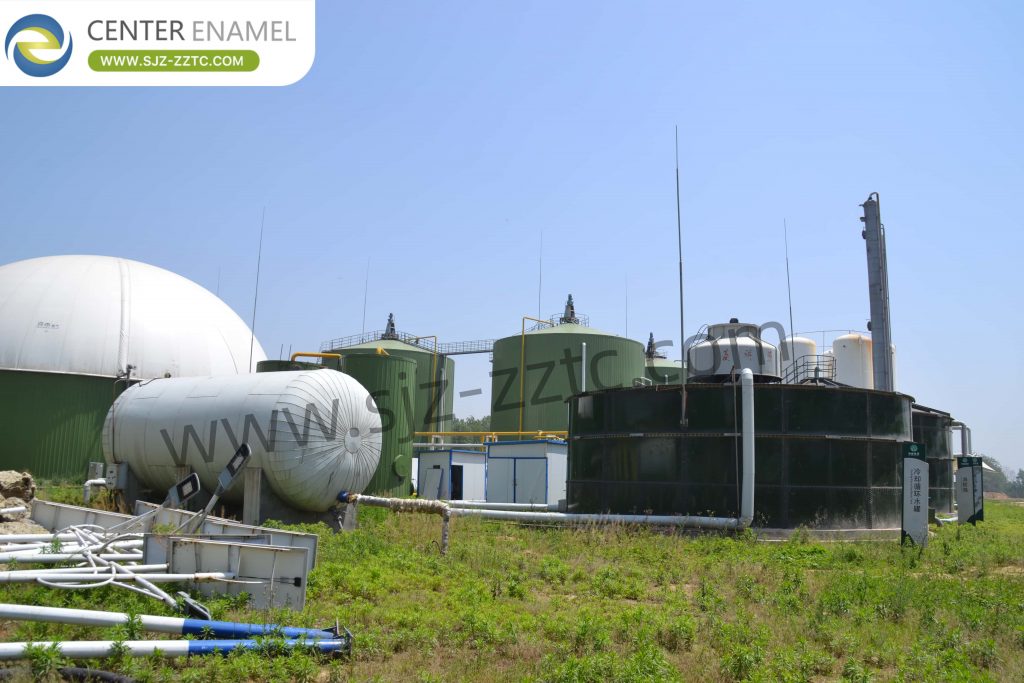
Traditional Uses of Rice Straw Across Agriculture and Industry
Rice straw has served farming communities for centuries, with its applications extending far beyond simple disposal. In many rural areas, straw functions as animal bedding and fodder, providing a soft resting surface for livestock while being partially consumed as roughage. Farmers have long incorporated straw back into fields as organic soil amendment, believing it returns nutrients and improves soil structure. Beyond the farm, rice straw finds use in mushroom cultivation, where it serves as a growing substrate, and in the production of handmade paper, cardboard, and composite boards.
In construction and manufacturing, rice straw contributes to acoustic materials, packaging, and even cement bricks. These traditional applications remain valuable, particularly in regions where industrial infrastructure is limited. However, the historical balance between straw supply and demand has shifted dramatically. Reduced livestock integration and the transition to modern energy sources have left farmers with surplus straw and fewer practical outlets.
The Challenge of Surplus Straw and Open Field Burning
The gap between straw generation and traditional utilization has created a persistent environmental problem. Short harvest-to-planting windows-often under thirty days-leave farmers with limited time and labor to manage residues properly. Mechanical harvesting, while boosting productivity, leaves behind greater quantities of straw than traditional methods. Faced with expensive machinery, inadequate storage, and underdeveloped markets for straw-based products, many farmers resort to open field burning as the fastest and most economical solution.
This practice carries severe consequences. Burning releases particulate matter and greenhouse gases, contributing to regional air pollution and public health threats. It also represents a significant waste of a resource with substantial energy potential. Socio-cultural factors reinforce the status quo: burning is embedded in local knowledge systems, perceived as beneficial for pest control, and socially normalized through peer practices. Breaking this cycle requires alternatives that are technically viable, economically attractive, and compatible with existing farming rhythms.
Rice Straw as Feedstock for Biogas Production
Anaerobic digestion offers a compelling pathway for transforming rice straw from a burning nuisance into a valuable energy feedstock. The process relies on microorganisms that decompose organic matter in oxygen-free conditions, producing biogas-primarily methane and carbon dioxide-along with nutrient-rich digestate. Rice straw possesses the lignocellulosic characteristics necessary for this biological conversion, making it a suitable substrate when properly processed.
Research has consistently demonstrated the technical feasibility of rice straw digestion. Studies report methane yields ranging from 234 to 266 mL per gram of volatile solids, with biodegradability rates of 60 to 68 percent. Different digestion temperatures influence output: mesophilic conditions produce approximately 236.8 liters of biogas per kilogram of volatile solids, while thermophilic conditions achieve 275.8 liters. These figures confirm that rice straw can serve as a reliable feedstock for biogas systems when appropriate pretreatment and operational parameters are applied.
Enhancing Biogas Yield Through Pretreatment and Co-Digestion
Raw rice straw presents certain challenges for anaerobic digestion, primarily due to its rigid lignocellulosic structure and high silica content. Pretreatment methods help overcome these barriers by breaking down fibrous material and increasing accessibility for microbial action. Diluted acetic acid pretreatment at two percent concentration for twenty-four hours has been shown to increase biomethane production by 24.3 percent compared to untreated straw, achieving an energy yield of 6.29 megajoules per kilogram of dry straw. Thermochemical pretreatment with sodium hydroxide similarly boosts methane production by 13 to 15 percent.
Co-digestion represents another powerful strategy. Mixing rice straw with nitrogen-rich substrates like sewage sludge, cattle slurry, or swine slurry balances the carbon-to-nitrogen ratio and supplies essential nutrients for microbial communities. Co-digestion of pretreated rice straw with swine slurry has been found to increase methane production by up to 59 percent compared to slurry alone. Optimal carbon-to-nitrogen ratios around 30, combined with organic loading rates near 3.5 grams of volatile solids per liter per day, have been identified as conditions that maximize methane generation.
Environmental and Economic Benefits of Rice Straw Biogas Systems
Converting rice straw to biogas delivers environmental benefits that extend far beyond renewable energy generation. Each ton of straw diverted from open burning prevents the release of harmful particulates and greenhouse gases. The biogas produced displaces fossil fuels, reducing carbon emissions from electricity and heat generation. Digestate, the nutrient-rich by-product of anaerobic digestion, returns to farmland as organic fertilizer, closing nutrient loops and reducing dependence on synthetic inputs.
The economic case for straw-based biogas is increasingly compelling. Techno-economic assessments of biogas power plants utilizing rice straw co-digestion indicate annual revenues exceeding two million euros with net profits around 1.5 million euros, yielding payback periods under three years. Beyond energy sales, additional revenue streams may include carbon credits, tipping fees for waste reception, and fertilizer sales. For agricultural regions seeking rural development opportunities, straw-based biogas plants create local employment and energy independence.
Understanding the Key Challenges and Their Solutions
| Challenge | Impact on Biogas Production | Suggested Solution |
| Low energy content | Reduced biogas yield per unit feedstock | Pretreatment via torrefaction or pelletization |
| Low nitrogen content | Inhibits microbial growth, lowers biogas output | Co-digestion with nitrogen-rich substrates |
| High ash content | Equipment blockage and corrosion | Washing with acid solution or hot water |
| Seasonal availability | Irregular feedstock supply | Briquette or pellet formation for year-round storage |
| High moisture content | Increased drying costs, storage difficulty | Sun drying or mechanical drying |
| High silica content | Reactor abrasion, reduced loading rates | Mechanical pretreatment to reduce particle size |
Addressing these challenges through integrated approaches-combining pretreatment, co-digestion, and proper storage logistics-transforms rice straw from a problematic residue into a dependable energy resource.
The Future of Rice Straw Utilization
The trajectory of rice straw utilization is shifting decisively from disposal-oriented practices toward value-generating applications. Biogas production represents a mature and commercially viable pathway that simultaneously solves air pollution, generates renewable energy, and supports circular agricultural systems. As carbon markets mature and renewable energy incentives expand, the economic attractiveness of straw-based biogas will only strengthen.
For project developers and agricultural enterprises considering rice straw biogas initiatives, success depends on careful feedstock assessment, appropriate pretreatment selection, and optimized digestion parameters. Working with experienced engineering partners ensures that technical, logistical, and regulatory factors are addressed comprehensively-turning an abundant agricultural residue into a foundation for sustainable energy and environmental improvement.
Looking for a reliable partner for your biogas project? Contact Center Enamel today for expert guidance and a customized solution tailored to your feedstock and energy requirements.
FAQ
How much biogas can be produced from one ton of rice straw?
Biogas yield typically ranges from 236 to 275 liters per kilogram of volatile solids, depending on digestion temperature and pretreatment. One ton of dry rice straw can generate roughly 230,000 to 280,000 liters of biogas.
Is rice straw difficult to digest compared to other feedstocks?
Rice straw has a rigid lignocellulosic structure that requires pretreatment for optimal digestion. However, with appropriate methods like acetic acid or sodium hydroxide pretreatment, it achieves comparable methane yields to many other agricultural residues.
What is the typical payback period for a rice straw biogas plant?
Techno-economic analyses indicate payback periods of approximately three years for well-designed biogas plants utilizing rice straw co-digestion, with annual revenues exceeding two million euros and net profits around 1.5 million euros.