
What Are Wastewater Treatment Technologies?
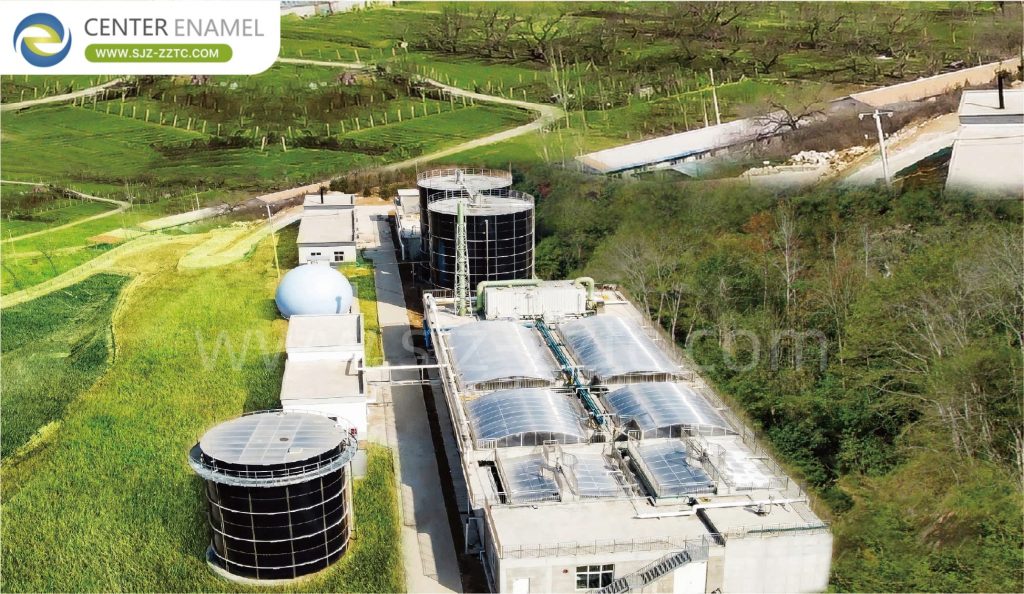
Wastewater treatment technologies refer to a series of scientific and engineering methods designed to remove pollutants from sewage, industrial wastewater, and agricultural wastewater. These technologies eliminate suspended solids, organic matter, nitrogen, phosphorus, pathogens and harmful chemicals, making treated water safe for discharge, irrigation, industrial reuse or natural recycling. With growing industrialization and stricter environmental regulations, wastewater treatment technologies have become essential infrastructure for cities, factories and livestock farms worldwide.
Main Categories of Wastewater Treatment Technologies
Wastewater treatment technologies are generally divided into four core types: physical treatment, chemical treatment, biological treatment, and advanced deep treatment. Each plays an irreplaceable role in the overall purification process.
1. Physical Treatment Technology
Physical methods separate pollutants through gravity, filtration and sedimentation without chemical reactions. Common facilities include bar screens, grit chambers and sedimentation tanks. It mainly removes large floating debris, sand, gravel and settleable suspended solids, serving as the first pretreatment stage of all sewage plants.
2. Chemical Treatment Technology
Chemical treatment uses coagulants, oxidation agents and disinfectants to dissolve or precipitate pollutants. It is widely used for removing phosphorus, disinfecting sewage and treating difficult industrial wastewater. This method achieves fast purification effect but requires strict chemical dosage control.
3. Biological Treatment Technology
Biological treatment is the most widely used and cost-effective technology. It relies on microorganisms to decompose organic pollutants into carbon dioxide, water and biomass. It is divided into aerobic treatment such as SBR, MBBR and activated sludge, and anaerobic treatment that converts waste into biogas energy. Biological technology is the core of modern municipal sewage, livestock wastewater and food industrial treatment projects.
4. Advanced Tertiary Treatment Technology
After conventional treatment, tertiary purification further removes nitrogen, phosphorus and trace pollutants through filtration, membrane separation and advanced oxidation. It enables reclaimed water to meet landscape irrigation, industrial circulating water and high-standard discharge requirements.
Three Standard Treatment Stages
Complete wastewater treatment usually follows three standard stages:
- Primary Treatment: Physical interception and sedimentation to remove large impurities.
- Secondary Treatment: Biological decomposition to degrade most organic pollutants.
- Tertiary Treatment: Advanced purification to realize water reuse and ecological discharge.
Center Enamel’s Strengths in Wastewater Treatment
Center Enamel is a globally trusted EPC contractor with rich experience in wastewater treatment and biogas projects. The company has long been committed to providing one-stop environmental solutions for over 100 countries across Asia, Europe, Africa and Oceania. With in-depth understanding of different regional climates, water quality characteristics and environmental policies, Center Enamel customizes the most suitable process design for each project.
Four Advanced Anaerobic Technologies
Center Enamel independently develops and optimizes four mature anaerobic technologies, perfectly adapting to livestock manure, palm oil wastewater, food processing sewage and municipal sludge:
- CSTR: Suitable for high-solid organic waste with full stirring to ensure stable biogas production.
- UASB: Classic low-cost process for medium and low-concentration wastewater.
- USR: Simple structure, ideal for small rural and scattered farm projects.
- IC: High-rate anaerobic technology with 3–5 times higher load, saving land for large-scale industrial projects.
Advantages of GFS Tanks
GFS (Glass-Fused-to-Steel) Tanks are core infrastructure for wastewater and biogas projects developed by Center Enamel. They feature full pH 1–14 corrosion resistance, strong weather resistance and over 30 years of service life. Factory bolted assembly enables fast installation without on-site welding, adapting to tropical, coastal and high-humidity environments. Excellent airtightness ensures stable anaerobic digestion and safe biogas storage, greatly reducing long-term operation and maintenance costs.
Center Enamel Global Professional Services
Center Enamel provides full lifecycle services including project design, equipment manufacturing, installation, commissioning and after-sales maintenance. Relying on professional technical teams and abundant overseas construction experience, the company delivers reliable, efficient and cost-effective wastewater treatment and biogas project solutions for global clients.
Wastewater treatment technologies cover physical, chemical, biological and advanced treatment categories, forming a complete purification system from pretreatment to tertiary reuse. As a leading global EPC provider, Center Enamel stands out with rich industry experience, four optimized anaerobic technologies and self-developed high-performance GFS Tanks. It continues to deliver professional, customized and sustainable wastewater and biogas services worldwide, supporting global ecological protection and water resource recycling development.