
What Can Chicken Waste Be Used For: From Fertilizer to Biogas and Beyond
Chicken waste is not simply a disposal problem—it is a resource waiting to be tapped. Every year, the global poultry industry generates millions of tons of manure, litter, and processing byproducts. For decades, the default solution was landfilling or spreading raw manure on fields, both of which carry environmental risks including groundwater contamination, ammonia emissions, and greenhouse gas release. But a growing body of research and practical innovation is revealing that chicken waste can be converted into a remarkable range of valuable products: organic fertilizer, renewable energy, animal feed ingredients, and even industrial materials.
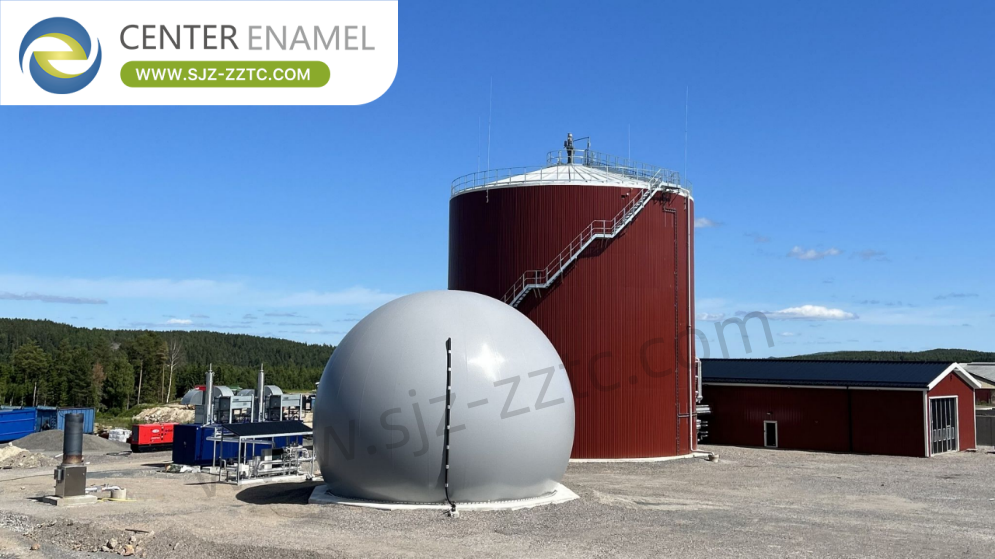
The key to unlocking this value lies in choosing the right processing method for the right waste stream. This article explores the most important uses of chicken waste, with particular focus on anaerobic digestion—the technology that converts poultry manure into biogas, a versatile renewable energy source. Whether you are a poultry farmer looking to reduce disposal costs, an agronomist seeking sustainable fertilizer sources, or simply curious about circular economy solutions, understanding what chicken waste can become is the first step toward smarter resource management.
Chicken Manure as a Nutrient-Rich Organic Fertilizer
The most traditional and still most widespread use of chicken waste is as a fertilizer. Chicken manure is exceptionally rich in essential plant nutrients. It contains nitrogen, phosphorus, and potassium—the three primary macronutrients—along with calcium, magnesium, sulfur, and micronutrients including zinc, boron, copper, and molybdenum. In fact, chicken manure has roughly twice the nitrogen content of steer manure, making it one of the most potent organic fertilizers available.
However, raw chicken manure cannot be applied directly to growing plants. Its high nitrogen concentration can burn roots, and it may contain pathogens such as salmonella that pose risks to both plants and human health. Fresh manure also emits unpleasant odors and can attract pests.
The solution is composting. Through controlled aerobic decomposition, raw manure is transformed into a stable, pathogen-free organic amendment that improves soil structure, feeds beneficial microorganisms, and releases nutrients slowly over time. Composting requires the right balance of carbon and nitrogen—typically about 20 parts carbon to 1 part nitrogen—and this balance is naturally achieved when chicken droppings are mixed with carbon-rich bedding materials like wood shavings or straw. The birds themselves help by constantly scratching and mixing the bedding.
Research from the LSU AgCenter has demonstrated the tangible benefits of composted chicken litter. In side-by-side field trials comparing chicken litter with synthetic fertilizers, plots treated with litter showed a 5% yield increase, and the number of soybean pods per plant rose by 9%. Beyond immediate yield gains, the organic matter in composted litter improves soil physical properties, water retention, and long-term fertility—benefits that synthetic fertilizers simply cannot replicate.
For farmers, composting chicken waste transforms a costly disposal liability into a valuable on-farm input, reducing dependence on purchased fertilizers while building healthier soil.
Converting Chicken Litter into Biogas Through Anaerobic Digestion
While composting captures the nutrient value of chicken waste, anaerobic digestion unlocks its energy potential. This biological process breaks down organic matter in the absence of oxygen, producing biogas—a mixture of methane and carbon dioxide—along with a nutrient-rich digestate that can be used as fertilizer.
Chicken manure is well-suited for anaerobic digestion because of its high content of total solids and volatile solids, along with highly biodegradable organic material. The total solids content typically ranges from 10% to 30%, and volatile solids account for roughly 80% of those solids. This means a large fraction of the manure's mass can be converted into biogas.
The process yields impressive results in practice. The Minhe Chicken Manure Biogas Plant in Shandong Province, China, treats approximately 300 tonnes of raw chicken manure per day. It operates eight continuous stirred tank reactors, each with a working volume of 3,000 cubic meters, running in a two-stage anaerobic digestion configuration. The plant produces an average of 30,000 cubic meters of biogas daily, generating 60,000 kilowatt-hours of electricity—enough to power the operation and export surplus to the grid.
At smaller scales, anaerobic digestion remains viable. Research on layer excreta has shown that biogas production can be achieved with hydraulic retention times as short as 33 days, with daily biogas yields varying based on dilution rates. A study on a small poultry farm demonstrated that coupling anaerobic digestion with photovoltaic solar panels allowed the farm to meet its own electricity needs, solving both waste management and energy cost challenges simultaneously.
The biogas produced through anaerobic digestion is typically composed of 50–70% methane, giving it substantial energy value. It can be used directly for heating, converted to electricity in a combined heat and power unit, or upgraded to biomethane for injection into natural gas networks or use as vehicle fuel. For poultry operations facing high energy costs for ventilation, heating, and lighting, biogas offers a path toward energy independence.
Enhancing Biogas Production: Co-Digestion and Pretreatment Strategies
While chicken manure is a viable substrate for anaerobic digestion on its own, its high ammonia content and low carbon-to-nitrogen ratio—typically between 6:1 and 12:1—can inhibit the microbial communities responsible for biogas production. This is where co-digestion and pretreatment come into play.
Co-digestion involves mixing chicken manure with other organic feedstocks that balance its nutrient profile. Straw is an excellent partner because it is high in carbon and low in nitrogen, complementing the nitrogen-rich manure. Research from the STEP project in Germany demonstrated that pretreating straw with sodium hydroxide and forming it into pellets allowed it to be successfully used in a large-scale biogas plant alongside poultry manure, achieving gas yields comparable to maize-based biogas plants.
Other co-substrates have shown similar benefits. A study on co-digestion of poultry litter with swine wastewater found that methane production reached 286 NL per kilogram of volatile solids when poultry litter comprised 10–20% of the substrate mix. Enriching the microbial inoculum further boosted methane production by 34%. Co-digestion with maize silage or corn stover has also been shown to increase methane yields by 19–24% compared to treated chicken manure alone.
Pretreatment of chicken manure itself offers another avenue for improvement. Water extraction of raw manure can elevate the carbon-to-nitrogen ratio from around 7.5 to nearly 20, making it more suitable for biogas fermentation. This pretreatment increased biogas production by 16–45% and methane production by 18–39% compared to untreated manure. Enzyme treatment and trace element supplementation have also proven effective, with one study reporting specific biogas yields of 835.2 L/kg volatile solids from enzyme-treated chicken litter.
These strategies—co-digestion and pretreatment—are not merely laboratory curiosities. They are being deployed at commercial scale to overcome the inherent limitations of chicken manure as a biogas feedstock, making anaerobic digestion more efficient and economically attractive for poultry operations of all sizes.
Chicken Litter for Soil Health and Crop Production
Beyond composting, chicken litter itself—the mixture of manure, bedding, feathers, and spilled feed—has direct agricultural applications that are being scientifically validated. LSU AgCenter soil scientist Leandro Vieira has been studying how chicken litter affects not just nutrient supply but overall soil health.
The litter contains a complete suite of plant nutrients, including primary macronutrients nitrogen, phosphorus, and potassium, secondary nutrients calcium, magnesium, and sulfur, and micronutrients zinc, boron, copper, and molybdenum. But Vieira emphasizes that the benefits extend beyond simple nutrient replacement. The organic matter in chicken litter improves the chemical, physical, and biological properties of soil simultaneously—enhancing fertility, improving structure and water-holding capacity, and providing food for soil microorganisms that mineralize additional nutrients.
This holistic effect is particularly valuable on degraded soils. Vieira notes that sandy soils, silt loams, and areas that have been laser-leveled (a process that strips topsoil and organic matter) can benefit significantly from the organic matter and nutrient profile of chicken litter. While the immediate yield gains may be modest—around 5% in his trials—the long-term improvements in soil productivity can be substantial.
For producers, however, Vieira cautions that not all chicken litter is identical. Nutrient content varies based on factors including the number of birds in the house, their feed formulation, and the type of bedding material used. Testing litter before application is recommended, though this may not be practical for all farmers. Despite this variability, chicken litter remains a locally available, cost-effective fertilizer source that reduces reliance on increasingly expensive synthetic fertilizers.
Recycling Feathers and Other Poultry Byproducts
Chicken waste is not limited to manure and litter. Feathers, which account for roughly 5–10% of a bird's body weight, represent a significant waste stream from poultry processing. Feathers are composed primarily of keratin, a tough, fibrous protein that is resistant to natural degradation. This same durability, however, makes feathers a valuable source material for various applications.
In agriculture, feather waste can be converted into biofertilizers through fermentation. Research has explored using keratinase-producing microorganisms to break down feathers into nutrient-rich organic fertilizers similar to bokashi. The resulting product offers a low-cost solution for waste management while enhancing soil fertility. Pyrolysis—heating in the absence of oxygen—can also transform feathers into biochar, a stable carbon-rich soil amendment.
Historically, poultry feces themselves have been recognized as a source of recoverable nutrients and undigested food. A 1976 patent describes a process for recovering undigested food from poultry feces, noting that as much as 80% of the dry weight of poultry feces is composed of undigested food material. This material can be processed and refed to poultry, with recovered food comprising 10–20% of the final feed blend. While this approach has not been widely adopted in modern industrial systems, it illustrates the principle that poultry waste contains substantial recoverable value.
The Digestate: A Valuable Co-Product of Biogas Production
One of the most important advantages of anaerobic digestion as a chicken waste recycling strategy is that it produces not just energy but also a nutrient-rich digestate. This material—the residual slurry remaining after biogas extraction—retains the majority of the nitrogen, phosphorus, and potassium originally present in the manure, but in a more stable, plant-available form.
The digestate from chicken manure biogas plants serves as an excellent biofertilizer. Unlike raw manure, it has undergone microbial decomposition that reduces odors, stabilizes nutrients, and reduces pathogen loads. It can be applied to fields as a liquid fertilizer or separated into solid and liquid fractions, each with different application methods and nutrient profiles. The Minhe biogas plant in China produces biofertilizer from its digestate, minimizing the need for fossil fuel-based fertilizers.
This co-product is particularly valuable in regions where synthetic fertilizer prices have risen sharply. Digestate offers a locally produced, renewable nutrient source that closes the loop between poultry production and crop agriculture. The combination of biogas energy and nutrient recovery makes anaerobic digestion one of the most complete recycling solutions for chicken waste.
Frequently Asked Questions
Can chicken manure be used directly as fertilizer?
Raw chicken manure should not be applied directly to growing plants. Its high nitrogen content can burn roots, and it may contain pathogens harmful to both plants and humans. It should be composted or otherwise treated before use to stabilize nutrients and eliminate pathogens. Once composted, chicken manure becomes an excellent organic fertilizer rich in nitrogen, phosphorus, potassium, and micronutrients.
How much biogas can be produced from chicken manure?
Biogas production varies based on manure characteristics, digester design, and operating conditions. The Minhe biogas plant in China produces approximately 100 cubic meters of biogas per tonne of raw chicken manure, generating 60,000 kWh of electricity daily from 300 tonnes of manure. At smaller scales, layer excreta has been shown to produce biogas with hydraulic retention times of 33–43 days, with daily yields depending on dilution and loading rates.
What are the main challenges of using chicken manure for biogas production?
The primary challenge is the high ammonia content and low carbon-to-nitrogen ratio of chicken manure, which can inhibit the microbial communities essential for anaerobic digestion. Ammonia toxicity and volatile fatty acid accumulation can reduce biogas yields. These challenges are addressed through co-digestion with carbon-rich materials like straw or maize silage, pretreatment methods such as water extraction, and supplementation with trace elements or enzymes.